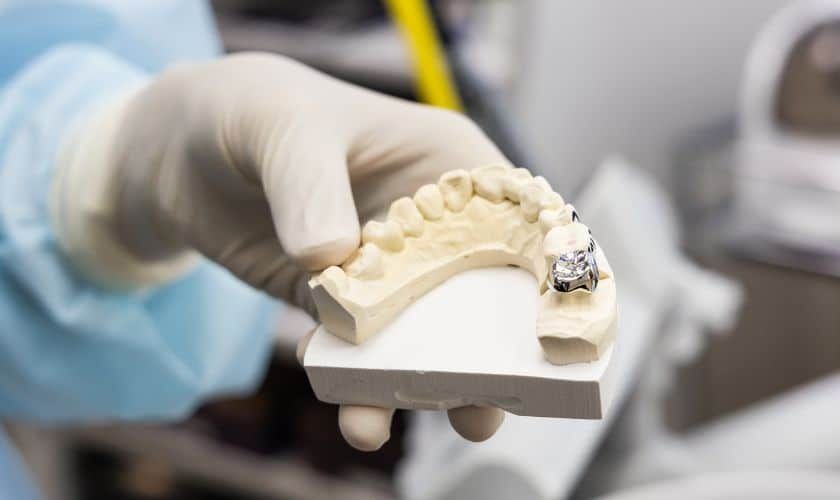
Are you struggling with dental cement that seems to have bonded itself to your crown? Don’t worry, you’re not alone! Many people face the challenge of removing dental cement from their crowns. Whether it’s because you want to replace your old crown or simply need a clean slate for better oral hygiene, we’ve got you covered. In this blog post, we will explore various home remedies and professional methods for safely and effectively removing dental cement from your crown. So grab a seat, put on your reading glasses, and let’s get started on reclaiming that perfect smile!
Understanding Dental Cement
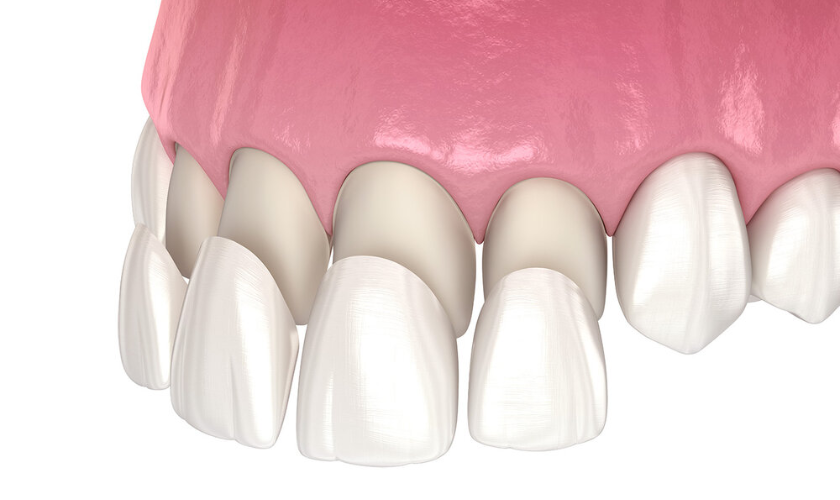
Dental cement is a crucial component in the field of dentistry. It is a type of adhesive material that is used to bond dental restorations, such as crowns, bridges, and veneers, to your natural teeth. The main purpose of dental cement is to provide stability and durability to these restorations.
There are different types of dental cement available, including resin-based cement and glass ionomer cement. Each type has its unique properties and uses. Resin-based cements are commonly used for bonding ceramic or porcelain restorations due to their excellent strength and aesthetics. Glass ionomer cements, on the other hand, are often used for temporary restorations because they release fluoride ions that help protect against tooth decay.
Dental cement works by creating a strong chemical bond between the restoration and your tooth structure. It fills any gaps or spaces between them, ensuring a secure fit. This helps prevent bacteria from entering those areas and causing potential damage or decay.
It’s important to note that dental cement should only be applied by trained professionals like dentists or dental assistants who have the necessary knowledge and expertise to handle these materials safely.
Now that we have a basic understanding of what dental cement is, let’s move on to explore why you may need to remove it from your crown in certain situations.
Reasons for Removing Dental Cement from Crown
The crown is an essential part of dental restoration, providing durability and protection to a damaged tooth. Dental cement is used to bond the crown to the tooth structure. While this adhesive material ensures a strong connection, there are instances where it becomes necessary to remove the dental cement from the crown.
One common reason for removing dental cement is when the crown needs replacement or repair. Over time, wear and tear can cause damage to both the crown and underlying tooth structure. Removing old cement allows for proper examination of any underlying issues and ensures a secure fit for the new crown.
Another reason for removal may be if excess cement was used during initial placement. Left-over excess cement can lead to gum irritation, inflammation, or even infection if not addressed promptly.
In some cases, individuals may experience discomfort due to poorly fitting crowns caused by improper bite alignment or shifting teeth. In such situations, removing the dental cement enables adjustments that improve overall comfort and functionality.
Home Remedies for Removing Dental Cement
If you’ve recently had a dental crown placed, you may find that there is some residual dental cement left behind after the procedure. While it’s best to have this removed by a professional, there are a few home remedies that can help in the meantime.
One common method is to use dental floss or an interdental brush to gently remove any visible cement around the edges of the crown. Be sure to be gentle and avoid applying too much pressure as this can damage the crown or surrounding teeth.
Another option is to use warm salt water rinses multiple times a day. This can help loosen and dissolve any excess cement over time. Simply mix half a teaspoon of salt into eight ounces of warm water and swish it around your mouth for about 30 seconds before spitting it out.
You might also consider using an over-the-counter denture adhesive remover. These products are specifically designed to break down adhesives, including dental cement. Follow the instructions on the packaging carefully and apply only as directed.
Remember, these home remedies should only be used temporarily until you’re able to visit your dentist for professional removal of the dental cement. It’s important not to delay seeking proper treatment from your dentist, as they will have specialized tools and techniques for safe removal without causing harm to your crown or natural teeth.
In addition, always consult with your dentist before attempting any home remedies on your own. They will be able to provide personalized advice based on your specific situation and ensure that no further damage occurs during the removal process.
By taking these precautions and using temporary measures at home, you can alleviate discomfort caused by excess dental cement while waiting for professional assistance from your dentist.
Professional Removal of Dental Cement
When it comes to removing dental cement from a crown, seeking professional help is often the best option. Dentists have the necessary tools and expertise to safely and effectively remove the cement without causing any damage to your teeth or crown.
During a professional removal procedure, your dentist will carefully assess the condition of your crown and determine the most appropriate method for removing the dental cement. This may involve using specialized instruments such as a dental drill, ultrasonic scaler, or air abrasion system.
The dentist will begin by numbing the area with local anesthesia to ensure you feel little to no discomfort during the procedure. They will then meticulously work on removing the excess cement around your crown while taking great care not to disturb its position or fit.
It’s worth mentioning that attempting DIY methods at home can be risky and may lead to complications. Professional removal ensures that all traces of dental cement are removed properly, reducing the risk of future issues such as decay or gum disease.
If you’re unsure about whether you need professional assistance for removing dental cement from your crown, consult with your dentist, who can guide you in making an informed decision based on their evaluation of your specific case.
Remember, when it comes to something as important as maintaining good oral health and preserving long-lasting results for your crowns – relying on professionals is always a wise choice!
Precautions to Take When Removing Dental Cement
When it comes to removing dental cement from a crown, there are some important precautions that you should keep in mind. First and foremost, it is crucial to handle the process with care to avoid any damage or discomfort.
One precaution is to ensure that you have the necessary tools for the job. This may include dental floss or a toothpick, which can be used to gently loosen and remove any excess cement around the edges of the crown. It is important not to force anything or use excessive pressure when doing this.
Another precaution is to take your time during the removal process. Rushing can lead to mistakes or accidents that could potentially harm your teeth or gums. So make sure you set aside enough time and create a calm environment where you can focus on carefully removing the dental cement.
Additionally, it’s recommended to have someone assist you during this procedure. They can offer guidance and support while ensuring that everything goes smoothly. Having an extra pair of hands will also help minimize any potential slips or mishaps.
After successfully removing the dental cement from your crown, it’s essential to practice good oral hygiene habits moving forward. Regular brushing and flossing are key in maintaining healthy teeth and preventing future issues with dental crowns.
By following these precautions, you can safely remove dental cement from your crown without causing any harm or complications. Remember, always prioritize your oral health and consult with a professional if needed!
Tips for Maintaining Your Crown After Removal of Dental Cement
Maintaining your crown after the removal of dental cement is crucial to ensure its longevity and proper functioning. Here are some essential tips to help you take care of your crown and keep it in tip-top shape.
1. Practice good oral hygiene: Brushing twice a day and flossing daily will help remove plaque and prevent any buildup around the crown area. Be sure to use a soft-bristled toothbrush and non-abrasive toothpaste to avoid damaging the crown.
2. Avoid sticky or hard foods: While crowns are designed to be durable, they can still be susceptible to damage from chewing on hard candies, ice, or sticky foods like caramel. It’s important to be mindful of what you eat and make conscious choices that won’t put unnecessary strain on your crown.
3. Regular dental check-ups: Schedule regular visits with your dentist for professional cleanings and examinations. This allows them to monitor the condition of your crown, identify any issues early on, and provide timely treatment if needed.
4. Wear a mouthguard: If you participate in sports activities or grind your teeth at night, wearing a custom-made mouthguard can protect both natural teeth and crowns from potential damage.
5. Avoid using teeth as tools: Opening packages or tearing off tags using your teeth puts excessive pressure on both natural teeth and crowns, increasing the risk of fractures or dislodgement.
Removing dental cement from a crown can be a daunting task, but with the right techniques and precautions, it is certainly possible. Whether you choose to try home remedies or seek professional help, taking care during the process is essential to prevent any damage to your crown or underlying teeth.
Home remedies such as using dental floss, toothpicks, or warm water can be effective in loosening the cement around your crown. However, it’s crucial to approach these methods with caution and never force anything that could cause harm.
If you’re unsure about removing dental cement on your own or if you encounter any difficulties during the process, it’s best to consult a dental professional. They have the expertise and tools necessary for safe removal without compromising the integrity of your crown.
Once the dental cement has been successfully removed from your crown, maintaining proper oral hygiene is key. Regular brushing and flossing will help keep bacteria at bay while ensuring that your newly cleaned crown stays in optimal condition for years to come.
Remember that prevention is always better than cure when it comes to maintaining oral health. Visit your dentist regularly for check-ups and cleanings so they can address any issues with dental cement early on before they become problematic.
By following these steps and taking necessary precautions along the way, you’ll be able to remove dental cement from your crown safely and effectively. With a little patience and care, you can enjoy a comfortable, fit, and healthy smile once again!