Pay Online
Are you tired of hiding your smile because of those pesky coffee stains on your teeth? Well, worry no more! In this blog post, we will explore the most effective ways to remove coffee stains and restore the brilliance of your pearly whites. So grab a cup of joe (just don’t spill it!) and get ready to discover how to say goodbye to those stubborn coffee stains for good. Because who needs stained teeth when you can have a dazzling smile that lights up any room? Get ready to sip and smile with confidence once again!
Understanding The Causes Of Coffee Stains On Teeth
Understanding the causes of coffee stains on teeth is essential for those who enjoy a daily cup of joe. Coffee contains natural compounds called tannins, which can easily adhere to tooth enamel and cause discoloration over time.
When you take a sip of your favorite brew, the tannins in coffee begin to penetrate the porous surface of your teeth. The pigments from these compounds then bind to the proteins in your enamel, leading to yellow or brownish staining.
The temperature of your coffee also plays a role in staining. Hot coffee opens up the pores in your teeth, allowing the tannins to seep deeper into the enamel. Additionally, drinking acidic coffees like espresso or black coffee can erode tooth enamel, making it more susceptible to staining.
Another factor that contributes to coffee stains is poor oral hygiene habits. If you neglect regular brushing and flossing after enjoying your morning pick-me-up, any residue left behind will have more time to settle and stain your teeth.
It’s worth noting that individual factors such as genetics and overall oral health can impact how quickly and severely coffee stains develop on teeth. However, by understanding these causes, you can take proactive steps towards preventing and treating them effectively.
The Effects Of Coffee Stains On Teeth And Overall Oral Health
Coffee stains on teeth not only affect the appearance of your smile but also have potential consequences for your overall oral health. These stubborn stains can penetrate the enamel and become deeply embedded, making them difficult to remove with regular brushing alone.
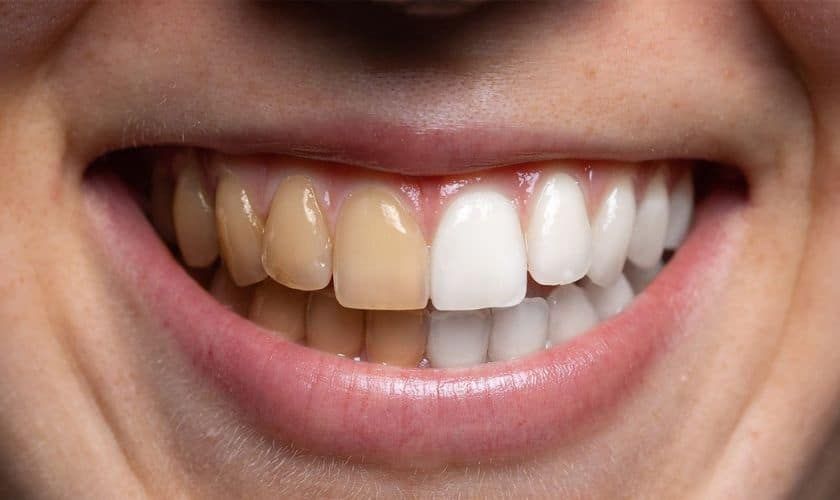
One of the main effects of coffee stains on teeth is discoloration. Over time, coffee can leave dark brown or yellowish marks on the surface of your teeth, giving them a dull and unattractive appearance. This can lead to self-consciousness and a lack of confidence when smiling or interacting with others.
In addition to cosmetic concerns, coffee stains can also contribute to tooth decay and cavities. The pigments in coffee adhere to the tooth enamel, creating an environment where bacteria thrive. This buildup of bacteria can weaken the enamel and increase the risk of developing dental problems such as cavities.
Furthermore, coffee contains acidic compounds that erode tooth enamel over time. This erosion makes teeth more susceptible to sensitivity, as well as increases the likelihood of developing cracks or chips in the enamel.
Oral health can be compromised by excessive consumption of coffee without proper dental care. Regular visits to your dentist are essential for maintaining good oral hygiene and addressing any staining or damage caused by coffee consumption.
It’s important to be proactive in addressing these effects by implementing at-home remedies such as oil pulling with coconut oil or using baking soda mixed with water as a natural whitening agent. Professional treatments like professional teeth whitening procedures provided by dentists should also be considered for stubborn stains.
Prevention is key when it comes to minimizing future coffee stains on teeth. Limiting your intake or using a straw while drinking caffeinated beverages reduces direct contact between coffee and tooth surfaces. Brushing immediately after consuming coffee helps prevent stains from setting in too deeply.
Remember that while enjoying a cup (or two) of joe is perfectly fine, taking steps towards preventing and removing those unsightly stains will go a long way in maintaining both the aesthetics and health of your smile.
At-home Remedies For Removing Coffee Stains From Teeth
At-home remedies for removing coffee stains from teeth are a popular and cost-effective way to brighten your smile. One method is oil pulling, which involves swishing coconut or sesame oil around in your mouth for 15-20 minutes each day. The oil helps to remove bacteria and plaque buildup that can contribute to staining.
Another common remedy is using baking soda as a natural toothpaste. Baking soda has mild abrasive properties that can gently scrub away surface stains on the teeth. Simply mix baking soda with water until it forms a paste-like consistency, then brush your teeth with it for a couple of minutes before rinsing thoroughly.
Hydrogen peroxide is another option for tackling coffee stains at home. It acts as a bleaching agent and can help lighten the appearance of stained teeth. You can use hydrogen peroxide by dipping a cotton swab into the liquid and applying it directly to the affected areas of your teeth.
Remember, while these at-home remedies can be effective, they should not replace regular dental cleanings or professional treatments if you have stubborn coffee stains. It’s always best to consult with your dentist before trying any new methods at home.
Incorporating these simple at-home remedies into your oral care routine may help reduce the appearance of coffee stains on your teeth over time. However, it’s important to remember that maintaining good oral hygiene practices and seeking professional dental care are crucial for achieving optimal oral health and whiter smiles!
Professional Treatments For Stubborn Coffee Stains (Teeth Whitening, Dental Cleanings)
When it comes to tackling stubborn coffee stains on your teeth, sometimes at-home remedies just don’t cut it. That’s where professional treatments come in. These treatments are specifically designed to target deep-set stains and restore the natural whiteness of your teeth.
Teeth whitening is one popular option offered by dental professionals. This procedure involves using a bleaching agent to remove surface stains and lighten the color of your teeth. It can be done in-office or with take-home kits provided by your dentist.
Another effective treatment for stubborn coffee stains is dental cleaning. During a cleaning, a dental hygienist will use special tools and techniques to remove plaque, tartar, and surface stains from your teeth. They may also polish your teeth to give them a brighter appearance.
Both teeth whitening and dental cleanings can help eliminate coffee stains on your teeth, but it’s important to consult with a dentist before undergoing any treatment. They will assess the condition of your oral health and recommend the most suitable option for you.
Remember that professional treatments are not permanent solutions; they require regular maintenance to keep those pesky coffee stains at bay. So make sure you follow good oral hygiene practices like brushing twice daily, flossing regularly, and avoiding excessive consumption of staining foods and beverages.
Don’t let stubborn coffee stains dull your smile! Explore professional treatments today and regain confidence in showing off those pearly whites!
Tips For Preventing Future Coffee Stains On Teeth
1. Drink Through a Straw: Using a straw can help minimize contact between coffee and your teeth, reducing the likelihood of stains. Opt for a reusable or eco-friendly straw to reduce plastic waste.
2. Rinse Your Mouth: After enjoying your cup of joe, rinse your mouth with water or brush your teeth promptly. This helps remove any residual coffee particles that may cling to your teeth and cause staining.
3. Use Whitening Toothpaste: Incorporate a whitening toothpaste into your oral care routine. These toothpastes contain mild abrasives that can gently scrub away surface stains over time.
4. Limit Consumption: Consider cutting back on the amount of coffee you consume each day or switching to lighter roasts, which tend to be less likely to stain teeth than darker varieties.
5. Regular Dental Cleanings: Schedule regular dental cleanings with your dentist to remove plaque buildup and surface stains caused by coffee consumption.
6. Be Mindful of Timing: Try not to sip on coffee throughout the day; instead, enjoy it during specific times like breakfast or mid-morning only, followed by rinsing or brushing afterward.
Maintaining a bright and healthy smile is essential for our overall confidence and oral health. While coffee stains on teeth can be stubborn, there are several ways to remove them and prevent future staining effectively.
Understanding the causes of coffee stains on teeth, such as the presence of tannins and acidity in coffee, can help us make informed choices about our oral care routine. At-home remedies like oil pulling, baking soda, and hydrogen peroxide can provide effective results in reducing coffee stains. However, it’s important to use these methods with caution and not overdo them.
For more persistent or severe coffee stains, seeking professional treatments like teeth whitening or dental cleanings may be necessary. These procedures are performed by trained professionals who can safely remove tough stains from your teeth while ensuring minimal damage to your enamel.
In addition to treating existing stains, taking preventive measures is key to maintaining a bright smile. Limiting your intake of coffee or using a straw when drinking it can minimize contact with your teeth. Regular brushing and flossing, along with visiting your dentist for regular check-ups, will also contribute to preventing future staining.
Remember that everyone’s oral health needs are unique, so it’s important to consult with a dentist before trying any new techniques or products for removing coffee stains from your teeth.
By incorporating these strategies into our daily routines and making conscious choices about our beverage consumption habits, we can enjoy our favorite morning pick-me-up without sacrificing the beauty of our smiles!