Pay Online
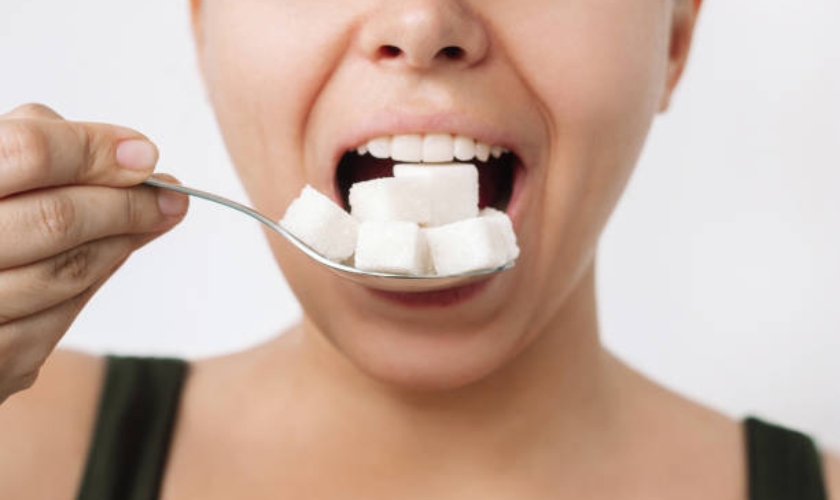
Sugar is a ubiquitous part of our modern diets, found in everything from baked goods to beverages. While it may tantalise our taste buds, the impact of sugar on our dental health can be quite concerning. As a highly informed individual from August 2023, let’s delve into the ways sugar can influence the state of our teeth and explore strategies to mitigate its detrimental effects.
The Science Behind Sugar and Tooth Decay
At the heart of the issue is the role of bacteria in our mouths. Certain types of bacteria, notably Streptococcus mutans, thrive on the sugars we consume. When these bacteria feast on sugar, they produce acids as a byproduct. These acids then attack the protective enamel layer of our teeth, gradually eroding it and leading to the formation of cavities.
The more frequently we consume sugary foods and drinks, the more prolonged this acid attack becomes. Over time, the enamel can become weakened, making our teeth more susceptible to decay and other dental problems.
The Hidden Sugars in Our Diet
One of the challenges in managing the impact of sugar on our teeth is the prevalence of hidden sugars in many of the foods and beverages we consume. From the obvious culprits like candy and soda to the more surprising sources like ketchup and salad dressings, sugar can be lurking in unexpected places.
It’s important to be a savvy label reader, scrutinizing the nutritional information and ingredient lists to identify the various forms of sugar, such as sucrose, high-fructose corn syrup, and even natural sweeteners like honey and agave. By being mindful of our sugar intake, we can take proactive steps to protect our dental health.
The Role of pH and Saliva Production
The pH level in our mouths also plays a crucial role in the battle against sugar-induced tooth decay. When we consume sugary foods or drinks, the pH in our mouths temporarily drops, becoming more acidic. This acidic environment further weakens the enamel, making it more susceptible to erosion.
Saliva production is another important factor. Saliva acts as a natural buffering agent, helping to neutralize the acidity in our mouths and wash away food particles. However, certain medical conditions or medications can reduce saliva production, leaving our teeth more vulnerable to the ravages of sugar.
Strategies for Maintaining Dental Health
Fortunately, there are several strategies we can employ to mitigate the impact of sugar on our teeth:
Moderation and Timing: Limiting our consumption of sugary foods and drinks, and being mindful of when we indulge, can make a significant difference. Aim to enjoy sugary treats in moderation and try to time them in conjunction with mealtimes when saliva production is higher.
Proper Oral Hygiene: Brushing and flossing regularly are essential for maintaining good oral health. By removing plaque and food particles, we can disrupt the cycle of bacteria-fueled acid production that leads to tooth decay.
Use of Fluoride: Fluoride is a powerful ally in the fight against cavities. Incorporating fluoride-containing toothpaste and mouthwashes into our daily routine can strengthen the enamel and make our teeth more resistant to the effects of sugar.
Dietary Modifications: Substituting sugary treats with healthier alternatives, such as fresh fruits, vegetables, and dairy products, can help reduce our overall sugar intake and its impact on our teeth.
Regular Dental Checkups: Visiting a dentist in Aurora regularly for cleanings and check-ups can help identify and address any dental issues before they become more serious. These professionals can also provide personalized guidance on maintaining optimal oral health.
By combining these methods, we can take proactive steps to protect our teeth from the detrimental effects of sugar. Remember, small changes in our dietary and oral hygiene habits can have a significant impact on the long-term health and appearance of our pearly whites.