Pay Online
Are you missing a tooth or dealing with uncomfortable dentures? Dental implants might just be the solution you’ve been searching for. Not only do they look and feel like real teeth, but they also offer long-term durability and functionality. But before considering this life-changing dental procedure, it’s important to understand what dental implants are, how they work, and most importantly, how much they cost. In this comprehensive blog post, we’ll delve into all these aspects and more so that you can make an informed decision about your oral health. So let’s dive right in!
What are dental implants?
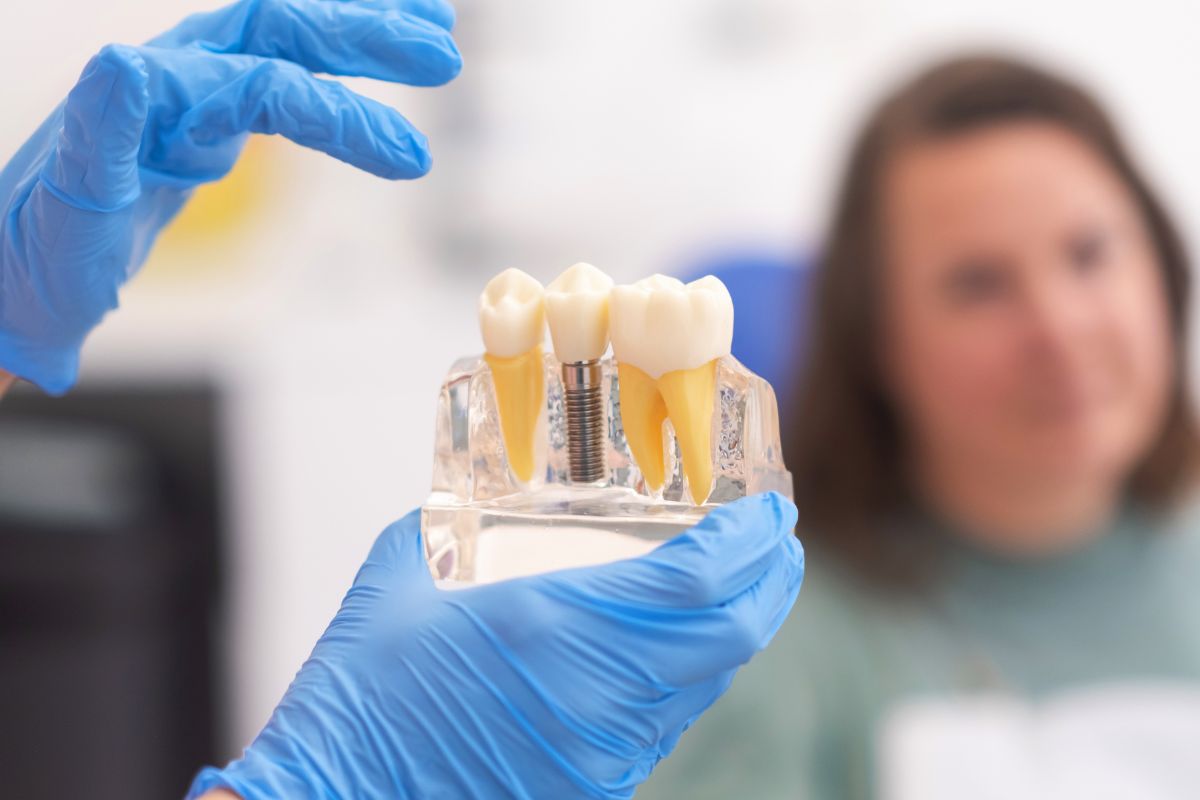
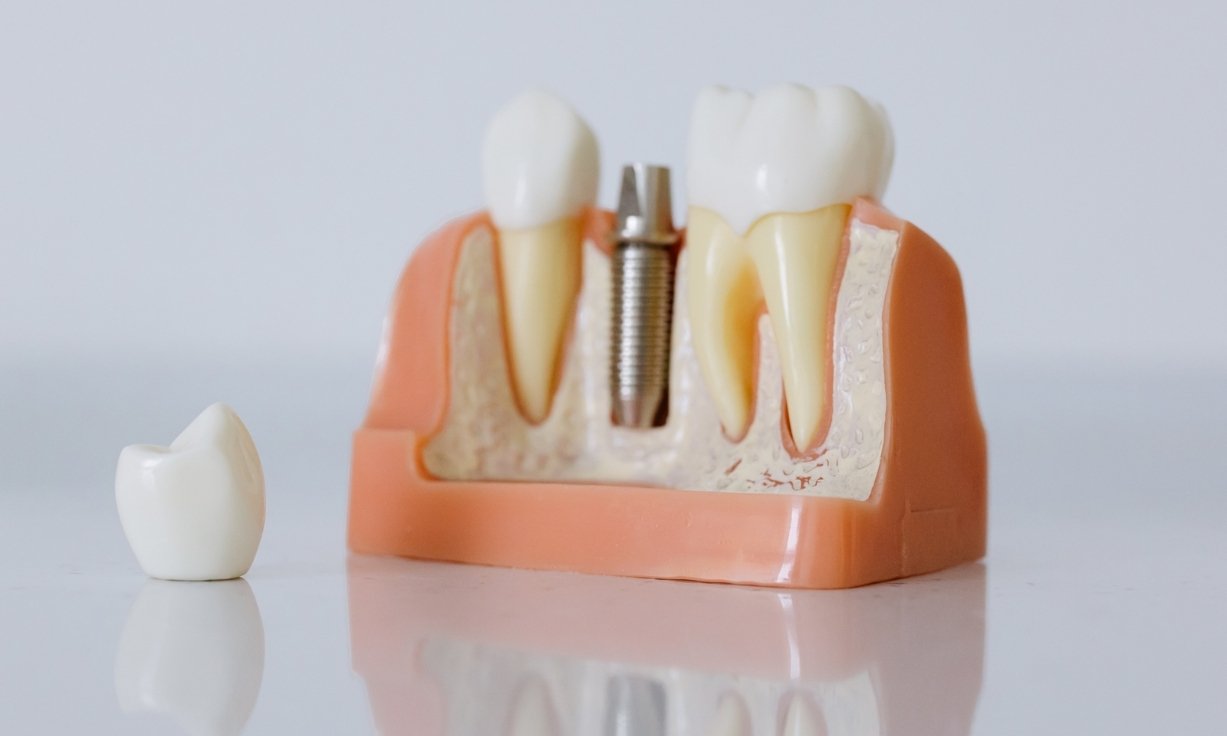
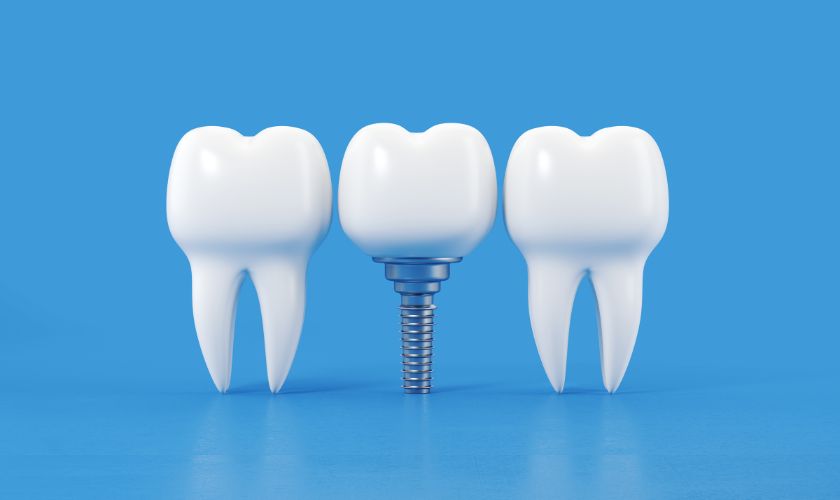
Dental implants are artificial tooth roots that are surgically placed into the jawbone to support a replacement tooth or bridge. Made of titanium, these implants fuse with the natural bone over time, providing a stable foundation for prosthetic teeth.
Unlike dentures or bridges which sit on top of the gums, dental implants are anchored securely in the jawbone. This not only ensures a more comfortable and natural feel but also prevents any movement or slippage while talking or eating.
There are two main types of dental implants: endosteal and subperiosteal. Endosteal implants are the most common type and involve placing screws directly into the jawbone. Subperiosteal implants, on the other hand, consist of metal frames that are positioned onto the jawbone beneath the gum tissue.
Once the implant is placed in your mouth, it needs time to heal and integrate with your bone tissue. This process can take several months as it allows for osseointegration – when your natural bone grows around and fuses with the implant. After this healing period is complete, an abutment is attached to connect your new tooth or bridge to the implant.
Dental implants provide a long-lasting solution for missing teeth that not only restores your smile but also improves chewing ability and preserves oral health.
Types of dental implants
When it comes to dental implants, there is no one-size-fits-all solution. Each person’s oral health and needs are different, which is why there are various types of dental implants available. Here are a few common types:
1. Endosteal Implants: These are the most commonly used type of dental implant. They consist of small titanium screws that are inserted into the jawbone to act as artificial tooth roots.
2. Subperiosteal Implants: This type of implant is placed under the gum but above or on top of the jawbone. It may be recommended for patients who have insufficient bone height or density.
3. All-on-4 Implants: This innovative technique allows for a full set of teeth to be supported by just four strategically placed implants in each arch.
4. Mini Dental Implants: As their name suggests, mini dental implants are smaller in diameter compared to traditional implants and can provide stability for dentures or bridges.
5. Zygomatic Implants: These specialized implants anchor into the cheekbones when there is limited bone availability in the upper jaw area.
The specific type of implant recommended will depend on factors such as your overall oral health, bone structure, and individual treatment goals discussed with your dentist or oral surgeon.
It’s important to note that while these types differ in their placement methods and components used, they all aim to provide stable support for replacement teeth while preserving facial aesthetics and functionality.
How do dental implants work?
- Dental implants are an effective solution for replacing missing teeth. But have you ever wondered how they actually work? Let’s take a closer look.
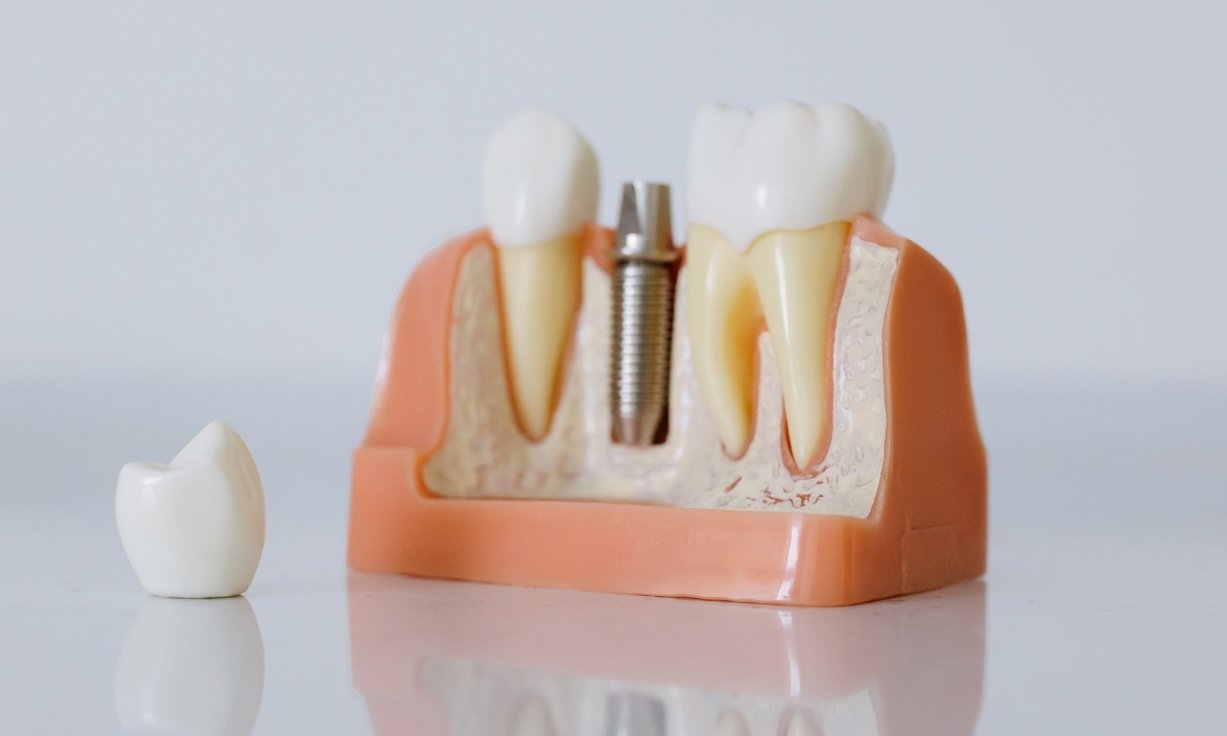
- First, a small titanium post is surgically placed into the jawbone. This acts as the root for your new tooth. The post fuses with the bone over time, creating a strong and stable foundation.
- Next comes the abutment, which connects the implant to the replacement tooth or crown. It allows for customization so that your new tooth matches seamlessly with your natural teeth in terms of size, shape, and color.
- The replacement tooth is attached to the abutment. This can be either removable or permanent depending on your specific needs and preferences.
- The beauty of dental implants lies in their ability to function just like natural teeth. They allow you to eat and speak without any difficulty and provide long-lasting support for surrounding teeth.
- So how do dental implants work? By mimicking nature’s design! With proper care and regular check-ups, they can last a lifetime – giving you back your beautiful smile and restoring confidence in every aspect of life.
What is the cost of dental implants?
- What is the cost of dental implants? This is a common question that many people have when considering this tooth replacement option. The cost of dental implants can vary depending on several factors.
- There are different types of dental implants available, each with its own price range. Traditional dental implants involve placing a titanium post into the jawbone and attaching a crown on top. These can be more expensive than other options such as mini implants or implant-supported dentures.
- In addition to the type of implant, the overall cost will also depend on the number of teeth being replaced. Obviously, replacing one tooth will be less costly than replacing multiple teeth.
- Another factor that can impact the cost is whether any additional procedures are needed before or during the implant placement. For example, if you require a bone graft or sinus lift to ensure proper support for the implant, this may add to the overall expense.
- Geographic location and individual dentist fees play a role in determining how much dental implants will cost. Prices can vary from city to city and even between different practices within the same area.
- It’s important to note that while dental implants may have a higher upfront cost compared to other tooth replacement options like bridges or dentures, they offer long-term benefits and durability that make them worth considering for many individuals seeking a permanent solution for missing teeth.
Who can have dental implants?
- When it comes to dental implants, many people wonder if they are a suitable option for them. The good news is that most individuals can have dental implants! However, there are certain factors that need to be considered before determining if someone is a good candidate for this procedure.
- Having healthy gums and sufficient bone density in the jaw are essential requirements for dental implant placement. This is because the implant needs a stable foundation to support it. If an individual has gum disease or inadequate bone structure, additional treatments such as bone grafting may be necessary before undergoing the implant procedure.
- Age is not necessarily a barrier when it comes to dental implants. As long as someone’s overall health condition permits surgery and their oral health meets the necessary criteria, they can opt for dental implants at any age.
- Individuals who have lost one or more teeth due to injury or decay are ideal candidates for dental implants. Implants provide a permanent solution that looks and functions like natural teeth.
- It’s important to consult with an experienced dentist who specializes in implant dentistry. They will evaluate your specific circumstances and determine whether you are a suitable candidate for dental implants.
- Remember, every person’s situation is unique so always consult with your dentist to explore all available options tailored specifically to you!
Dental implants offer a long-term solution for those who have lost one or more teeth. They are durable, natural-looking, and provide the functionality of real teeth. However, it’s important to consider the cost before making a decision.
The cost of dental implants can vary depending on several factors such as the number of implants needed, the type of implant used, and any additional procedures required. On average, a single dental implant can range anywhere from $1,000 to $4,000 or more.
While this may seem like a significant investment upfront, it is essential to remember that dental implants are designed to last for many years with proper care. This means that in the long run, they can be more cost-effective compared to other tooth replacement options that may require frequent repairs or replacements.
It’s also worth noting that many dental insurance plans do not cover the full cost of dental implants but may provide partial coverage. Additionally, some dentists offer financing options or payment plans to help make treatment more affordable.
Who is eligible for dental implants? The good news is that most people who are in good overall health and have enough bone density in their jaw can be candidates for dental implant surgery. Your dentist will evaluate your specific situation and determine if you are suitable for this procedure.
In conclusion (without using “in conclusion”), while there is an initial financial investment involved with getting dental implants, they are considered an excellent long-term solution for replacing missing teeth. Not only do they restore your smile and improve oral function but also contribute to better oral health overall.
If you’re considering getting dental implants or want more information about their costs and benefits specific to your case – don’t hesitate! Schedule a consultation with your dentist today so you can explore all available options and make an informed decision about restoring your beautiful smile.