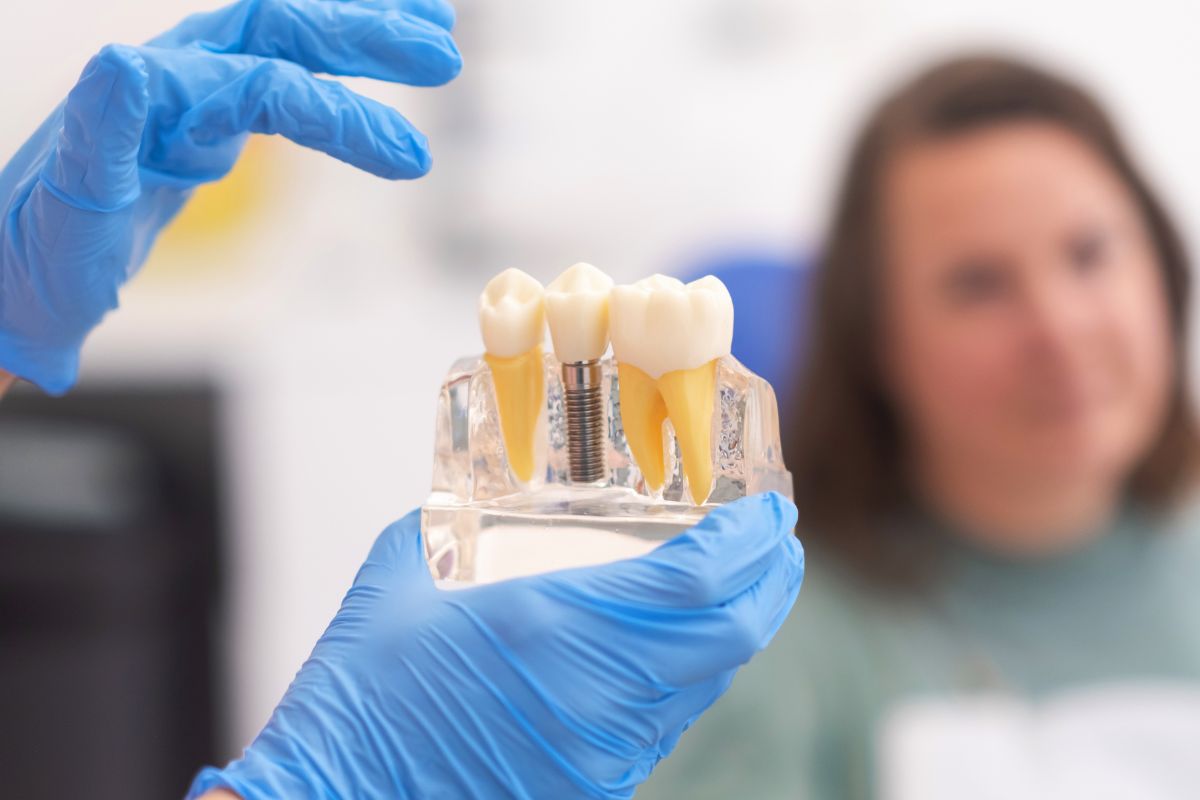
The loss of a tooth leads to more than just an empty space in your smile. Over time, the jawbone under the gap starts to deteriorate, a process called bone resorption. This impacts how you look but can also clash with the structure of your face, often referred to as ‘facial sinking’. Thankfully, dental implants do more than just replace missing teeth; they actually preserve your facial structure!
Many patients who face tooth loss in Aurora struggle with changes to their facial features. Dentures and bridges may address missing teeth, but ignore the corresponding bone loss. And this is where dental implants shine. Its benefits go beyond your brand-new smile; it helps prevent the collapse of facial structure, allowing your face to keep its natural shape as you age.
How Does Losing Teeth Affect Your Face?
An indication of just how much the loss of teeth affects facial appearance. When a tooth is missing, the bone that supported it will begin to shrink over time. Your body resorbs the mass of bone, as it is unable to form around the root. This bone loss results in a change to your face that makes you appear sunken and hollow around the mouth and jawline.
As the jawbone shrinks, so does the skin, making you appear older. This effect becomes even more pronounced if you have several missing teeth, which can result in major changes to your facial aesthetics.
How Implants Save Your Jaw and Face Structure
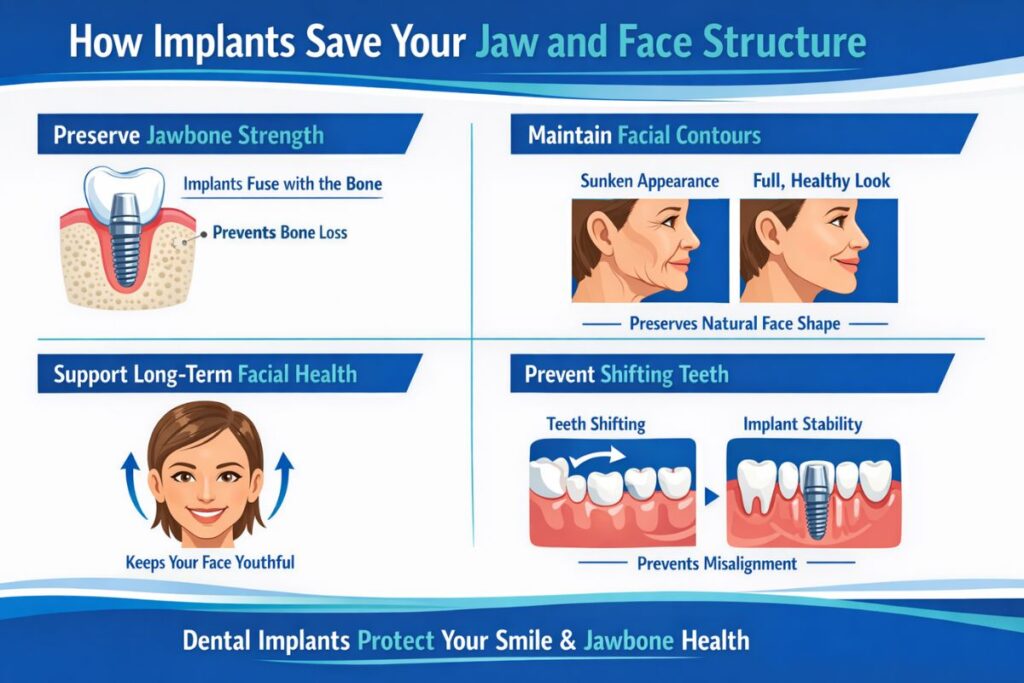
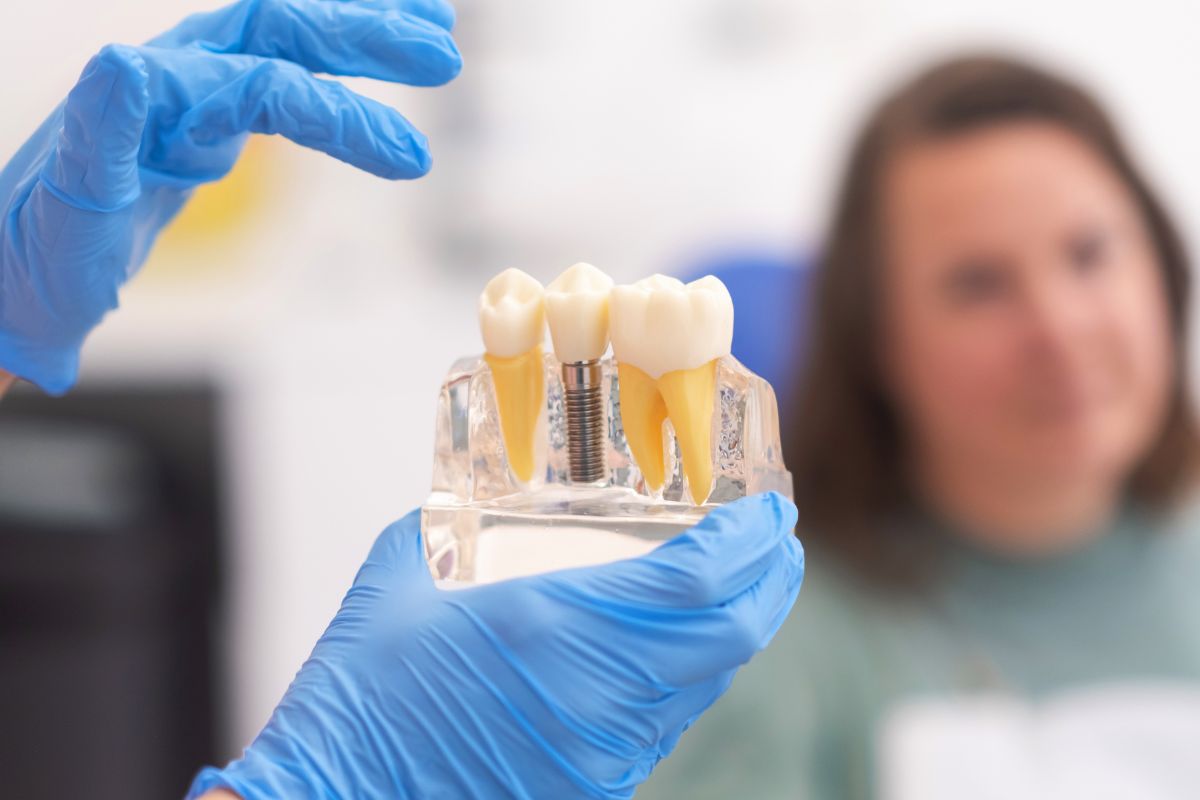
When it comes to replacing missing teeth, dental implants in Aurora can do more than just mimic the appearance of your mouth; they are also essential for your overall health and aesthetics. Dental implants fuse with your jawbone, stimulating bone growth that helps prevent the facial droop associated with missing teeth. Here’s how they preserve your facial structure:
1. Preserve Jawbone Strength
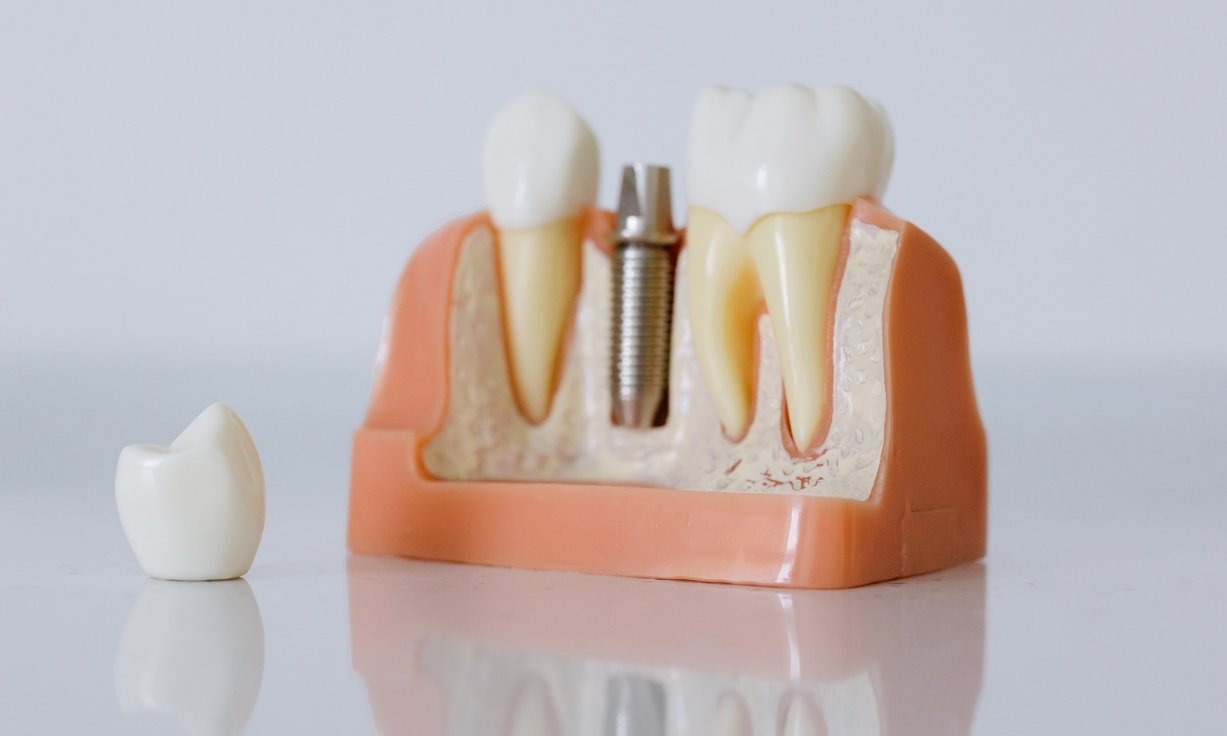
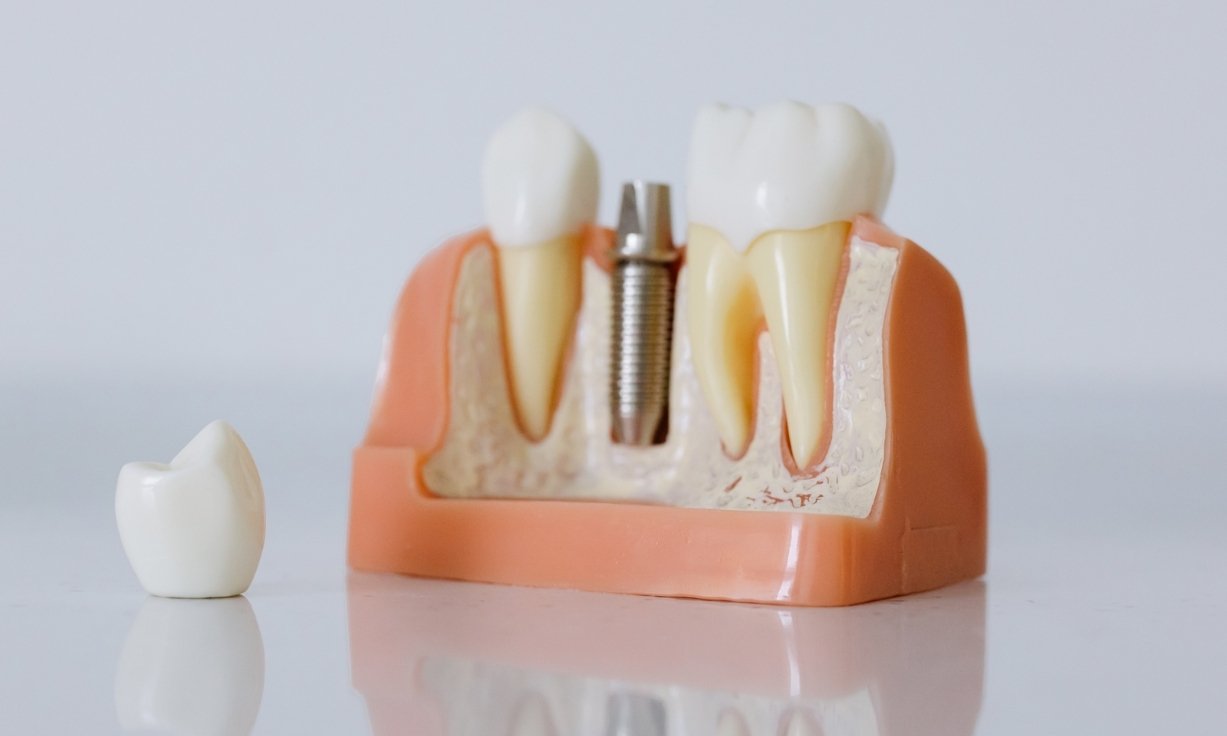
Implants fuse with the bone in a process called osseointegration, which also stimulates the jawbone to prevent it from naturally resorbing. This helps keep your jaw strong and healthy and prevents the bone from breaking down over time.
2. Maintain Facial Contours
Unlike dentures or bridges, which do not engage with the jawbone, the osseointegration of implants helps maintain bone density and preserve facial contours. This helps to avoid the sunken look that often accompanies tooth loss.
3. Support Long-Term Facial Health
A healthy jawbone supports your facial muscles and tissues to help you maintain a youthful, natural look as you age. This long-term goal is aided by dental implants, which help prevent bone loss.
4. Prevent Shifting Teeth
When a tooth is lost, the adjacent teeth migrate into the gap, which can lead to misalignment. Such stability is provided by implants, which prevent your teeth from shifting out of place and reduce the risk of future problems.
Missing teeth replacement involves dental implants to protect the function and aesthetics of your smile.
What to Expect During the Implant Procedure
While the dental implant process is quite simple, it must be carried out in several steps for optimal results. Here’s what to expect during the procedure:
- Initial Placement: In this stage, the implant is surgically placed into your jawbone. We administer a local anesthetic so you will be comfortable during the procedure.
- Osseointegration: The implant will undergo osseointegration over the next few months, during which it fuses with the bone. That is essential for the proper anchoring of the implant.
- Crown Fitting: After bone integration, your crown will be placed on top of the dental implant, giving you a functional and attractive replacement for your missing tooth.
- Minimal Discomfort: The procedure is non-invasive, and patients usually feel little pain afterward. Any post-operative discomfort tends to dissipate within a few days, making for an easy recovery.
With implants, you receive a safe and effective long-term solution for your missing teeth. The procedure is tailored towards you to ensure productivity and comfort.
Dental Implants Aftercare
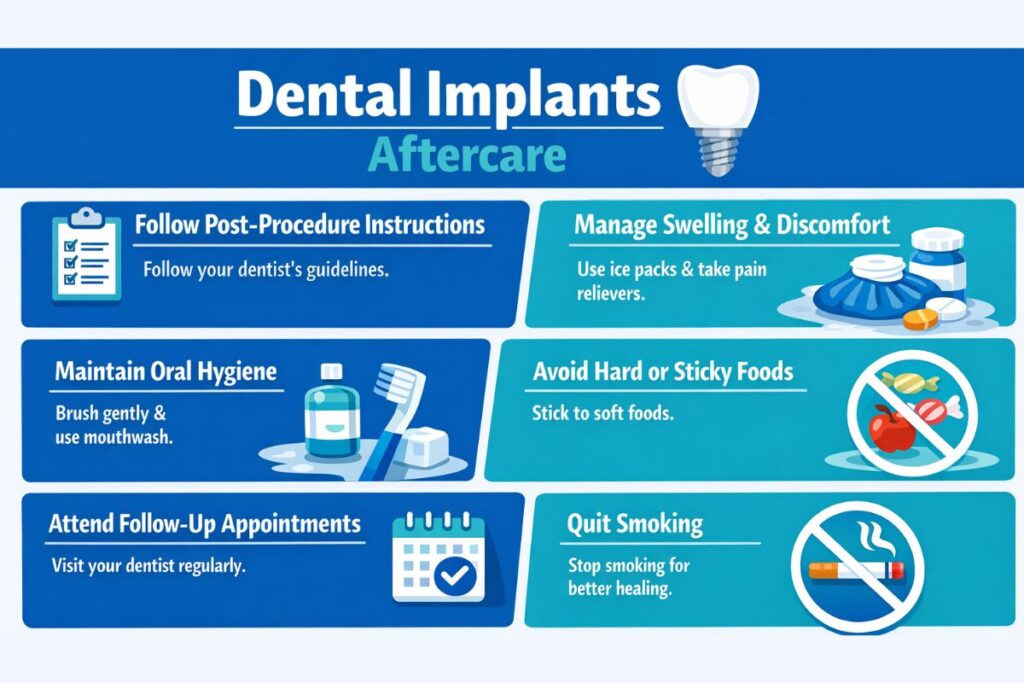
To maximise the longevity and success of your dental implants, you need to follow proper aftercare! The right recovery steps can help prevent complications and aid your healing. Here’s what you need to know for effective aftercare:
- Follow Post-Procedure Instructions: Your dentist will give you specific post-care instructions. Follow them closely as they are vital to the healing process and preventing infection.
- Manage Swelling and Discomfort: Mild swelling and pain are normal following the procedure. In the first few days, take the prescribed pain relievers and use cold compresses to reduce swelling.
- Maintain Oral Hygiene: Brush and floss gently and keep the area around your implant clean. Do not brush the implant directly for the first few days; instead, use an antimicrobial mouthwash to keep it clean.
- Avoid Hard or Sticky Foods: During the first few weeks, refrain from chewing hard or sticky foods around the site of your implant. To avoid putting undue pressure on the implantation, it is best to stick to softer food.
- Attend Follow-Up Appointments: Regular check-ups are important for your dental health, so the dentist can monitor your healing and ensure the implant is fusing correctly with your jawbone over time. Make sure to attend all follow-up visits to check on your progress.
- Quit Smoking: After a facial surgery or implant, smoking will affect recovery. If you do smoke, you may want to quit or at least cut back while your body heals.
Dental implants can last a lifetime when properly cared for, allowing you to preserve both the function and aesthetics of your smile.
Why Implants Are Best for Preventing Facial Sinking
Tooth loss is a common issue, yet for one reason or another, some patients choose not to have anything done about it. Here are some explanations of why they are an alternative to avoid facial sinking:
- Jaw Bone Preservation: This titanium implant fuses well with the jawbone, helping prevent bone loss and preserving facial structure.
- Comfortable Feel: Because implants feel and look natural, you will have more confidence when using your available devices come during a smile and eating.
- A Permanent Solution: Unlike dentures or bridges, which may need replacement in the future, dental implants can last a lifetime with proper maintenance.
- Maintain Facial Structure: A well-placed dental implant stimulates the jawbone and prevents bone resorption, helping patients look younger.
A Fuller Smile and a Fuller Face
At Young Dental Care, our philosophy around dental implants goes beyond restoring one or more teeth to enhancing your smile and preserving the health of your facial structure. If you are facing tooth loss, you no longer need to live with a smile that makes you feel embarrassed. Unlike bridges or dentures, dental implants are a permanent solution that will help prevent your jawbone from deteriorating and your face from collapsing in as you age, so you will continue looking youthful and confident.
Schedule an appointment with us at Young Dental Care to learn more about how dental implants can restore your smile and facial structure. Our team will help initiate the procedure to reach the smile you have in your heart.