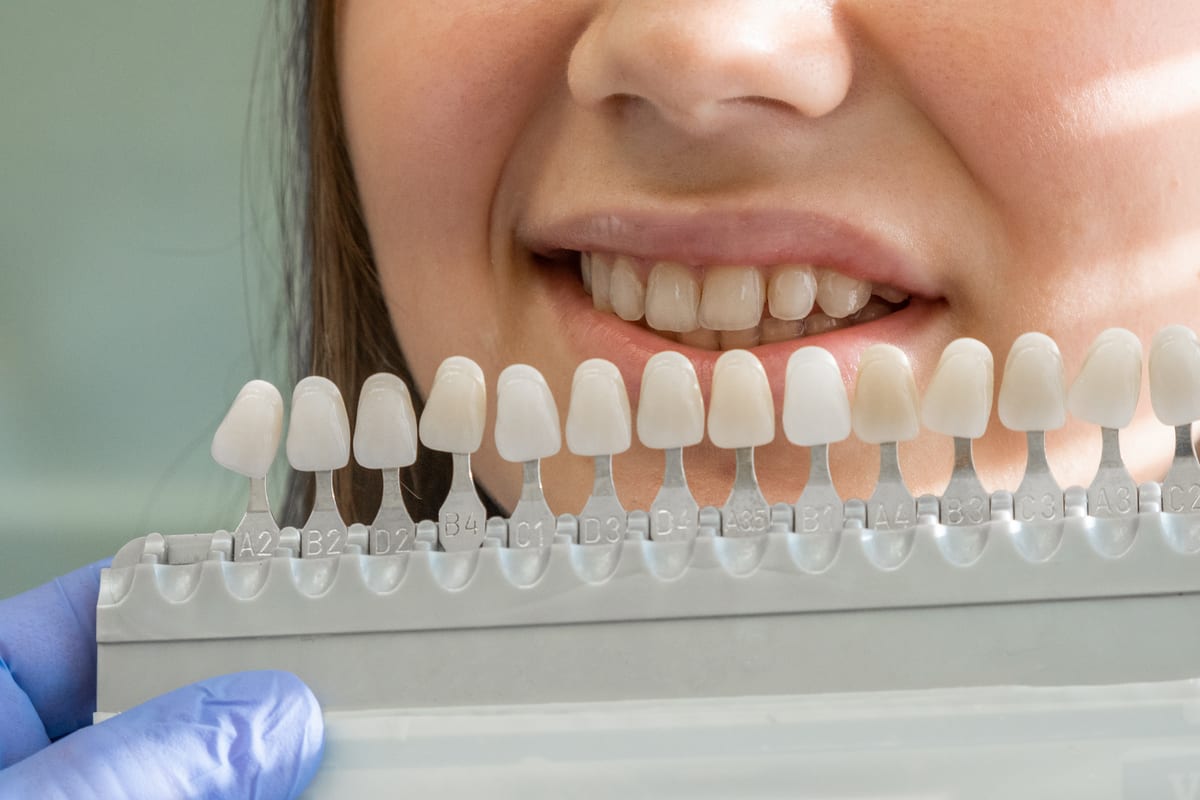
Veneers sound amazing on paper — a brighter, more even smile in just a couple of visits. But are you actually a candidate for veneers? This self-assessment checklist in Aurora is designed to help you think through the key factors before booking a consultation. Dr. Bindi Patel at Young Dental Care works with patients every day who ask this exact question. Understanding the basics now can save you time and help you walk into your appointment more prepared.
Veneers fall under the broader umbrella of Cosmetic Dentistry Aurora — a category that includes treatments focused on the look and feel of your smile. Not everyone is a good fit right away, and that is completely okay. Some patients need a small amount of prep work first. Others are ready to go almost immediately.
What Are Veneers and Who Are They Generally For?
Dental veneers are thin shells — usually made of porcelain — bonded to the front surface of your teeth. They can correct chips, stains, gaps, and mild misalignment. They are a popular solution for people who want a significant smile upgrade without orthodontic treatment.
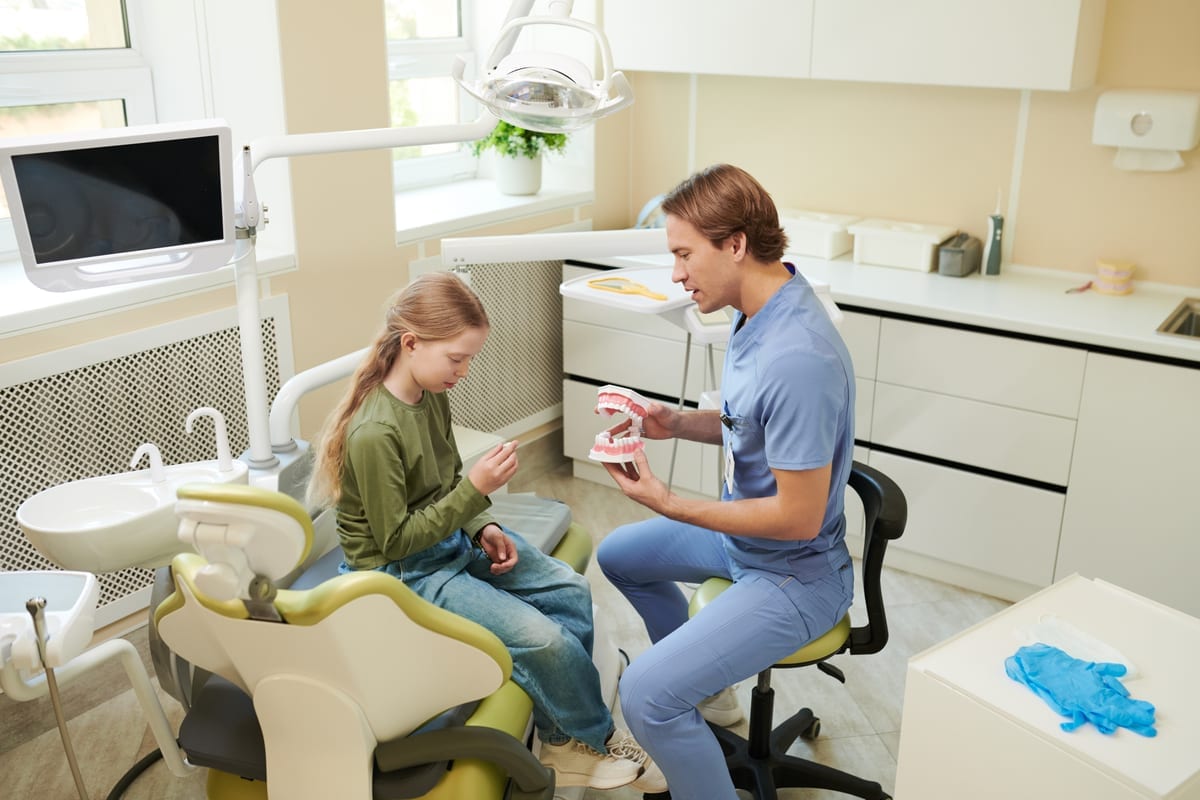
Veneers are best suited for adults with mostly healthy teeth and gums. They are not typically recommended for children or teens whose teeth are still developing. If you are exploring options for a younger family member, our team can discuss alternatives through Pediatric Dentistry Aurora.
The ideal candidate has cosmetic concerns rather than major structural damage. Think surface-level issues — not deep decay, severe fractures, or significant bone loss. If your main goal is a more polished, uniform smile, veneers may be exactly what you need.
Self-Assessment Checklist: Tooth Structure and Enamel Health
Veneers bond directly to your enamel. That means you need enough healthy enamel for a secure, lasting attachment. Run through these questions honestly before assuming you qualify.
- Do your teeth feel generally strong and intact?
- Have you avoided habits that aggressively wear down enamel, like chewing ice or using teeth to open packages?
- Have you had limited tooth decay, or has any decay been treated and resolved?
- Are your teeth free from large fillings on the front surfaces?
- Has a dentist confirmed your enamel thickness is adequate for bonding?
If you answered yes to most of these, your tooth structure likely supports veneer placement. If you have significant enamel erosion, your dentist may recommend an alternative — like dental crowns — to protect and restore the tooth more fully.
Teeth with extensive damage often need restorative work before cosmetic treatment. Think of it as building on a solid foundation. Veneers placed on compromised teeth tend to fail sooner and may cause discomfort.
Gum Health and Bite Considerations That Affect Candidacy
Healthy gums are non-negotiable for veneer candidacy. Inflamed or receding gums change the margin line of each tooth. That affects both how veneers look and how well they stay in place over time.
Ask yourself these gum and bite-related questions:
- Do your gums look pink and firm — not red, swollen, or bleeding?
- Have you been told you have gum disease or gingivitis recently?
- Do you have significant gum recession that exposes root surfaces?
- Is your bite balanced, or do you experience jaw pain and clicking?
- Do you have a deep overbite that causes your lower teeth to hit the back of upper front teeth?
Gum disease must be treated before veneers are placed. At Young Dental Care, Dr. Patel addresses gum health as a first step in any cosmetic treatment plan. Patients with untreated gum issues are at risk for veneer failure and further tissue damage.
Bite problems are equally important. A misaligned bite can crack or pop off veneers over time. If you have jaw pain or noticeable wear patterns on your teeth, mention these during your consultation.
Habits and Lifestyle Factors That Can Disqualify You
Your daily habits matter more than most people realize. Certain behaviors can damage veneers quickly — or make them a poor investment from the start. Being honest with yourself here leads to better long-term outcomes.
Bruxism — the habit of grinding or clenching your teeth — is one of the biggest disqualifiers. Grinding puts enormous pressure on thin porcelain shells. Many grinders crack or chip veneers within months. If you grind your teeth, ask your dentist about a custom night guard before moving forward.
Other habits that affect candidacy include:
- Biting fingernails or chewing on pens regularly
- Smoking or heavy tobacco use, which stains and weakens bonding
- Drinking large amounts of staining beverages without rinsing afterward
- Playing contact sports without a mouthguard
None of these habits automatically rule you out. But they do need to be addressed and managed. Dr. Patel takes a realistic approach — helping patients understand what changes will protect their investment long-term.
What Happens During a Veneer Candidacy Consultation in Aurora
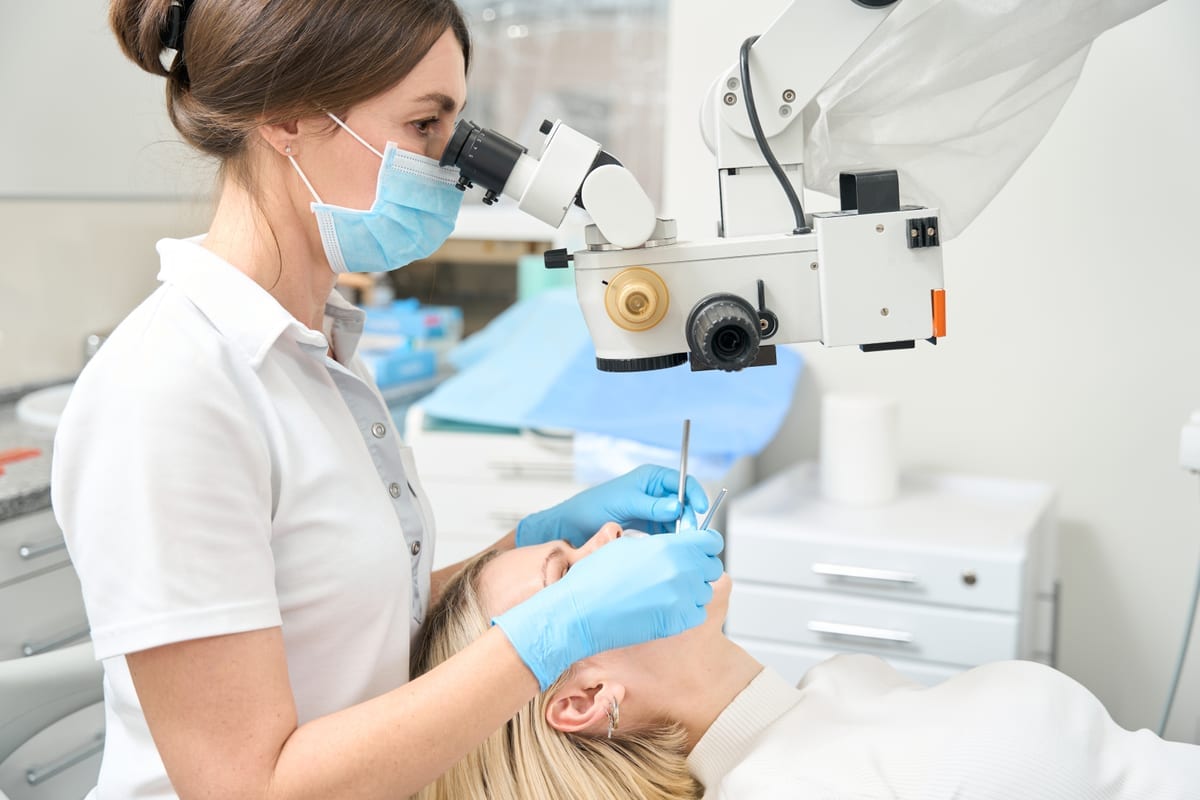
If your self-assessment looks promising, the next step is a professional evaluation. During your consultation at Young Dental Care, Dr. Patel will examine your teeth, gums, and bite in detail. She will also take X-rays to assess bone and root health beneath the surface.
Here is what to expect during that visit:
- A full oral health exam to check for decay, gum disease, and structural issues
- A review of your cosmetic goals and what bothers you about your current smile
- A discussion of which teeth are candidates and which may need preparatory work
- A treatment plan that outlines realistic timelines and alternatives if needed
Dr. Patel prioritizes patient education at every appointment. You will leave the consultation with a clear picture of your candidacy — and what steps come next if you are not quite ready yet. Aurora patients appreciate this straightforward, no-pressure approach.
If veneers are not the right fit right now, there are almost always other options. Teeth whitening, dental bonding, or orthodontic treatment might get you closer to your goal first. The path to your ideal smile is rarely one-size-fits-all.
Conclusion: Take the Next Step Toward Your Best Smile
Going through this self-assessment checklist is a smart first move. You now have a clearer sense of whether veneers might be right for you — and what factors a dentist will evaluate during your visit. Strong enamel, healthy gums, a stable bite, and mindful daily habits all work together to make veneers a lasting success. Dr. Bindi Patel and the team at Young Dental Care in Aurora are ready to guide you through the process with honesty and care. Book Now to schedule your appointment with our team.
Frequently Asked Questions
Can I get veneers if I have had cavities in the past?
Yes — past cavities do not automatically disqualify you. What matters is whether those cavities have been properly treated and filled. Active decay must be resolved before any cosmetic work begins. Dr. Patel will check for any untreated issues during your consultation.
How much enamel do veneers actually remove?
Traditional porcelain veneers require removing a small layer of enamel — typically less than a millimeter. This creates a better bonding surface and ensures the veneer sits flush with surrounding teeth. Once enamel is removed, it does not grow back, so veneers are considered a permanent commitment.
What if I grind my teeth — can I still get veneers?
Bruxism does increase the risk of damaging veneers, but it does not always rule them out entirely. Many patients manage grinding successfully with a custom night guard. Dr. Patel will assess the severity of your bruxism and recommend the safest path forward before placing veneers.
Are veneers a good option for teens or younger patients?
Veneers are generally not recommended for patients whose teeth and jaws are still developing. Most dentists prefer to wait until the late teens or early adulthood before placing permanent veneers. For younger patients with cosmetic concerns, Dr. Patel may suggest temporary or reversible options instead.
How long do veneers last if I am a good candidate?
Porcelain veneers typically last between 10 and 20 years with proper care. Regular dental checkups, a consistent brushing and flossing routine, and avoiding damaging habits all extend their lifespan. Patients who go into the process as strong candidates — with healthy teeth and gums — tend to see the best long-term results.