Pay Online
A dazzling smile is a powerful asset, boosting confidence and leaving a lasting impression. Dental crowns play a crucial role in enhancing both the appearance and functionality of your teeth. However, encountering a gap behind your dental crown can be a cause for concern and confusion. In this comprehensive guide, we’ll unravel the mystery behind the gap and explore effective solutions to restore your smile.
Understanding the Dental Crown: A Brief Overview
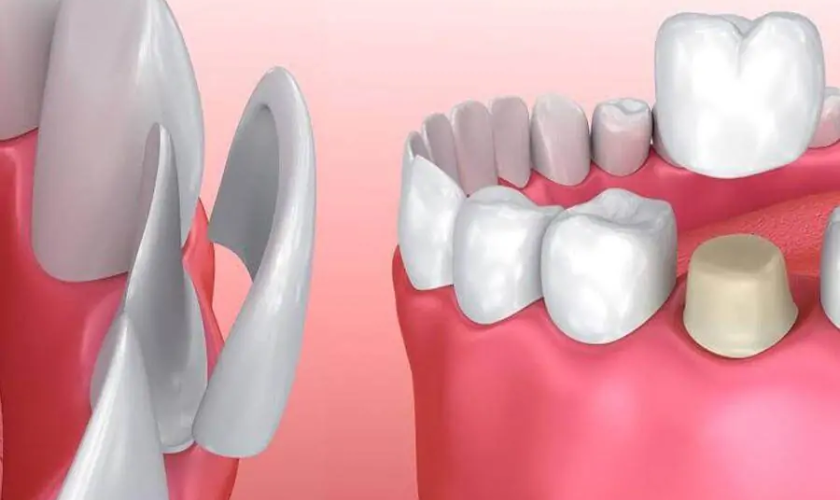
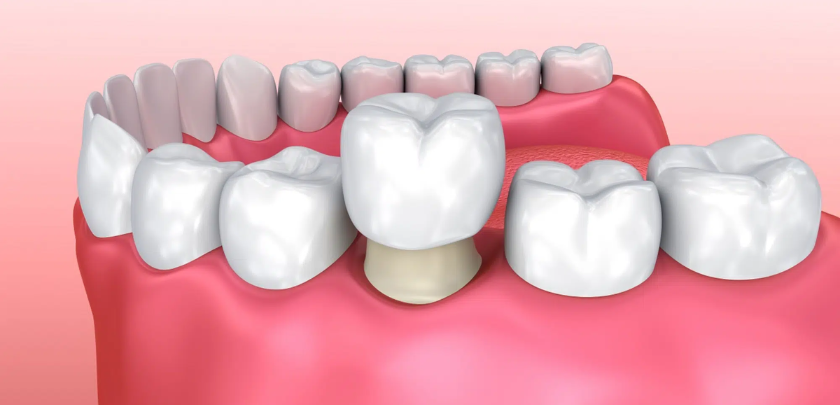
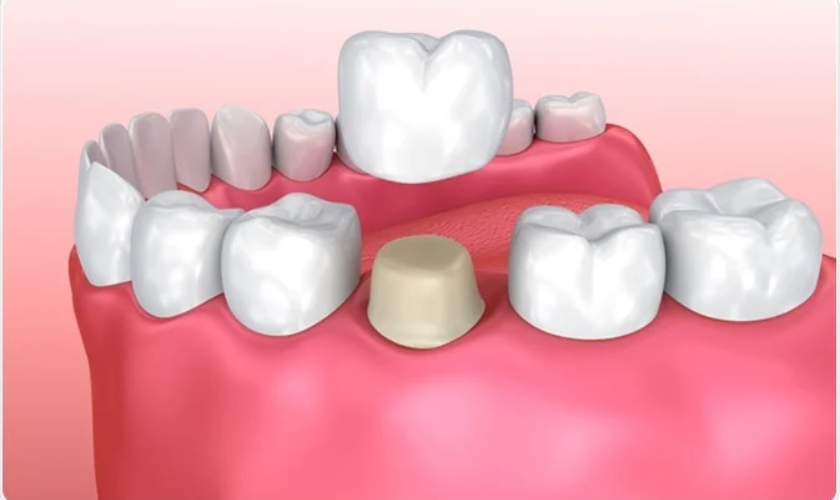
Before delving into the gap dilemma, let’s grasp the fundamentals of dental crowns. A dental crown is a cap-like structure crafted from various materials such as porcelain, ceramic, or metal alloys. Placed over a damaged or weakened tooth, crowns serve to restore strength, shape, and appearance.
The Unwanted Gap: Causes and Contributors
The emergence of a gap behind a dental crown may stem from various factors. Understanding these causes is pivotal to finding the right solution. Here are some common reasons for the gap:
Tooth Decay: Decay around the base of the crowned tooth can weaken the foundation, leading to a gap.
Poor Fit: Inadequate fitting during the crown placement process can create spaces, making the crown prone to dislodgement.
Gum Recession: Receding gums expose the tooth’s roots, affecting the stability of the crown and creating room for a gap.
Trauma or Injury: Accidents or injuries can impact the integrity of the crowned tooth, causing a gap to form over time.
Faulty Crown Material: Crowns made from subpar materials may not withstand the pressures of daily use, resulting in gaps or fractures.
Improper Bite Alignment: Uneven pressure during biting or chewing can contribute to the loosening of a dental crown, leading to a gap.
Detecting the Gap: Signs and Symptoms
Identifying a gap behind your dental crown is crucial for timely intervention. Keep an eye out for these signs:
Sensitivity: Increased sensitivity to hot or cold substances may indicate a gap or an issue with the crowned tooth.
Pain or Discomfort: Persistent pain or discomfort around the crowned tooth could signal an underlying problem.
Visible Gap: If you notice a visible space between the crown and the natural tooth, it’s a clear indication of a gap.
Swelling and Redness: Inflammation or redness in the gum area around the crowned tooth may suggest an issue.
Addressing the Gap: Effective Solutions
Once you’ve identified a gap behind your dental crown, it’s essential to explore viable solutions. Here are some effective ways to address the issue:
Dental Examination: Schedule a visit to your dentist for a thorough examination. They will assess the gap, identify the underlying cause, and recommend an appropriate solution.
Crown Replacement: If the gap results from a poorly fitting or damaged crown, your dentist may recommend replacing it with a new, properly fitted crown.
Tooth Restoration: In cases of tooth decay or damage, the dentist may need to restore the natural tooth before placing a new crown to eliminate the gap.
Gum Treatment: Addressing gum recession involves various treatments, such as gum grafts, to restore the gum line and eliminate gaps.
Bite Adjustment: If the gap is a result of improper bite alignment, your dentist may recommend adjustments to ensure even pressure distribution during biting and chewing.
Oral Hygiene Maintenance: Practicing good oral hygiene is crucial in preventing further issues. Regular brushing, flossing, and dental check-ups can contribute to the longevity of your dental crown.
Preventing Future Gaps: Proactive Measures
While fixing an existing gap is essential, taking proactive measures to prevent future issues is equally crucial. Consider these preventive measures:
Regular Dental Check-ups: Schedule routine dental check-ups to monitor the condition of your dental crown and address any emerging issues promptly.
Maintain Good Oral Hygiene: Brushing and flossing regularly can help prevent decay and gum-related issues that may lead to crown gaps.
Avoid Chewing Hard Substances: Limit the consumption of hard foods or objects that may cause damage to your dental crown.
Use a Mouthguard: If you engage in activities with a risk of impact, such as sports, consider using a mouthguard to protect your teeth and dental crown.
Address Grinding or Clenching: If you grind or clench your teeth, discuss potential solutions with your dentist, such as a night guard, to prevent damage to your dental crown.
Encountering a gap behind your dental crown can be disconcerting, but with the right knowledge and timely intervention, you can restore your smile to its full glory. Understanding the causes, detecting signs early, and seeking professional guidance are key steps in addressing the issue effectively.
Remember, maintaining good oral hygiene and being proactive in your dental care is essential for preventing future gaps and ensuring the longevity of your dental crown. With the right approach, you can confidently showcase your radiant smile, knowing that your dental crown is in optimal condition.
Looking For A Dentist In Aurora, IL
Welcome to Young Dental Care, your local Aurora dentist! Our team of dental professionals and experts are committed to providing excellent dental care for people of all ages. We specialize in creating personalized treatment plans that meet the unique needs and desires of each patient. Whether it’s a regular checkup or a smile makeover, we will ensure you get the best possible results.