Pay Online
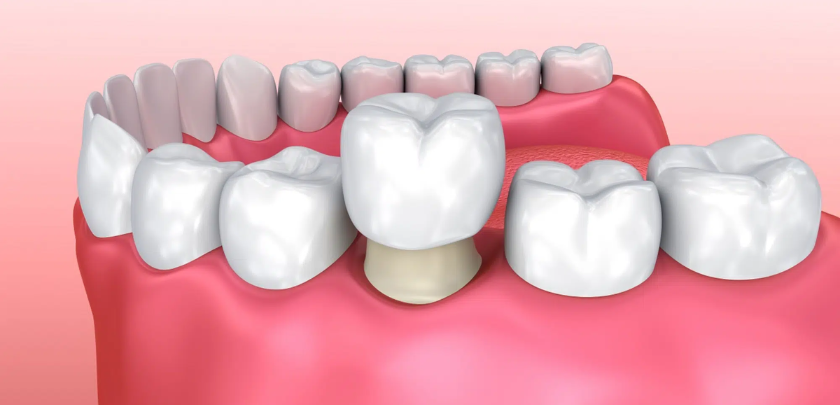
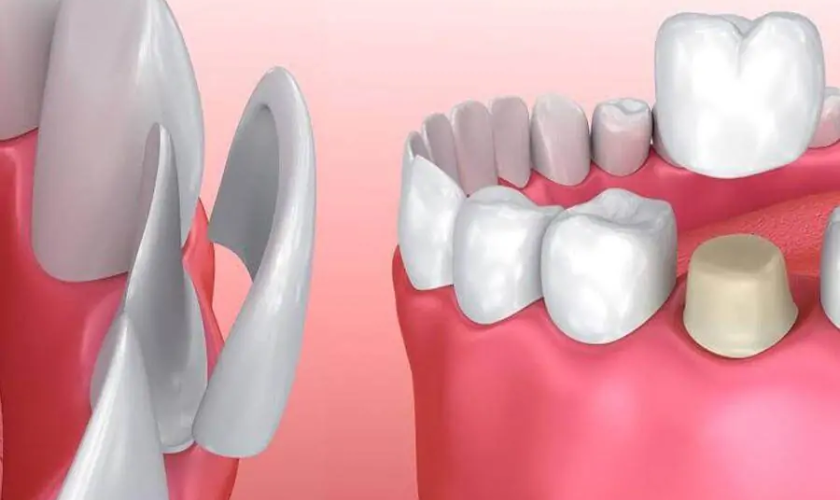
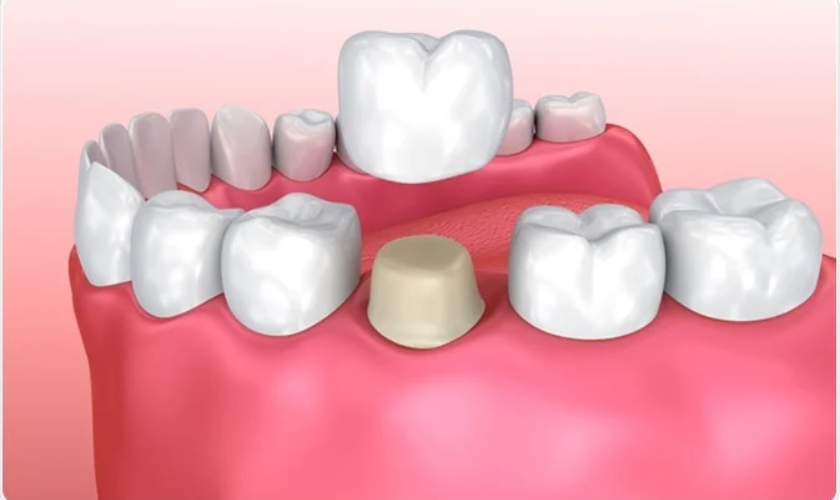
Dental crowns are the sturdy, often porcelain or ceramic caps that restore a tooth’s functionality and appearance. They act like a knight’s helmet, shielding a weakened or damaged tooth from further harm. But even the sturdiest crowns aren’t invincible. Biting down on something unexpectedly hard, grinding your teeth, or simply the natural wear and tear of time can lead to a cracked, chipped, or even completely broken crown.
So, what happens when your dental crown breaks? Don’t panic! This guide will equip you with the knowledge and steps to navigate this situation and get your smile back in tip-top shape.
The Signs of a Broken Crown:
A broken crown doesn’t always announce its arrival with a bang. Sometimes, the signs are subtle. Here’s what to watch out for:
- Pain or sensitivity: This can be a sharp pain when biting down, or a dull ache in the surrounding area.
- Chipped or cracked crown: This might be visible as a rough edge or a small crack in the crown’s surface.
- Loose crown: If the crown feels loose or wobbly, it’s a sign that the cement holding it in place has been compromised.
- Discomfort when chewing: A broken crown can alter your bite and make chewing uncomfortable.
Immediate Action Plan:
If you suspect a broken crown, here’s what to do:
- Contact your dentist right away: Don’t wait! Early intervention can prevent further damage to the tooth and surrounding tissue. Explain the situation and schedule an appointment as soon as possible.
- Retrieve any broken pieces: If the crown has chipped or broken, try to find any loose pieces. Bring them with you to your dentist appointment. This will help them determine the best course of action for repair.
- Manage discomfort: Over-the-counter pain relievers like ibuprofen can help manage any pain or sensitivity you might be experiencing.
- Avoid using the broken tooth: Chewing on the broken tooth can cause further damage. Stick to soft foods on the opposite side of your mouth until your appointment.
Treatment Options for Broken Crowns:
The treatment for a broken crown depends on the severity of the damage. Here are some possibilities:
- Re-cementing: If the break is minor and the tooth structure is intact, your dentist might be able to simply re-cement the crown back onto the tooth. This is a relatively quick and painless procedure.
- Repairing the crown: For minor chips or cracks, your dentist might be able to repair the crown using composite resin (tooth-colored filling material).
- Replacing the crown: If the damage is extensive or the tooth structure is compromised, a complete crown replacement might be necessary. This involves creating a new crown in a dental lab and then placing it on the tooth during a subsequent appointment.
Preventing Broken Crowns:
While there’s no guaranteed way to prevent a crown from breaking, here are some tips to minimize the risk:
- Avoid chewing on hard objects: This includes nuts, hard candies, ice, and even popcorn kernels.
- Don’t use your teeth for anything other than chewing: Don’t use your teeth to open bottles, tear packages, or crack nuts.
- Maintain good oral hygiene: Brush twice a day and floss daily to remove plaque and bacteria that can weaken the tooth and compromise the crown.
- Wear a mouthguard: If you grind your teeth at night, wear a mouthguard to protect your teeth and crowns from damage.
- Regular dental checkups: Schedule regular dental checkups and cleanings with your dentist. This allows them to identify any potential problems with your crowns early on.
Living With a Repaired Crown:
Once your crown is repaired or replaced, proper care is essential for its longevity. Here’s what you can do:
- Maintain good oral hygiene: Brushing and flossing regularly is key to keeping your crown and surrounding teeth healthy.
- Avoid harsh foods and beverages: Limit your intake of sugary or acidic foods and drinks that can damage the crown.
- Let your dentist know: If you experience any pain, sensitivity, or chipping around the crown, inform your dentist right away.
Remember: A broken crown doesn’t have to be a dental emergency. By taking prompt action, following your dentist’s instructions, and practicing good oral hygiene, you can ensure a smooth recovery and get your smile back to its shining best.