Pay Online
Are you tired of dealing with missing teeth or uncomfortable dentures? Say goodbye to the hassle and hello to a bright, confident smile with dental implants! In this blog post, we will explore the incredible rise of dental implants and how they are revolutionizing the world of dentistry. Get ready to sink your teeth into an exciting future where implant technology is changing lives and transforming smiles. Don’t miss out on this groundbreaking journey as we uncover why dental implants are becoming the go-to solution for tooth replacement.
Introduction to Dental Implants
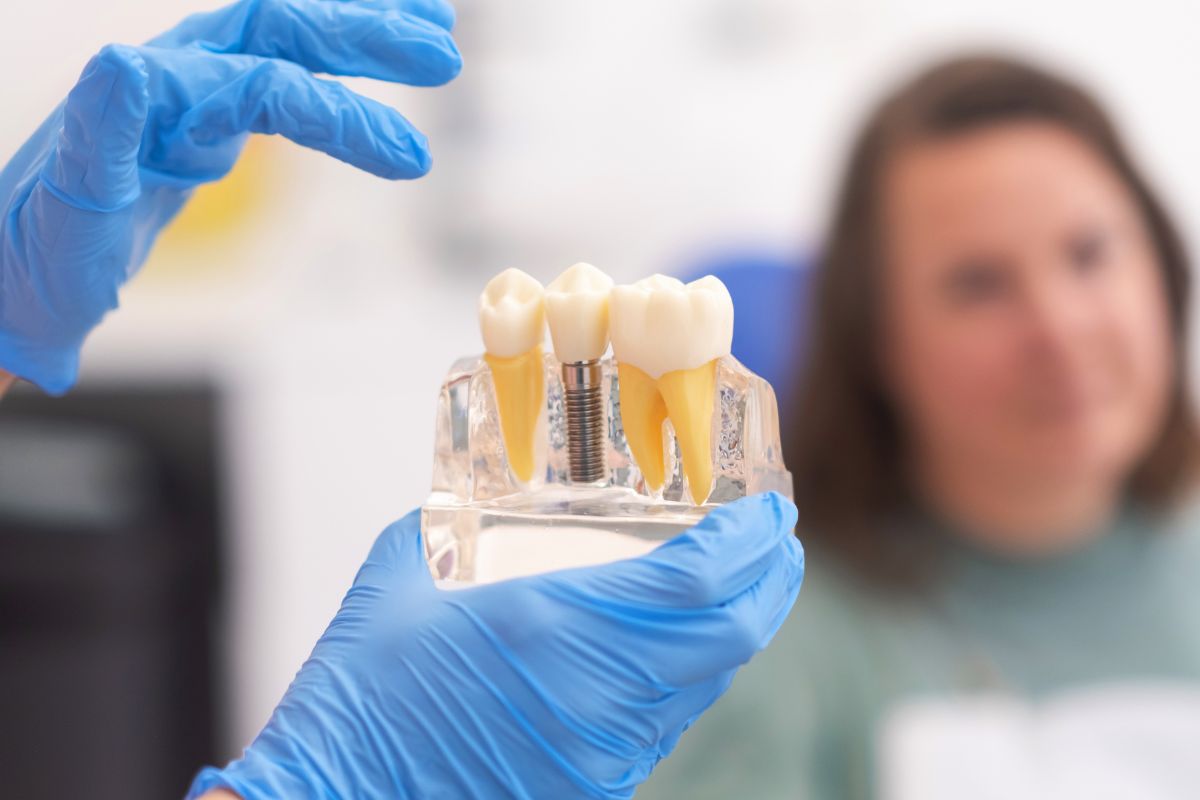
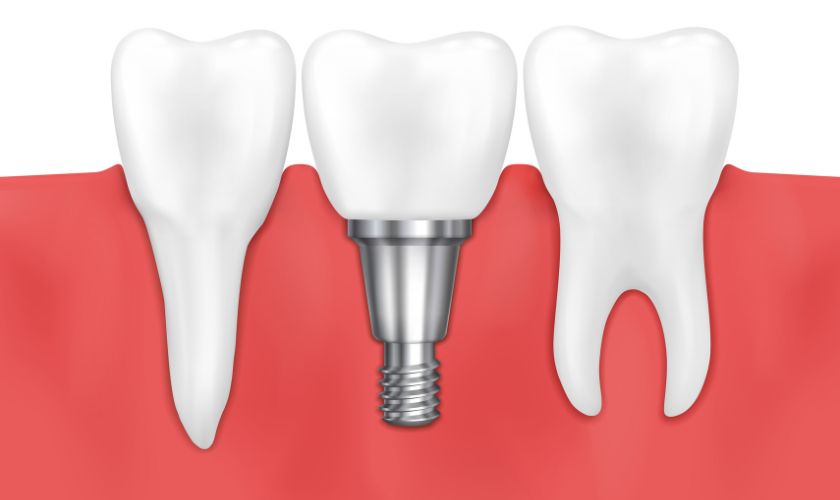
Dental implants are artificial tooth roots that are placed in the jaw to hold a replacement tooth or bridge. They are an option for people who have lost a tooth or teeth due to periodontal disease, an injury, or some other reason.
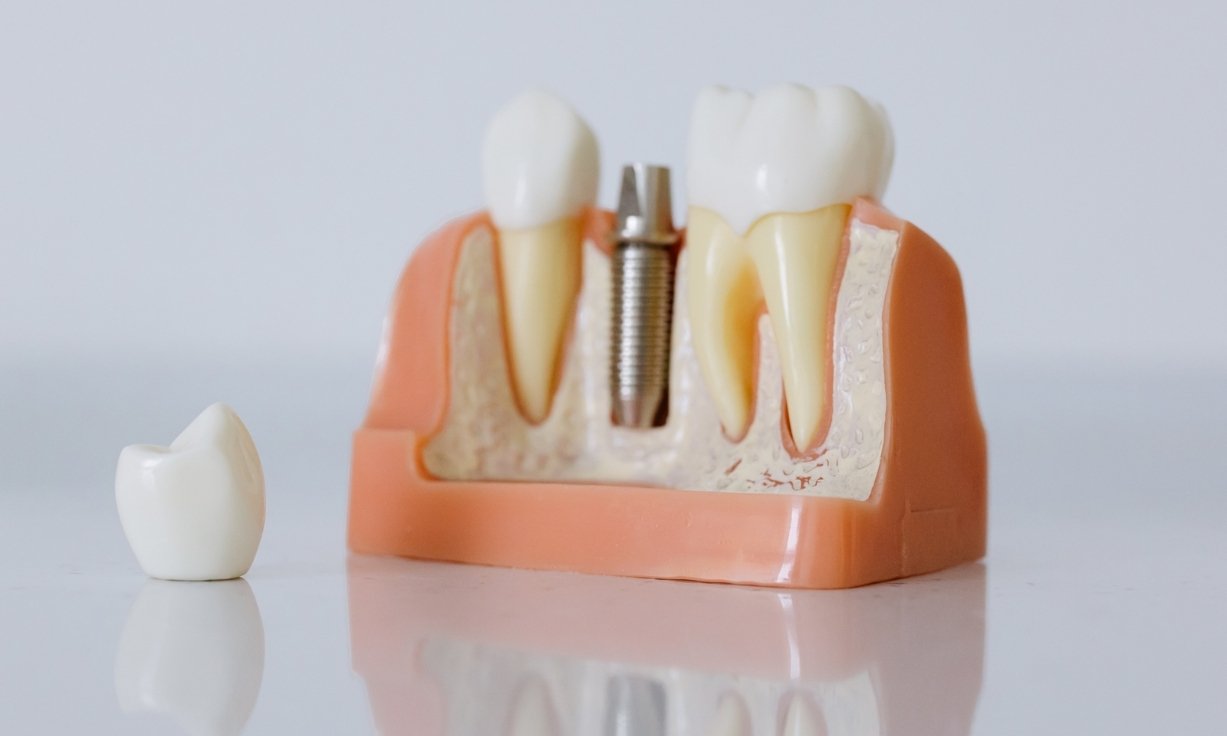
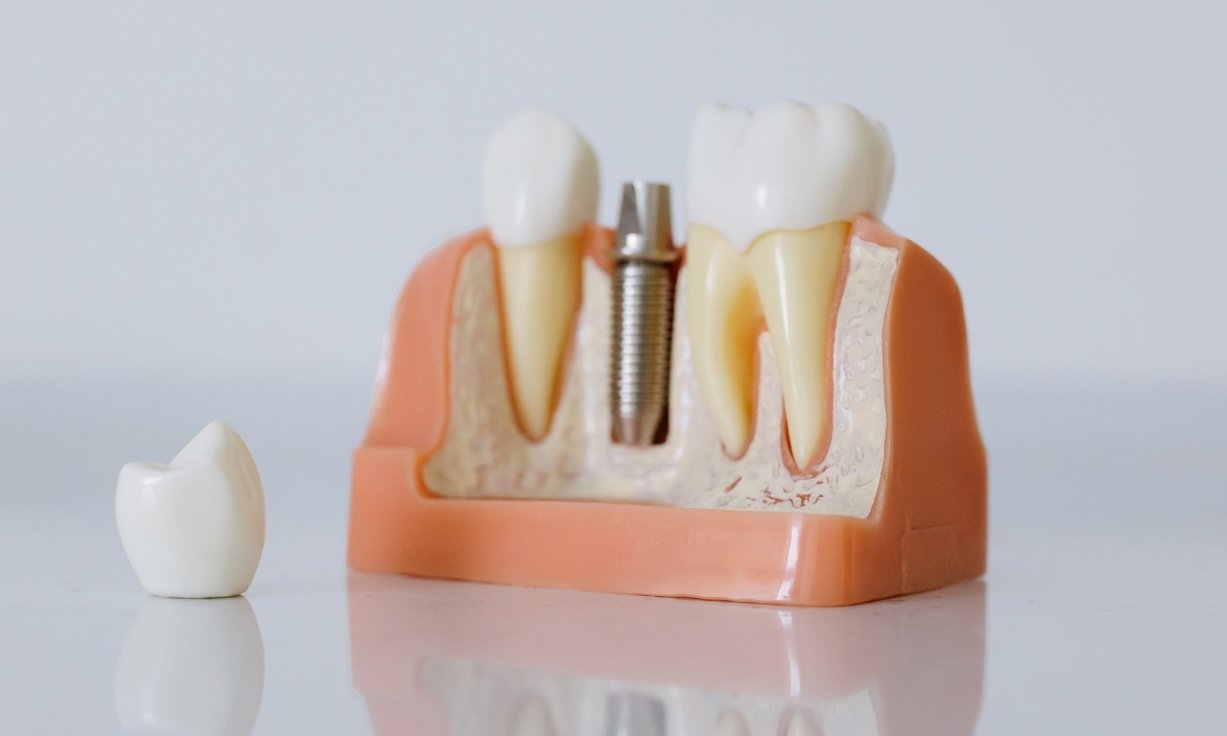
Dental implants are made of titanium, a material that is compatible with the human body. The implant is placed in the jawbone and allowed to fuse with the bone over a period of several months. This process is called osseointegration. Once osseointegration is complete, the implant is then used to support a dental prosthetic (a replacement tooth).
The most common type of dental implant is the endosteal implant. This type of implant is placed in the jawbone and consists of a metal screw or cylinder that protrudes from the gum line. A dental prosthetic (a replacement tooth) is then attached to the top of the implant.
Endosteal implants are usually used for people who are missing one or more teeth. If you are missing all of your teeth, you may be a candidate for All-on-4 dental implants. This type of dental implant consists of four implants that are placed in the jawbone and support a full arch denture (upper or lower).
If you are considering dental implants, it is important to consult with a qualified dentist to determine if you are a good candidate for this procedure.
Benefits of Dental Implants
- Dental implants are an increasingly popular way to replace missing or damaged teeth. Unlike traditional dentures, which can slip and cause discomfort, dental implants are permanently anchored in the jawbone, making them a more stable and comfortable option. In addition, unlike dentures, which must be removed and cleaned daily, dental implants are cared for just like natural teeth, making them a more convenient option for busy people.
- There are many other benefits of dental implants as well. Dental implants can help preserve the jawbone, which can deteriorate over time when teeth are missing. They can also improve the appearance of your smile and help you speak and eat more comfortably. If you are considering dental implants, be sure to talk to your dentist about whether they are right for you.
Types of Dental Implants
- There are many different types of dental implants available on the market today. The most common type is the endosseous implant, which is placed directly into the jawbone. Other types of implants include subperiosteal implants, which are placed under the gum tissue; transosteal implants, which go through the jawbone; and All-on-4 implants, which are a specialized type of implant that is used in cases where all of the teeth need to be replaced.
- No matter what type of dental implant you choose, you can be sure that it will provide you with a long-term solution to your tooth loss problem.
Procedure for Placing Dental Implants
If you’re considering dental implants, you’re probably wondering what the procedure entails. Here’s a quick overview of what you can expect:
- First, your dentist will assess your individual case to see if dental implants are the right solution for you. If so, they will take X-rays and impressions of your teeth in order to create a custom treatment plan.
- Once your treatment plan is finalized, the next step is to place the implant itself. This is done by surgically inserting a metal post into your jawbone. The implant will then need to heal for several months before the next phase of treatment can begin.
- After the implant has had time to heal, your dentist will attach a small connector piece called an abutment. Once the abutment is in place, they will take another impression of your teeth in order to create a custom dental crown. The crown will be color matched to your natural teeth and placed over the abutment to complete the procedure.
With proper care, dental implants can last a lifetime!
Care and Maintenance for Dental Implants
Dental implants are a popular option for those looking to replace missing teeth. But what many people don’t realize is that dental implants require special care and maintenance in order to keep them looking and functioning their best. Here are a few things you need to know about caring for your dental implants:
- Brushing and flossing: Just like your natural teeth, you need to brush and floss your dental implants on a daily basis. This will help remove plaque and bacteria build-up around the implant, which can lead to gum disease.
- Regular dentist visits: It’s important to see your dentist regularly, even if you have dental implants. Your dentist will be able to check for any potential problems with your implants and make sure they are still functioning properly.
- Avoid hard foods: Be careful with hard foods, as they can damage your dental implants. Stick to softer foods that won’t put too much pressure on your implants.
With proper care and maintenance, your dental implants can last a lifetime!
Alternatives to Dental Implants
There are a few alternatives to dental implants that your dentist may suggest, depending on your individual situation. These include:
1. Dental bridges: A dental bridge is used to replace one or more missing teeth. The bridge is made up of two crowns placed on the teeth on either side of the empty space, with an artificial tooth (or pontic) in between. Bridges can be made from a variety of materials, including gold, alloys, and porcelain.
2. Dentures: Dentures are removable replacements for missing teeth. They are typically made of acrylic or plastic and fit snugly over the gums. Dentures can be full or partial, depending on how many teeth are missing.
3. Tooth-supported fixed partial denture (FPD): An FPD is similar to a dental bridge, but instead of being supported by natural teeth, it is supported by implants.
FAQs
1. How long does the dental implant procedure take?
The duration of the dental implant procedure can vary depending on various factors, such as the patient’s oral health, the number of implants being placed, the need for any additional procedures, and the healing response of the individual. On average, the entire process, from implant placement to the attachment of the final restoration, can take several months. However, this timeline can be shorter for some cases, especially when using advanced techniques like immediate loading implants.
2. Is the dental implant procedure painful?
The dental implant procedure is typically performed under local anesthesia, ensuring that patients do not experience pain during the surgery. Some individuals may feel mild discomfort or soreness in the days following the procedure, which can be managed with over-the-counter pain medications. The dentist will provide appropriate aftercare instructions to minimize any potential discomfort and promote a smooth recovery.
3. What is the success rate of dental implants?
Dental implants have a high success rate, with reported success rates exceeding 95%. However, the success of implants depends on several factors, including the patient’s overall health, oral hygiene practices, the expertise of the dentist or oral surgeon, and proper aftercare and maintenance. Following the dentist’s instructions, attending regular dental check-ups, and maintaining good oral hygiene can significantly contribute to the long-term success of dental implants.
4. Can dental implants replace multiple missing teeth?
Yes, dental implants can be used to replace multiple missing teeth. Depending on the specific case, dental implant-supported bridges or implant-supported dentures can be used to restore a larger span of missing teeth. These options provide improved stability, functionality, and aesthetics compared to traditional removable dentures or bridges, giving patients a more comfortable and natural-looking solution for multiple tooth replacements.
5. Are dental implants covered by insurance?
Dental insurance coverage for dental implants can vary depending on the insurance provider and the specific policy. In some cases, dental insurance may partially cover the cost of dental implants, particularly if they are deemed medically necessary. However, it is important to check with the insurance provider and review the policy details to understand the extent of coverage for dental implant procedures.
In conclusion, dental implants provide a solution to many dental problems and can offer life-changing benefits. They are an effective, long-term treatment for missing teeth that look and feel like natural teeth. With the rise of dental implants, more people than ever before have access to this technology, making it easy to replace their missing teeth with something that looks and feels just like the real thing. As technology continues to advance, we can expect even more exciting advancements in dental implant treatments in the future.