Pay Online

When a dental emergency strikes, it can be overwhelming. You may experience pain or discomfort that demands immediate attention. While waiting for emergency dental care, knowing how to manage the situation can make a significant difference. This guide will help you take the right steps before you reach your emergency dentist. From managing pain to keeping calm, follow these tips to handle your dental crisis effectively.
Stay Calm and Assess the Situation
The first step is to stay calm. Panic can worsen the situation. Take a moment to assess your dental emergency. Is it a toothache, a broken tooth, or something else? Knowing what you’re dealing with will help you communicate clearly when you see the dentist.
- Take Deep Breaths: This helps reduce anxiety and clear your mind.
- Examine Your Mouth: Look for any visible damage, swelling, or bleeding.
- Keep Track of Symptoms: Note how long you’ve been in pain or if there are any additional issues, as this will aid the dentist in diagnosis.
Manage Pain and Discomfort
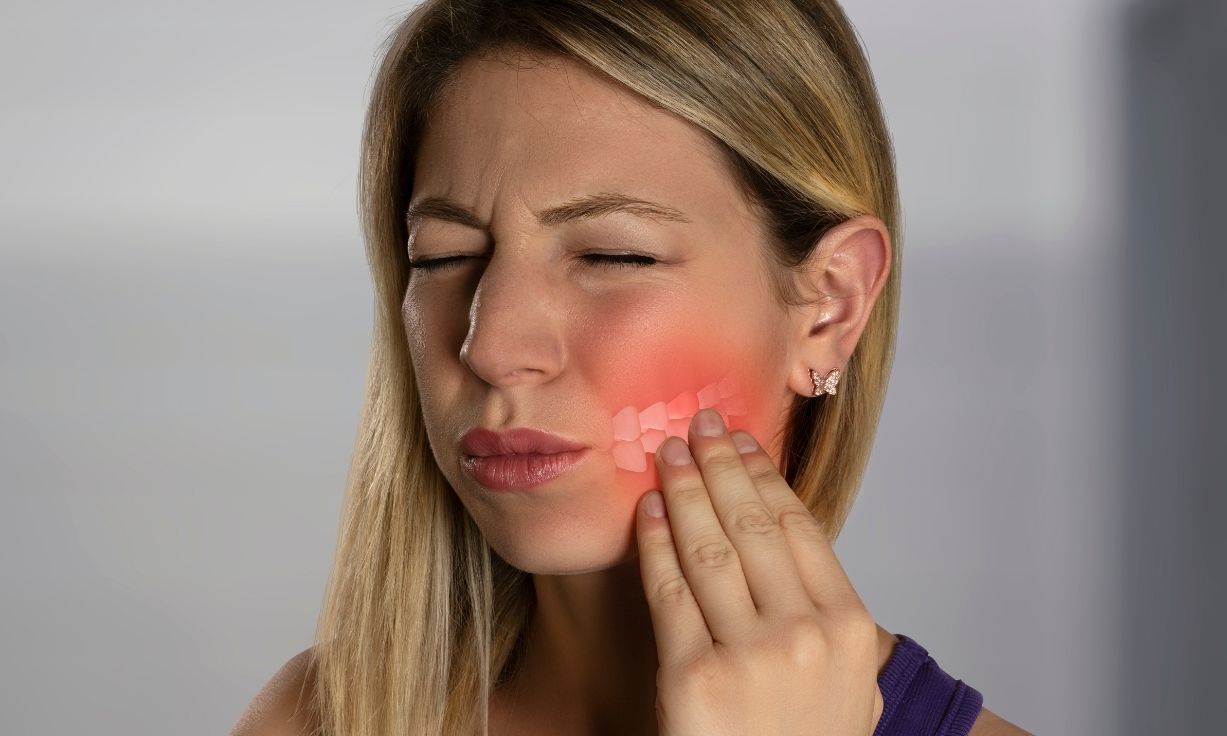
While waiting for your emergency dentist in Aurora, managing pain is crucial. Here are some effective ways to alleviate discomfort:
- Over-the-Counter Pain Relievers: Use ibuprofen or acetaminophen as directed to help manage pain. Always follow the recommended dosage.
- Cold Compress: Apply a cold pack to the outside of your cheek. This can reduce swelling and numb the area, providing relief from discomfort.
- Saltwater Rinse: Gently rinse your mouth with warm saltwater. This solution can help keep the area clean and may provide relief.
Take Care of Your Oral Hygiene
Even during a dental emergency, maintaining oral hygiene is important. Here are some steps you can take:
- Brush Gently: If possible, brush your teeth gently to remove food particles. Avoid the area that is causing pain to prevent irritation.
- Floss Carefully: If food is stuck between your teeth, use dental floss gently to dislodge it. Be cautious not to irritate the affected area further.
What to Do for Specific Emergencies?
Different dental emergencies require different approaches. Here’s a quick guide for some common situations:
- Knocked-Out Tooth:
- Handle the tooth by the crown, not the root, to avoid damaging it.
- Rinse it gently with water to clean it.
- Place it back in the socket if possible. If not, store it in milk or saline to keep it moist.
- Cracked or Broken Tooth:
- Rinse your mouth with warm water to clean the area.
- Apply a cold compress to reduce swelling and numb the area.
- Save any pieces of the tooth for your dentist to evaluate.
- Severe Toothache:
- Rinse with salt water to help soothe the pain and clean the area.
- Avoid putting heat or ice directly on the tooth. Instead, focus on managing the discomfort with medication.
- Contact your dentist immediately to schedule an appointment.
When to Seek Emergency Dental Care?
Recognizing when you need to seek emergency dental care is essential. Here are signs that you should visit your emergency dentist in Aurora as soon as possible:
- Severe Pain: If pain is unbearable and over-the-counter medications are not effective, it’s time to see a dentist.
- Heavy Bleeding: If you have uncontrolled bleeding in your mouth, don’t wait—seek help immediately.
- Swelling: If swelling spreads to your face or neck, this can indicate a serious issue.
- Signs of Infection: If you experience fever or pus, this may indicate an infection that needs urgent treatment.
Prepare for Your Visit
While waiting for your emergency dentist, you can take a few steps to prepare for your visit:
- Gather Information: Write down any relevant medical history and medications you’re taking, as this will help your dentist provide appropriate care.
- Make a List of Symptoms: This can help the dentist understand your situation better. The more information you provide, the easier it will be for them to help you.
- Bring Dental Records: If you have recent dental records, bring them along. This can assist the dentist in making an informed decision about your treatment.
By following these steps, you can manage your situation effectively until you receive emergency dental care. Taking immediate action can save your teeth and improve your comfort. Remember, your health is important, and prompt attention to dental emergencies can lead to better outcomes.