Pay Online
Cracks and chipped teeth look alike, but the impact is felt differently. One may be a cosmetic nuisance; the other threatens the nerve. If you are in Aurora and have sharp edges, pressure sensitivity, or sudden sensitivity, this article separates urgent from “soon,” and explains what to do next—gently and confidently.
Crack vs. Chip: How to know the difference
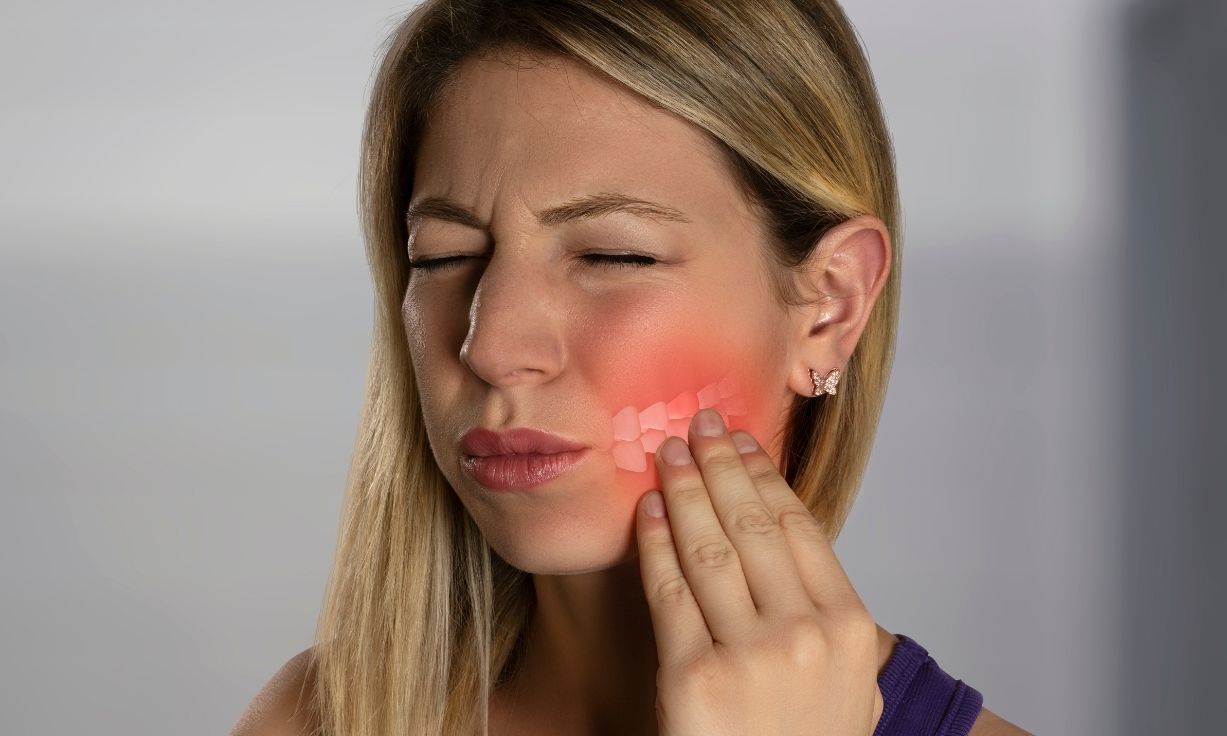
- Cracked tooth (structural damage). A true crack can run through enamel and dentin and sometimes reach the pulp. Common symptoms are pain upon biting or on “release,” temperature sensitivity, and sensitivity to one-sided chewing.
- Chipped tooth (surface damage). A chip removes a little enamel. Often, there is no pain—only a rough edge or minor cosmetic change. Still, it’s advised to undergo a dental checkup to prevent further cracking.
Red flags that make it urgent
Seek same-day dental treatment if you have:
- Non-stop pain (especially when biting), heightened sensitivity depth, or a visible split line
- Lost a large piece, cutting the tongue or cheek on the sharp edges
- Swollen gum, face swelling, fever, or bad taste (likely infection)
- Loose tooth, out-of-position tooth, or bite shift
Why fast care matters: There are around 2 million emergency department visits for dental-related conditions each year within the United States, and the majority of them can be addressed more effectively and quickly in a dental environment.
What is a dental emergency for patients of Aurora should prompt them to act on
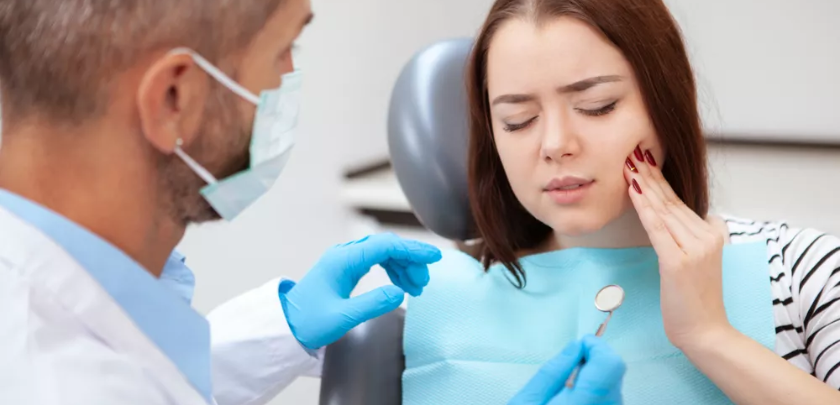
If symptoms point to a crack (pain when pressure is applied, temperature changes, swelling), manage it as a dental emergency. Call an emergency dentist in Aurora to be examined immediately. Comparatively, a minor, painless chip with no sharpness is usually not emergent, but still warrants a prompt visit to protect your bite and enamel. For sensitive chips or a piece of tooth missing, use emergency dental treatment in order to avoid further fracture and infection.
What to do at this moment (before being seen)
- Gently rinse with warm water to remove debris.
- Apply a cold compress to the cheek for swelling; do not use heat.
- Save the chipped tooth in milk or saline if a larger piece broke off.
- Avoid chewing on the injured side; avoid very hot, cold, or sticky foods.
- Use OTC (over-the-counter) pain relievers as directed; do not place aspirin on gums or teeth.
What a dentist can do—quick, accurate, and conservative
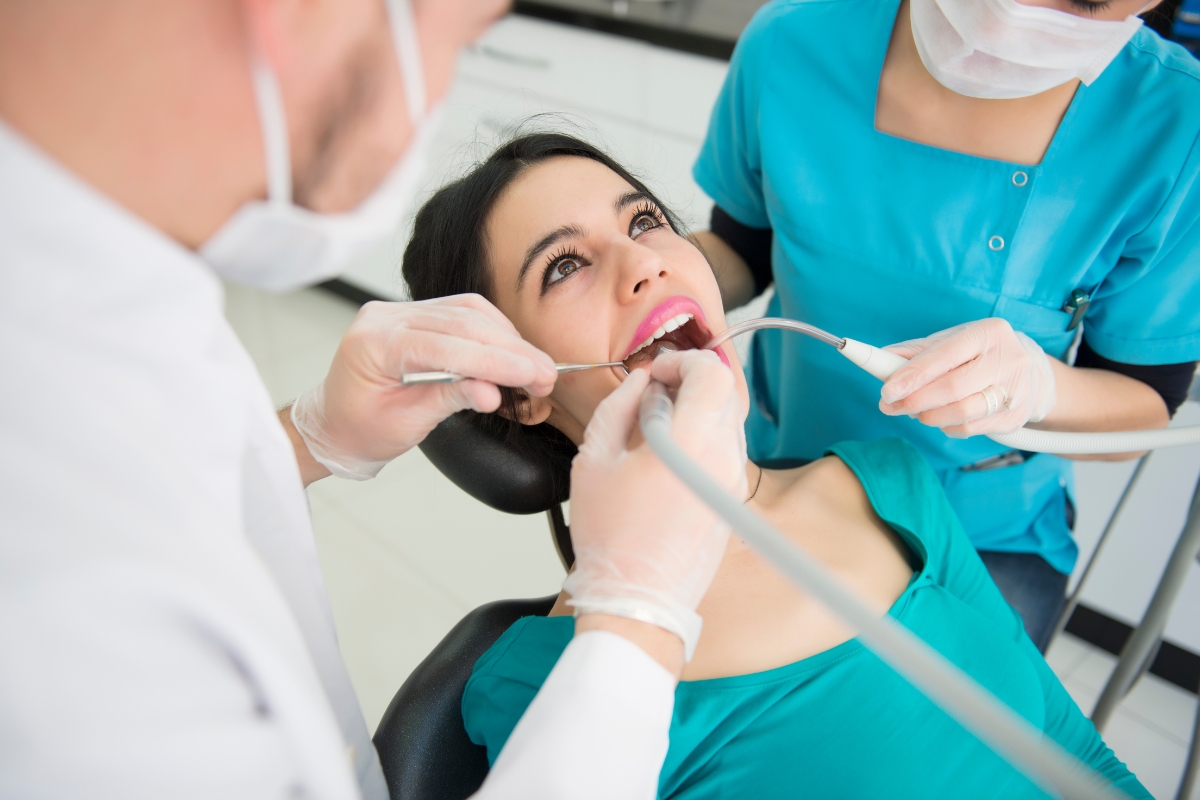
After a focused exam and radiograph, treatment matches the injury:
- Small chips: Polishing and smoothing, or bonding to reform.
- Moderate chips/cracks: Crowns or onlays to reinforce the structure and protect the occlusion, with tooth-colored fillings.
- Severe cracks or pulpal signs: Root canal to save the tooth, usually followed by a crown.
- Soft-tissue lacerations or loose teeth: Gentle repair, splinting if required, and infection management.
Small chips may mislead you; cracks never get better on their own. Early detection saves the enamel, the dentin underneath it, and the pulp, and it will make it easier to treat. Pain, swelling, or a change in bite requires same-day treatment. Office care as soon as possible generally will correct the problem better than an ER visit and get you back on track earlier.
Visit Young Dental Care for immediate evaluation and precise, gentle repair. Same-day visits are often available. Call now and maintain your smile.