Pay Online

Many Aurora parents ask the same question: are dental sealants and fluoride truly safe, or are they unnecessary chemicals? It is a fair concern, and Dr. Bindi Patel at Young Dental Care wants to give you a clear, honest answer. This article covers the science behind both treatments, addresses common worries, and helps you make an informed decision for your child. Dental Sealants and Fluoride: Safe Protection or Unnecessary Chemicals? Aurora families deserve real answers — not marketing speak.
What Are Dental Sealants and How Do They Work?
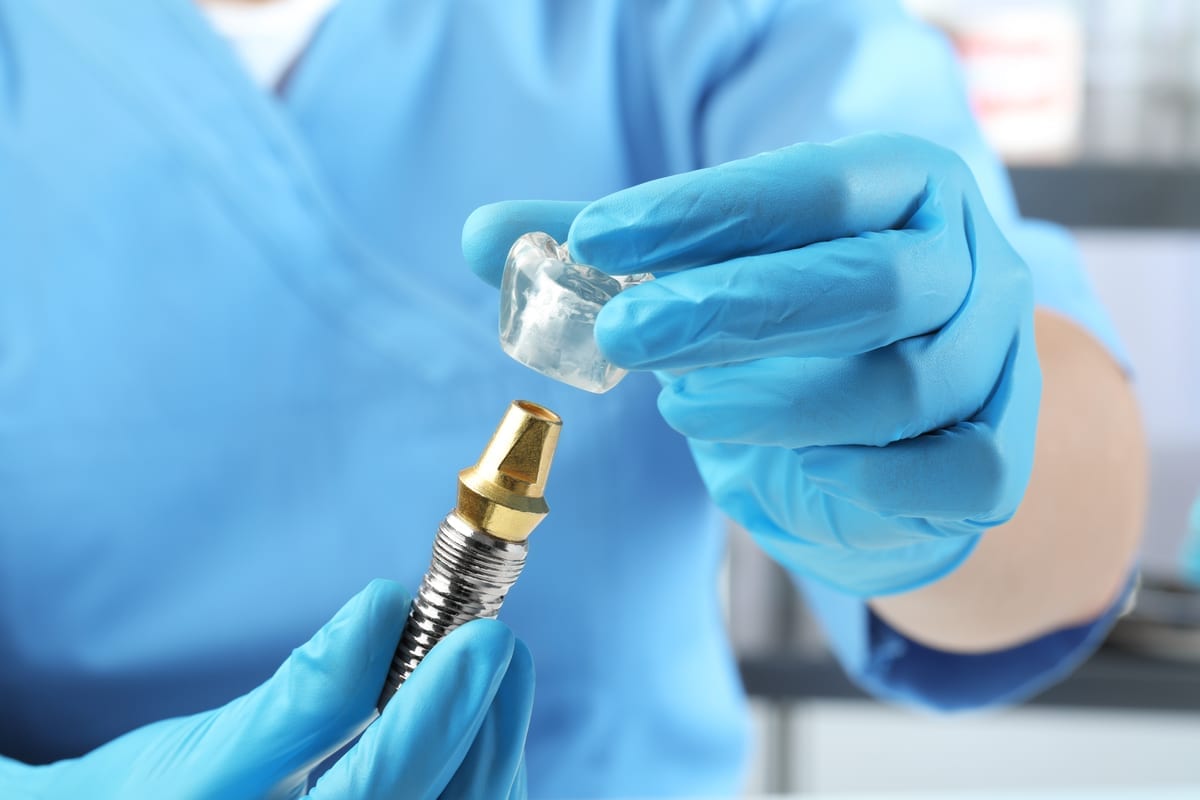
Dental sealants are thin, protective coatings painted onto the chewing surfaces of back teeth. They fill in the deep grooves where bacteria and food particles like to hide. Once applied, they create a smooth barrier that is far easier to clean with a toothbrush.
Children between ages 6 and 14 benefit most from sealants. This is when molars first erupt and cavities are most likely to form. The American Dental Association confirms sealants can reduce cavity risk by nearly 80 percent in back teeth.
The application process is quick and completely painless. No drilling is required, and no anesthesia is needed. The sealant simply bonds to the tooth surface and hardens under a curing light.
Is Fluoride Safe? What the Science Actually Says
Fluoride is a naturally occurring mineral found in soil, water, and many foods. It strengthens tooth enamel and makes teeth more resistant to acid attacks from bacteria. Decades of research confirm its safety at recommended levels.
The American Academy of Pediatrics, the CDC, and the World Health Organization all endorse community water fluoridation. Aurora’s water supply includes fluoride within EPA-approved limits. This level is carefully monitored to balance protection with safety.
Some parents worry about a condition called dental fluorosis. This refers to mild white spots that can appear if a child swallows too much fluoride during tooth development. However, fluorosis is largely cosmetic and occurs only with excessive fluoride intake — not from standard dental treatments or properly fluoridated water.
Fluoride toothpaste is safe for children when used in age-appropriate amounts. A rice-grain-sized smear is recommended for children under three. A pea-sized amount is appropriate for children ages three to six.
Addressing Parent Concerns About Chemicals and Safety in Aurora
Parents in Aurora often ask whether sealants contain harmful chemicals. Some older sealants contained trace amounts of BPA. However, most modern dental sealants use BPA-free formulations. The amount of BPA detected in older products was far below any level associated with health risks.
Scientific bodies including the FDA have reviewed sealant safety extensively. Their conclusion is consistent: the cavity-prevention benefit outweighs any theoretical risk. Untreated cavities can lead to pain, infection, and the need for more complex care like Restorative Dentistry.
Here is a helpful way to think about it. Cavities cause real, measurable harm to children’s teeth and overall health. Sealants and fluoride provide real, measurable protection. The risk of doing nothing is far greater than the minimal and theoretical risks of these treatments.
If your child ever experiences sudden dental pain or injury, prompt care from Emergency Dentistry can prevent the situation from worsening.
Benefits of Dental Sealants and Fluoride for Children
Both treatments work best as part of a broader preventive strategy. When combined with regular brushing, flossing, and dental checkups, they dramatically reduce the chance of cavities. Here are the key advantages families in Aurora should know:
- Cavity prevention: Sealants block bacteria from settling in molar grooves where cavities most commonly form.
- Enamel strengthening: Fluoride rebuilds weakened enamel through a process called remineralization.
- Pain-free application: Neither sealants nor fluoride treatments involve needles or drilling.
- Long-lasting protection: Sealants can last up to 10 years with proper care and regular monitoring.
- Cost-effective care: Preventing a cavity is always simpler and less involved than treating one.
- Age-appropriate safety: Both treatments are extensively studied in pediatric populations and considered safe by major health organizations.
What to Expect During a Sealant or Fluoride Visit at Young Dental Care
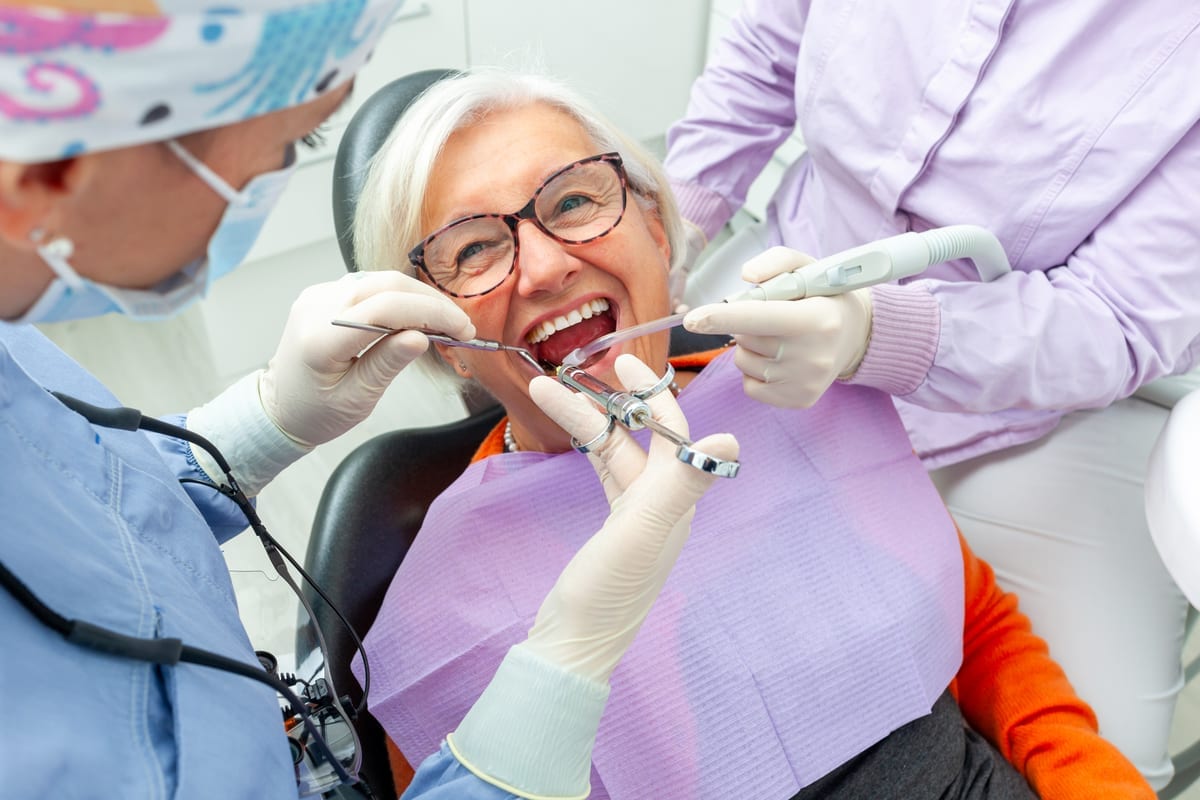
Your child’s visit with Dr. Bindi Patel at Young Dental Care in Aurora will be comfortable and efficient. Here is a simple overview of what happens during a preventive visit that includes sealants or fluoride:
- Teeth cleaning: A hygienist removes plaque and debris so the sealant or fluoride can bond properly.
- Teeth drying: Each tooth is dried and isolated with absorbent material to keep it moisture-free.
- Sealant application: A gel is briefly applied to slightly roughen the surface, then rinsed. The liquid sealant is painted on and hardened with a curing light.
- Fluoride treatment: A fluoride varnish or gel is applied to all tooth surfaces and left to absorb for a short period.
- Aftercare instructions: Your child should avoid eating or drinking for about 30 minutes after fluoride treatment.
The entire process typically takes under an hour. Most children handle it very well, especially when the dental team takes time to explain each step in a friendly, age-appropriate way.
Conclusion: Balanced, Science-Based Protection for Aurora Families
Dental sealants and fluoride are not unnecessary chemicals — they are evidence-based tools that have protected children’s teeth for decades. The science is clear, the safety record is strong, and the benefits are well-documented. Dr. Bindi Patel and the team at Young Dental Care believe every family deserves transparent, honest guidance. When you have questions, we are here to answer them with patience and care. Book Now to schedule your appointment with our team.
Frequently Asked Questions
At what age should my child get dental sealants?
Most dentists recommend sealants when a child’s first permanent molars come in, typically around age 6. A second set of molars usually arrives around age 12, and sealants are recommended for those teeth as well. Early application offers the most protection during the cavity-prone years.
Can adults benefit from dental sealants too?
Yes, adults can receive sealants if their back teeth have deep grooves and no existing fillings or decay. Sealants are most commonly associated with children, but they offer real benefits to adults who are at higher risk for cavities. Dr. Bindi Patel can assess whether sealants are appropriate during a routine exam.
Is fluoride in drinking water the same as fluoride treatments at the dentist?
Both involve the same mineral, but they work differently. Community water fluoridation provides low, continuous systemic exposure that benefits developing teeth. Professional fluoride treatments use higher concentrations applied directly to the tooth surface for targeted enamel reinforcement. Together, they offer layered protection.
How long do dental sealants last?
Dental sealants can last up to 10 years with proper care. However, they can chip or wear down over time, especially with heavy chewing or teeth grinding. Your dentist will check the condition of existing sealants at each visit and reapply them if needed.
Are there any side effects from fluoride treatments?
Fluoride treatments at the dentist are very safe when used as directed. The most common instruction is to avoid eating or drinking for 30 minutes after application. In rare cases, swallowing large amounts of fluoride can cause mild stomach upset. This is easily avoided by following the aftercare guidance your dental team provides.