Pay Online
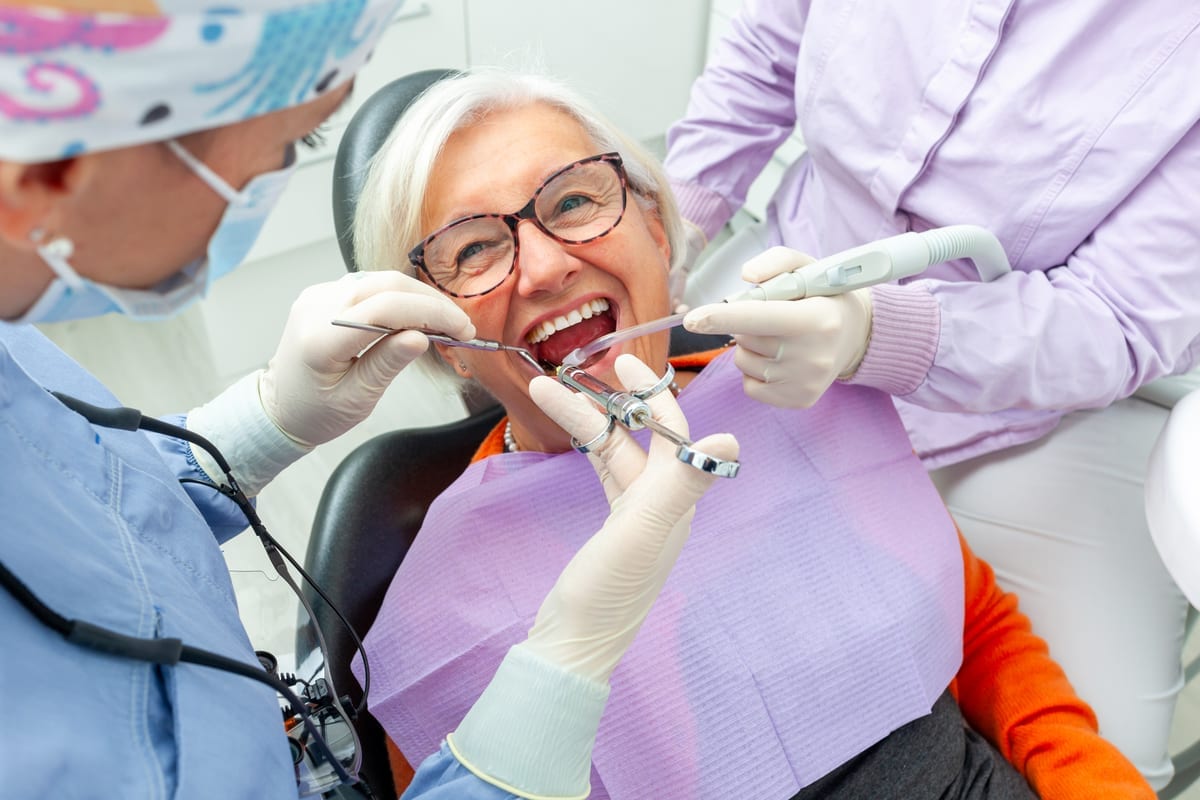
If you have a missing tooth, a dental bridge may be exactly what you need. Your first dental bridge appointment — what to expect and how to prepare in Aurora — is probably on your mind right now. At Young Dental Care, Dr. Bindi Patel makes the entire process clear and stress-free. This guide walks you through everything from your initial consultation to leaving the office with confidence.
What Is a Dental Bridge and Why Might You Need One?
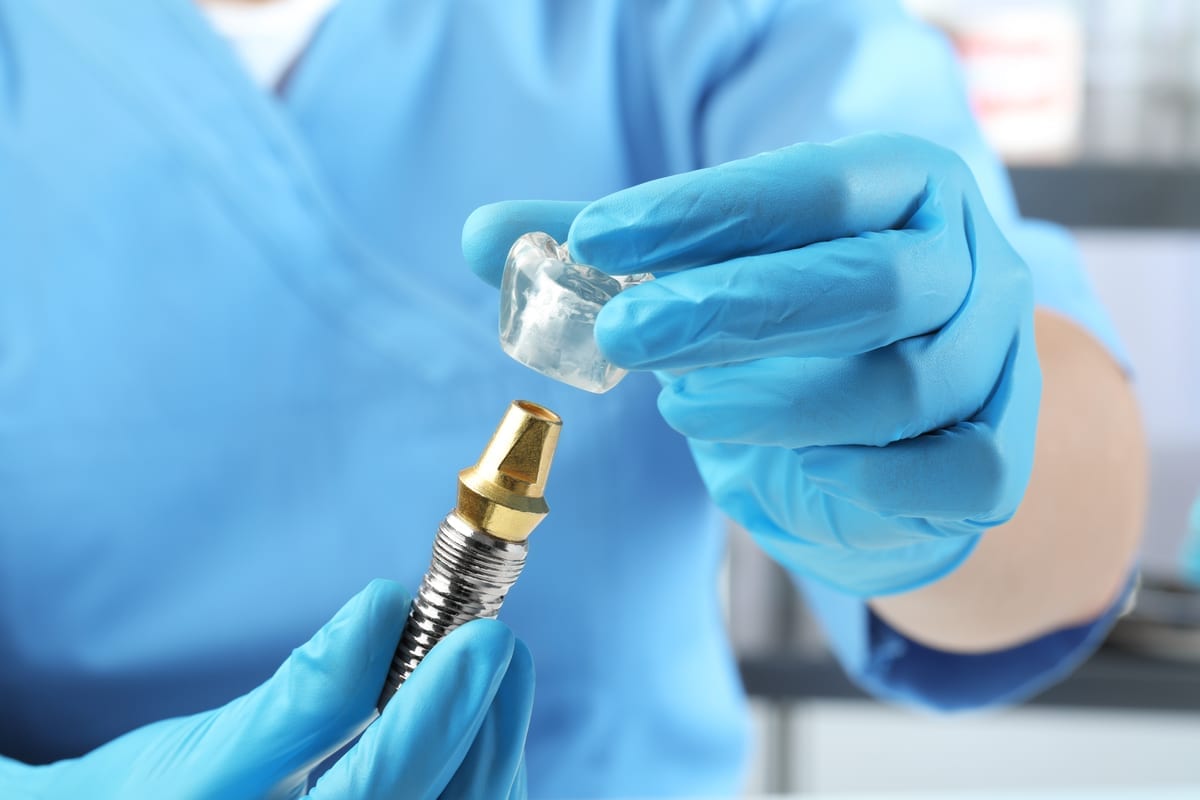
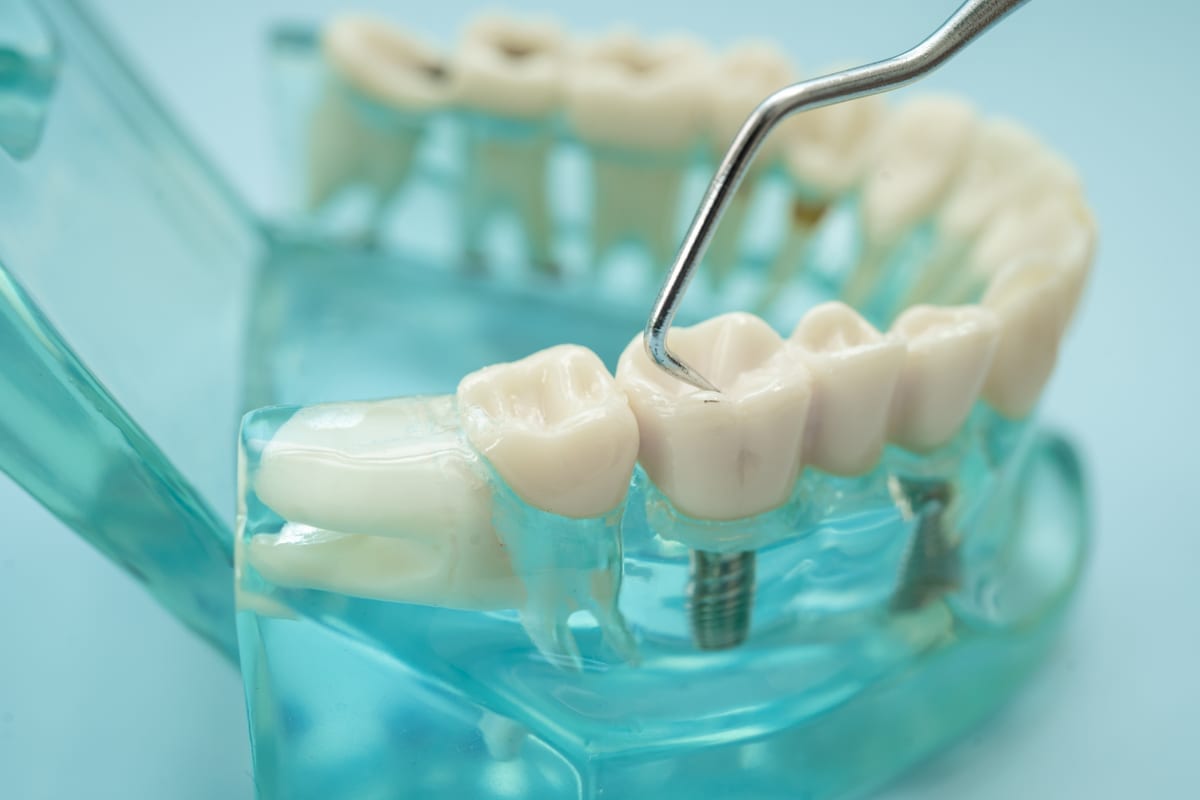
A dental bridge literally bridges the gap left by one or more missing teeth. It consists of one or more artificial teeth, called pontics, anchored by crowns on neighboring teeth. Bridges restore your smile, improve chewing function, and prevent surrounding teeth from shifting out of place.
Missing teeth affect more than your appearance. They can change how you speak, make eating uncomfortable, and put extra stress on remaining teeth. A bridge is a durable, non-removable solution that blends naturally with your smile.
At Young Dental Care in Aurora, Dr. Patel uses modern materials and techniques to craft bridges that look and feel like natural teeth. Many patients are surprised by how comfortable and realistic the final result feels.
How to Prepare for Your First Dental Bridge Appointment in Aurora
Preparation makes a big difference in how smoothly your first visit goes. Here are practical steps to take before you arrive at our Aurora office:
- Write down any questions or concerns you want to ask Dr. Patel
- Note any medications, vitamins, or supplements you currently take
- Bring a list of any known allergies, especially to dental materials or anesthetics
- Eat a light meal beforehand — you may receive local anesthesia during the visit
- Arrange a ride home if you feel anxious about dental procedures or anticipate sedation
- Arrive 10 to 15 minutes early to complete any new patient paperwork
Being prepared helps Dr. Patel tailor the appointment to your specific needs. The more information you share, the better your care will be.
What Happens During Your First Dental Bridge Appointment
Your first appointment typically involves two key phases: a thorough examination and preparation of the anchor teeth. Understanding each phase helps reduce anxiety before you arrive.
Phase One — Examination and X-Rays
Dr. Patel will begin with a comprehensive oral exam. She will take digital X-rays to assess bone health and evaluate the condition of the teeth surrounding the gap. This step ensures a bridge is the right solution for your situation.
Phase Two — Tooth Preparation
If a bridge is the right choice, Dr. Patel will reshape the two anchor teeth on either side of the gap. This creates space for the crowns that will hold the bridge in place. Local anesthesia keeps the process comfortable throughout.
After shaping, she will take impressions of your teeth. These impressions go to a dental lab, where your custom bridge is crafted. You will receive a temporary bridge to protect the prepared teeth while you wait.
The steps in a typical first bridge appointment look like this:
- Welcome, paperwork review, and health history discussion
- Digital X-rays and oral examination
- Treatment plan review and questions answered
- Local anesthesia administered for comfort
- Anchor teeth shaped and prepared
- Impressions taken for the dental lab
- Temporary bridge placed
- Follow-up appointment scheduled for permanent bridge placement
What to Expect After Your First Appointment
Once your first visit wraps up, your custom bridge will take one to two weeks to fabricate. During that time, your temporary bridge protects your prepared teeth and maintains your smile’s appearance.
You may experience mild sensitivity or soreness around the prepared teeth for a few days. This is completely normal and typically resolves quickly. Over-the-counter pain relievers and soft foods can help during this adjustment period.
At your follow-up appointment, Dr. Patel will remove the temporary bridge and bond the permanent one in place. She will check your bite carefully and make any adjustments needed for a perfect, comfortable fit.
Proper care extends the life of your bridge significantly. Brushing twice daily, flossing with a bridge threader or floss pick, and scheduling regular cleanings at Young Dental Care keep your bridge in excellent shape for many years.
Dental Bridges as Part of Your Complete Smile Care in Aurora
A dental bridge is one of several restorative options available at Young Dental Care. Dr. Patel also provides dental implants, dentures, and dental crowns to address a wide range of tooth loss situations. She will recommend the solution that best fits your oral health, lifestyle, and long-term goals.
Restorative care often works hand-in-hand with preventive and cosmetic services. Patients interested in brightening or improving their full smile can also explore Cosmetic Dentistry Aurora options available at our practice. A healthy, complete smile is always the foundation of any cosmetic enhancement.
Young Dental Care is also proud to serve patients of all ages. From children visiting for their first checkup to adults managing complex dental needs, our team provides compassionate, comprehensive care. Learn about our Family Dentistry Aurora services and how we can care for every member of your household.
Dr. Patel believes every patient deserves to understand their treatment fully. She takes time to explain each step, answer your questions honestly, and make sure you feel confident about your care decisions.
Conclusion: Ready to Take the First Step Toward a Complete Smile?
Getting a dental bridge does not have to feel overwhelming. With the right preparation and a caring team by your side, the process is straightforward and rewarding. Dr. Bindi Patel and the Young Dental Care team in Aurora are here to guide you from your very first appointment through your final, confident smile. Book Now to schedule your appointment with our team.
Frequently Asked Questions
How long does a dental bridge last?
With proper care, a dental bridge typically lasts between 10 and 15 years. Regular cleanings, good oral hygiene habits, and avoiding hard or sticky foods help extend its lifespan significantly.
Is getting a dental bridge painful?
Most patients experience little to no pain during the procedure. Dr. Patel uses local anesthesia to keep the area numb throughout tooth preparation. Mild soreness afterward is normal and usually fades within a few days.
How many appointments does a dental bridge require?
A traditional dental bridge typically requires two appointments. The first visit involves examination and tooth preparation. The second visit, usually one to two weeks later, is when the permanent bridge is placed and adjusted.
Can I eat normally with a dental bridge?
Yes, most patients eat comfortably with a bridge once it is fully placed. During the temporary bridge phase, it is best to stick to softer foods. After the permanent bridge is bonded, most foods are fine to enjoy.
Is a dental bridge better than a dental implant?
Both are excellent options depending on your specific situation. Implants replace the tooth root, while bridges rely on neighboring teeth for support. Dr. Patel will evaluate your bone health, oral condition, and goals to recommend the best option for you.