Pay Online

If your dentist recently told you that you need a crown, you may have left the office with questions. Why a crown? Why not a filling? Understanding why your dentist recommended a crown — common reasons explained for Aurora patients — can help you feel confident about moving forward. At Young Dental Care, Dr. Bindi Patel takes time to explain every recommendation clearly. This article walks you through the most common clinical reasons a crown becomes necessary.
What Is a Dental Crown and What Does It Do?
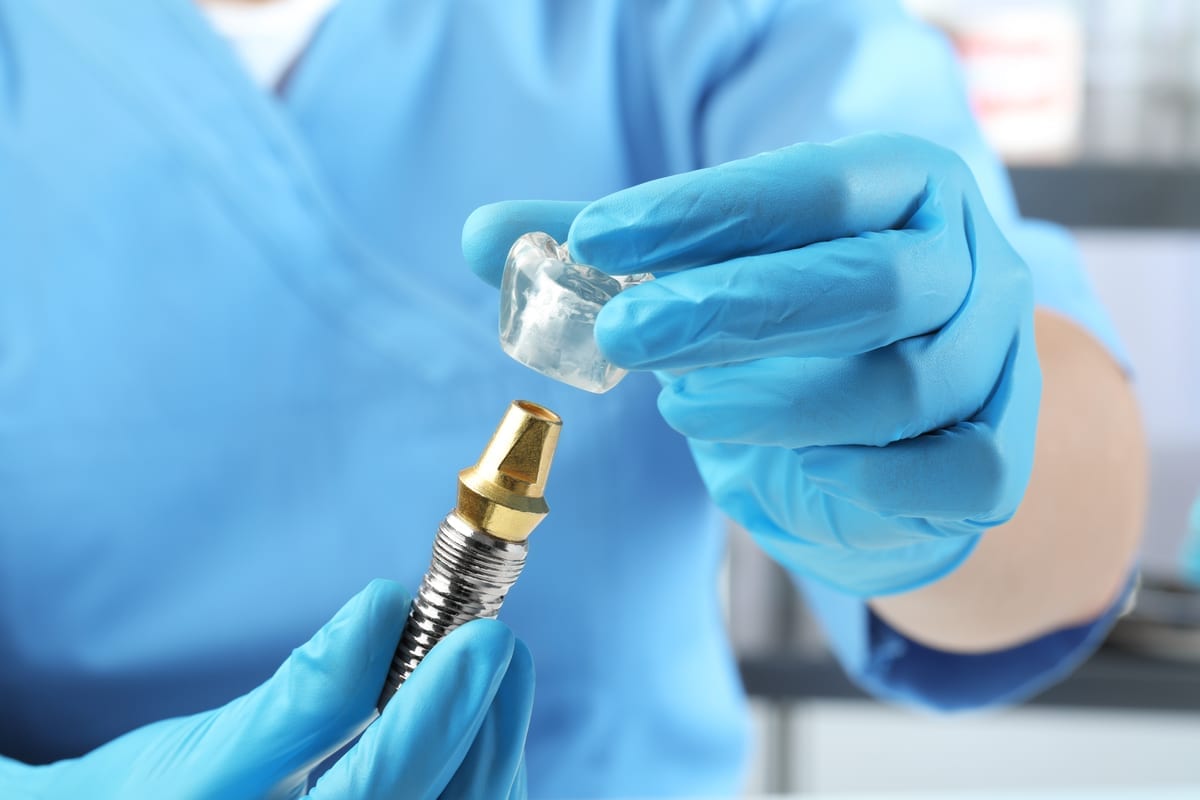
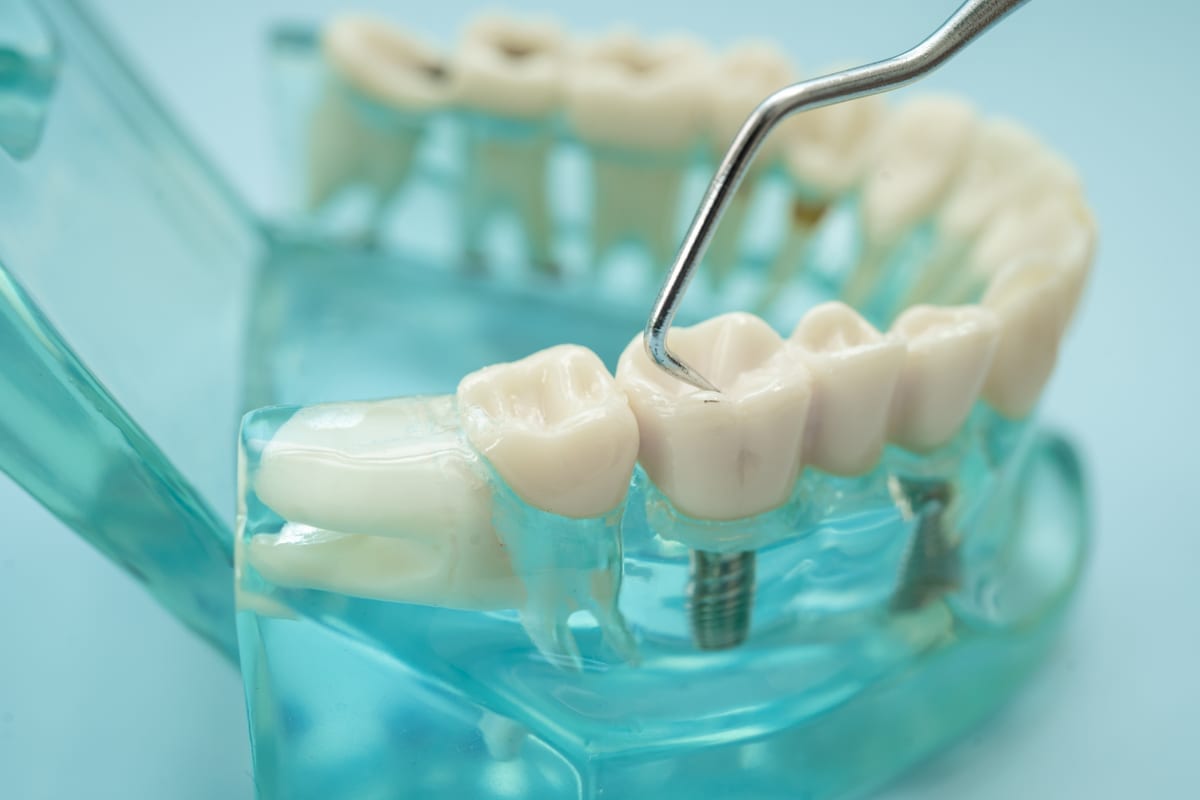
A dental crown is a cap that fits over a damaged or weakened tooth. It restores the tooth’s shape, strength, and appearance. Crowns are custom-made to match your surrounding teeth. They protect the tooth from further damage while allowing you to bite and chew normally.
Crowns are not cosmetic upgrades — they are clinical solutions. Dentists only recommend them when a tooth cannot be saved or stabilized any other way. Think of a crown as a long-term investment in keeping your natural tooth. In many cases, skipping a crown leads to a more serious problem later on.
At Young Dental Care in Aurora, IL, our team uses crowns as part of a broader commitment to Family Dentistry Aurora — keeping every family member’s smile healthy for the long term.
Common Reason #1: A Cracked Tooth
A cracked tooth is one of the most frequent reasons Dr. Patel recommends a crown. Cracks can develop from grinding, biting hard foods, or an old injury. Many cracks are not visible to the naked eye. A cracked tooth may cause sharp pain when you bite down or sensitivity to temperature.
The danger with cracks is that they spread. A small crack today can split the entire tooth if left untreated. A crown holds the tooth together and prevents the crack from worsening. It distributes biting pressure evenly so the crack does not deepen.
Not every crack means a crown right away. But when a crack reaches the inner layer of the tooth, a crown is usually the best option. Your dentist evaluates the depth and direction of the crack before making a recommendation.
Common Reason #2: A Large Filling Has Failed
Old or large fillings eventually wear out. When a filling covers more than half the tooth’s surface, it may not hold up over time. The tooth structure around a large filling can weaken and begin to break down. At that point, a filling replacement is no longer enough.
A crown replaces the old filling and covers the entire visible tooth. It provides full structural support that a new filling simply cannot offer. This is especially common with older silver amalgam fillings that have been in place for many years. Dr. Patel may spot this issue during a routine exam before you even notice symptoms.
- Large fillings that cover most of the chewing surface are high-risk for failure
- Cracks often form around old, oversized fillings
- A crown prevents the need for an extraction later on
- Crowns extend the life of a tooth that has had repeated dental work
Common Reason #3: After a Root Canal
Root canal treatment saves an infected tooth by removing the damaged inner tissue. However, the procedure leaves the tooth more brittle than before. A tooth without its inner pulp does not receive the same nourishment. Over time, it can become dry and prone to fracturing.
Placing a crown after a root canal is a standard step in the treatment process. It seals the tooth and protects it from breaking under normal chewing pressure. Back teeth, which handle most of the biting force, almost always need a crown after a root canal. Front teeth may sometimes be handled differently, but Dr. Patel will advise you based on your specific situation.
Skipping the crown after a root canal is a common mistake. Without protection, the treated tooth can crack and may eventually need to be extracted. The crown is what turns a root canal into a lasting solution.
Common Reason #4: A Broken or Missing Cusp
Tooth cusps are the pointed edges on the chewing surface of your back teeth. They can break off due to decay, old fillings, trauma, or biting something hard. A broken cusp leaves the tooth uneven and exposed. It can cause pain and make chewing difficult.
When a cusp breaks, a filling is usually not enough to restore it properly. The remaining tooth structure may not support a filling on its own. A crown rebuilds the full shape of the tooth and restores normal function. It also protects the exposed area from bacteria and sensitivity.
- Broken cusps are more common in teeth with existing large fillings
- The sharp edge of a broken cusp can irritate the tongue or cheek
- A crown restores proper bite alignment
- Without treatment, the broken area can decay quickly
What to Expect During the Crown Process at Young Dental Care
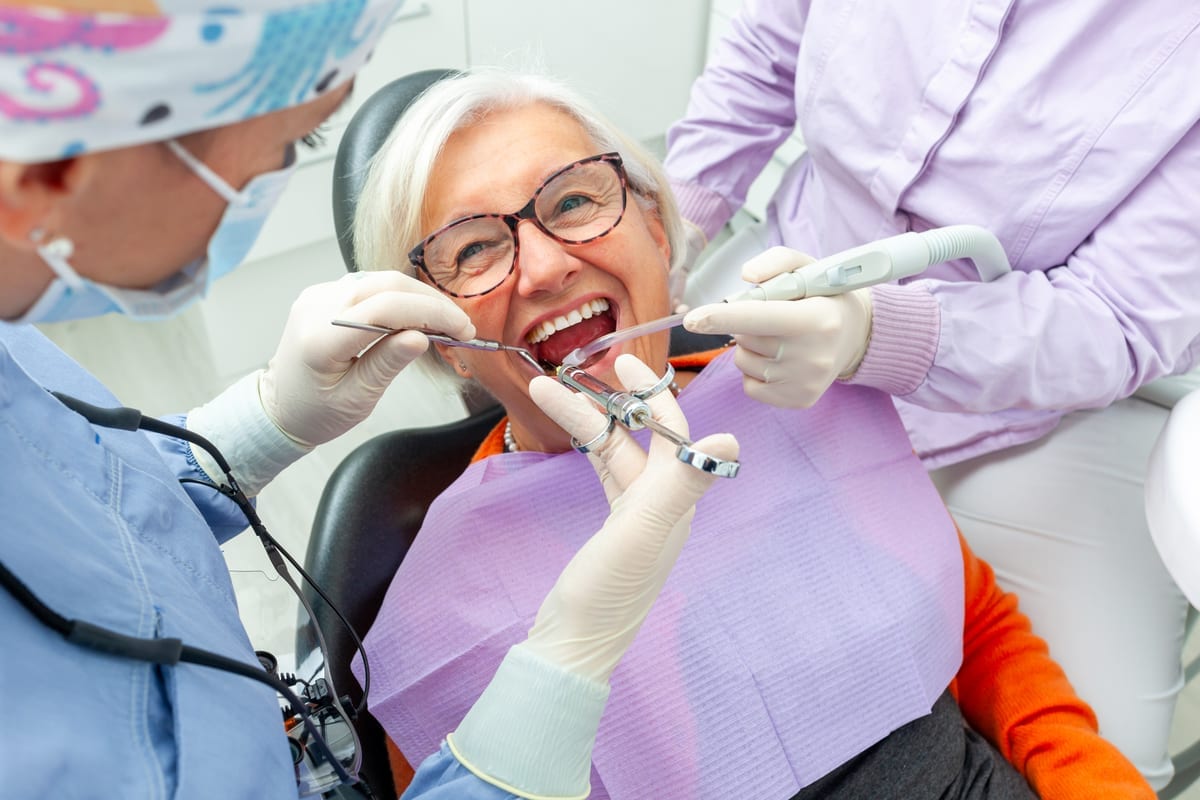
Getting a crown typically requires two visits to our Aurora, IL office. During the first visit, Dr. Patel prepares the tooth by reshaping it slightly. She takes an impression or digital scan so the crown fits perfectly. A temporary crown protects the tooth while the permanent one is made.
At the second visit, the permanent crown is placed and checked for fit and bite. The process is straightforward and comfortable. Local anesthesia is used during preparation, so you should not feel pain. Most patients return to normal activity right after their appointment.
Crowns can also be part of broader smile restoration. Our team offers Cosmetic Dentistry Aurora services that pair beautifully with crown placement when aesthetics are a priority.
How Long Does a Crown Last?
A well-placed crown can last 10 to 15 years or longer. The lifespan depends on the material used, your oral hygiene habits, and whether you grind your teeth. Porcelain crowns look natural but may wear faster under heavy grinding. Metal and porcelain-fused-to-metal crowns offer more durability for back teeth.
Caring for a crown is simple. Brush and floss around it just like a natural tooth. Avoid chewing ice or very hard foods. Visit Young Dental Care regularly so Dr. Patel can monitor the crown and the surrounding gum tissue.
Conclusion: Trust the Recommendation
When your dentist recommends a crown, it is always based on clinical evidence — not a guess. Whether you have a cracked tooth, a failing filling, a post-root-canal tooth, or a broken cusp, a crown is often the most reliable way to preserve your smile. Dr. Bindi Patel and the team at Young Dental Care in Aurora, IL are here to answer every question and walk you through your options with care and honesty. Book Now to schedule your appointment with our team.
Frequently Asked Questions
Does getting a crown hurt?
The preparation appointment uses local anesthesia, so you should feel minimal discomfort during the procedure. Some sensitivity is normal after the numbness wears off, but it typically fades within a few days. Dr. Patel takes care to make the process as comfortable as possible for every patient.
Can I wait before getting a crown my dentist recommended?
Delaying a recommended crown can lead to more serious problems. A cracked or weakened tooth may break further or become infected. In some cases, waiting too long means the tooth can no longer be saved with a crown at all. It is best to schedule the procedure as soon as you are ready.
Why can’t a large filling replace a crown?
A filling relies on the surrounding tooth structure for support. When too much of that structure is missing or weakened, a filling does not provide enough stability. A crown covers the entire tooth and distributes biting force more evenly. This is why crowns are recommended when fillings are no longer sufficient.
How do I know if my crown needs to be replaced?
Signs that a crown may need attention include pain, sensitivity, visible cracks, or a loose feeling. Sometimes the crown looks fine but the margin between the crown and gum has broken down. Regular check-ups at Young Dental Care allow Dr. Patel to catch issues early before they become bigger problems.
Are crowns only for back teeth?
No — crowns can be placed on any tooth. Back teeth are more commonly crowned because they handle the most chewing pressure. Front teeth may also need crowns after root canals, trauma, or significant decay. Dr. Patel recommends the right type of crown based on the tooth’s location and function.