Pay Online

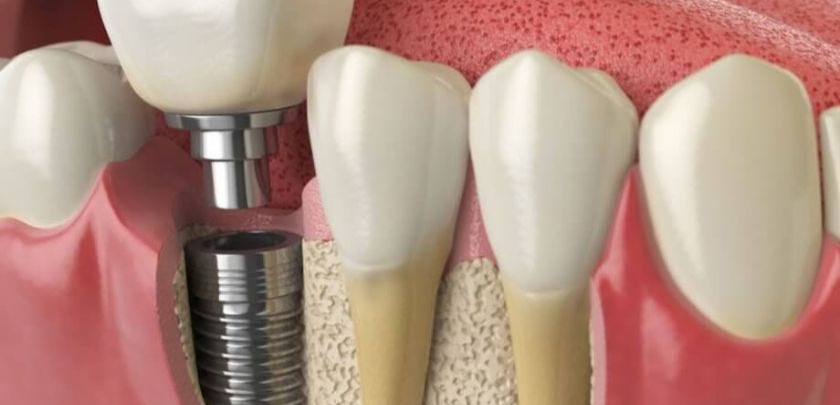
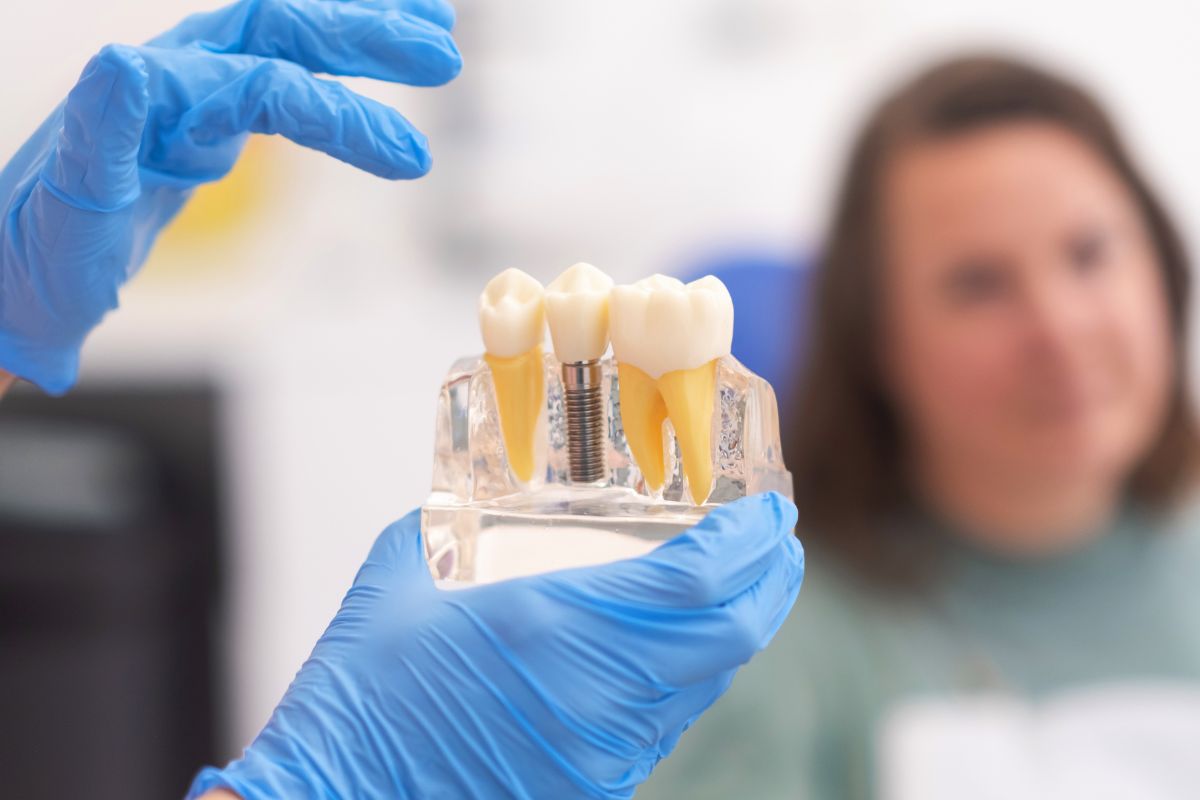
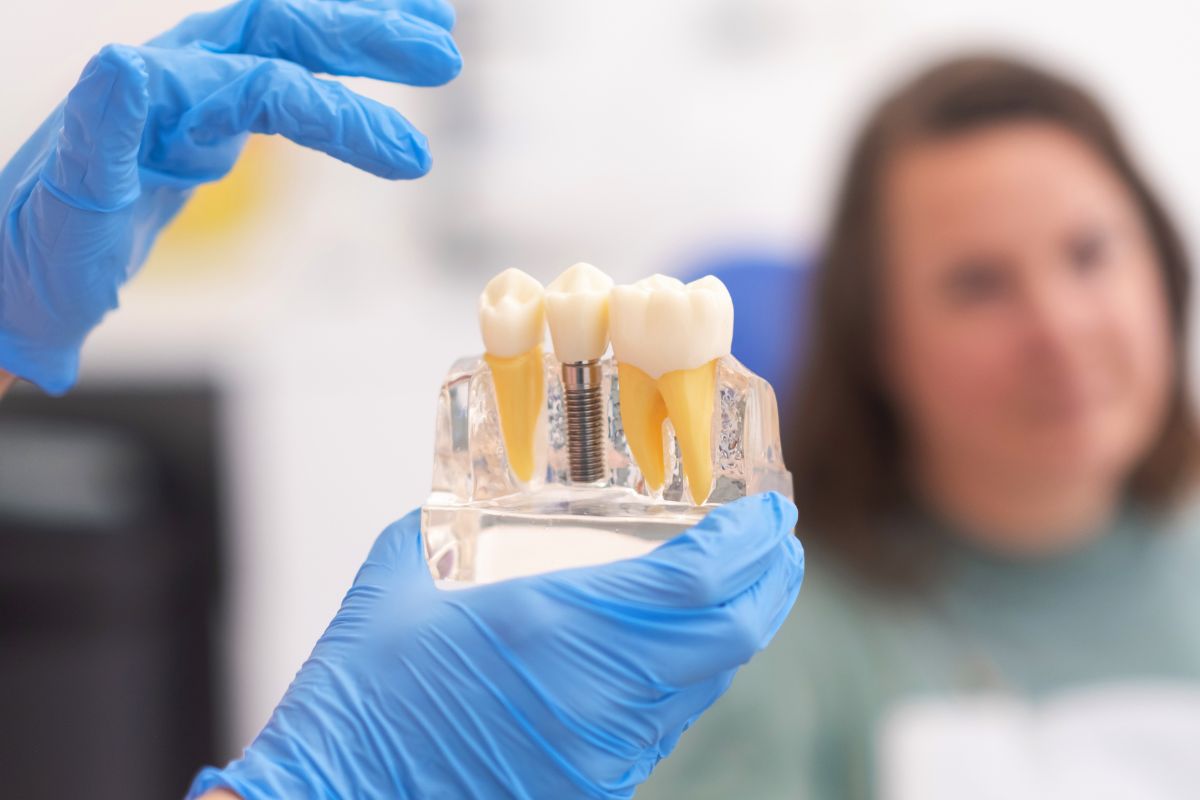
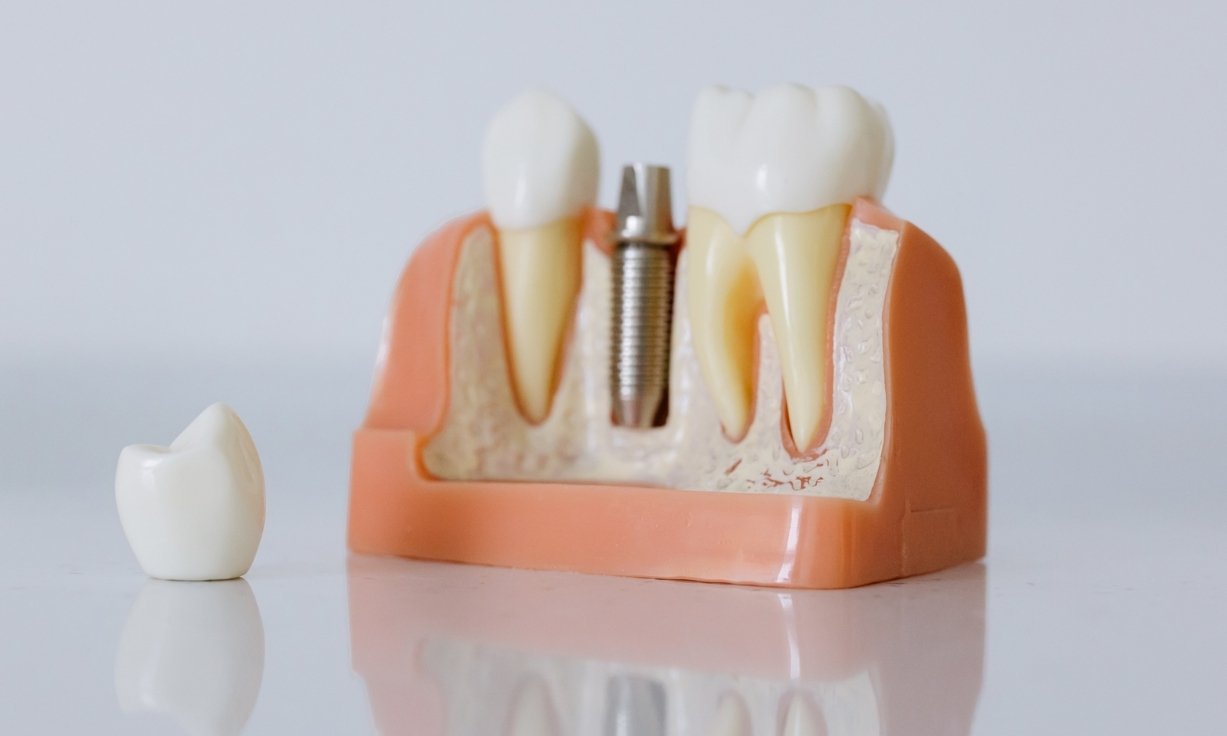
Dental implants have revolutionized restorative dentistry by providing a durable and aesthetically pleasing solution for missing teeth. They offer the closest resemblance to natural teeth in terms of function and appearance. However, like any medical procedure, dental implants have their challenges, including the risk of failure. Understanding these risks and implementing strategies to mitigate them is crucial for the success of dental implants.
Understanding Dental Implant Failure
Early vs. Late Failure
- Early Failure: Occurs within the first few months after placement, often due to improper osseointegration, infection, or inadequate healing.
- Late Failure: Can occur years after the procedure, typically resulting from peri-implantitis, mechanical failures, or systemic health issues.
Common Causes of Failure
- Infection: Bacterial infections such as peri-implantitis can lead to bone loss and implant instability.
- Poor Osseointegration: Failure of the implant to properly bond with the jawbone can result from poor bone quality, incorrect placement, or immediate loading.
- Lifestyle Factors: Smoking, poor oral hygiene, and certain systemic diseases like diabetes can adversely affect implant success.
- Mechanical Issues: Breakage of the implant or the abutment can lead to failure.
- Overloading: Excessive force or premature loading can prevent proper healing.
Prevention Strategies
Pre-Operative Planning
- Comprehensive Assessment: A thorough examination, including dental history, oral health status, and bone density tests, to assess candidacy.
- Customized Treatment Planning: Tailoring the procedure to individual needs and addressing potential risk factors upfront.
During Surgery
- Sterile Technique: Ensuring a clean surgical environment to minimize infection risk.
- Proper Technique: Accurate placement and handling by an experienced dental surgeon can reduce the risk of mechanical failures.
Post-Operative Care
- Follow-Up Appointments: Regular check-ups to monitor healing and intervene early if issues arise.
- Patient Education: Instructing patients on proper oral hygiene, smoking cessation, and dietary recommendations to support implant success.
Role of Dental Professionals
Dentists and oral surgeons play a pivotal role in the prevention of dental implant failures through:
- Continuous Education: Staying updated with the latest techniques and materials in implant dentistry.
- Patient Selection: Carefully selecting candidates for dental implants based on health conditions and lifestyle factors.
- Skillful Execution: Precision in surgical techniques and customization of treatment plans.
Patient Guidelines for Implant Care
Patients must be proactive in their implant care, including:
- Oral Hygiene: Regular brushing, flossing, and the use of antiseptic mouthwash to prevent infection.
- Regular Dental Visits: For professional cleaning and monitoring of the implant’s condition.
- Avoiding Harmful Habits: Quitting smoking and avoiding hard foods that can damage the implant.
Latest Advances in Implantology
Technological advancements play a crucial role in reducing failure rates, including:
- Improved Materials: Development of biocompatible materials that enhance osseointegration.
- Advanced Imaging Techniques: Better planning and placement of implants through 3D imaging.
- Innovative Surgical Techniques: Minimally invasive procedures that reduce healing time and risk of infection.
While dental implants offer a promising solution for tooth loss, their success heavily relies on a combination of meticulous planning, skilled execution, and dedicated aftercare. Both dental professionals and patients have roles to play in ensuring the longevity of dental implants. By understanding the causes of failure and adhering to preventative strategies, the risk of complications can be significantly reduced, leading to a higher success rate and long-term satisfaction with dental implants.