Pay Online
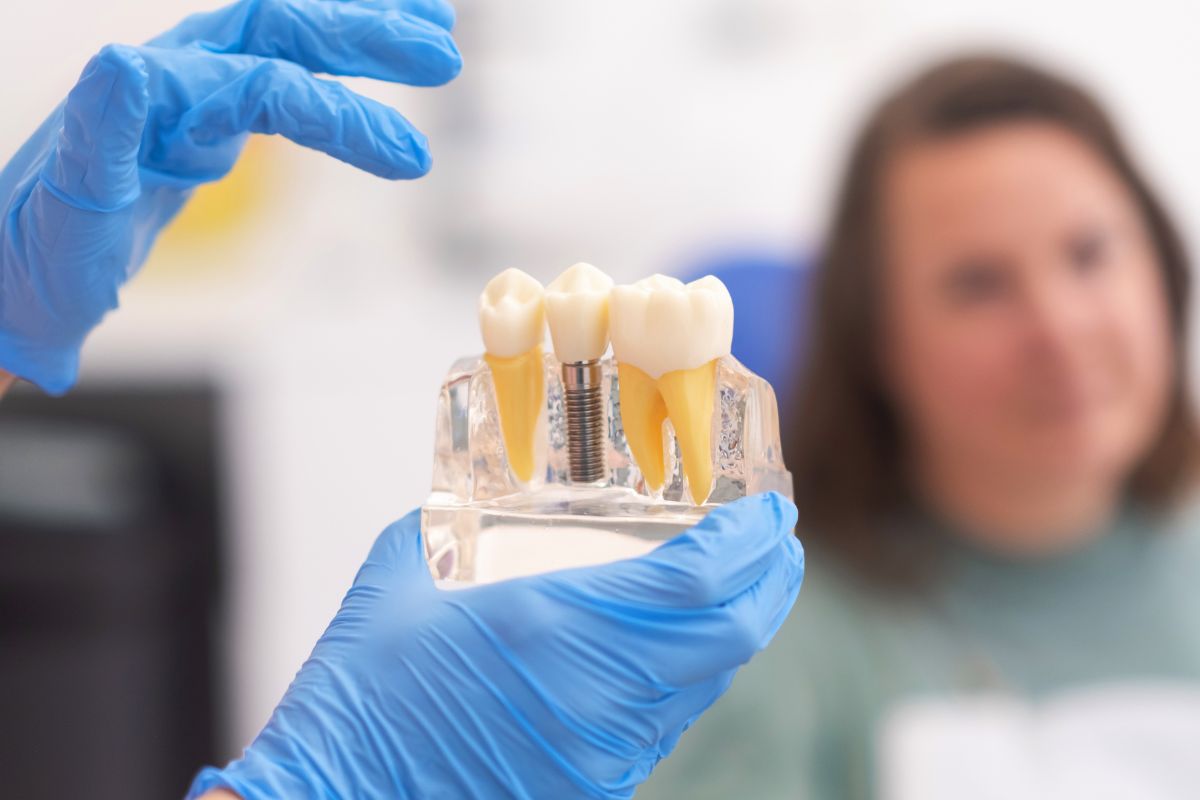
Many adults assume implants come with an age cutoff. That belief does not reflect how modern dentistry works. The real question is not your age. It is the condition of your oral health and overall wellness.
If you have been living with missing teeth for years, you may wonder if you waited too long. This blog clears that confusion. It explains what truly determines eligibility and why timing matters more than birthdays.
At Young Dental Care, our team evaluates each patient individually using advanced imaging and a practical approach. In communities like yours, where people value long-term health and active lifestyles, replacing missing teeth can support daily comfort and confidence. If you have considered dental implants, understanding your options now can make a meaningful difference in your outcome.
Dental Implants Do Not Have a Fixed Age Limit
There is no strict upper age limit for implants. Patients in their sixties, seventies, and even eighties often qualify. What matters most is whether your mouth and body can support healing and long-term stability.
Bone health plays a central role. Implants rely on the jawbone to anchor securely. If the bone is strong enough, the foundation can support long-term success. Even when some bone loss exists, modern techniques can often rebuild what is needed.
Gum condition is equally important. Healthy gums create a stable environment around the implant. If gum disease is present, it usually needs to be treated first. Once the gums are stable, many patients can still move forward.
Your overall medical stability also matters. Conditions like diabetes or certain medications can affect healing. However, these do not always prevent treatment. They simply require careful planning and coordination.
In reality, many older adults are excellent candidates. They often commit to care routines and follow instructions well, which supports long-term outcomes. Age alone does not close the door. The right evaluation opens it.
What Actually Determines If You Can Get Dental Implants
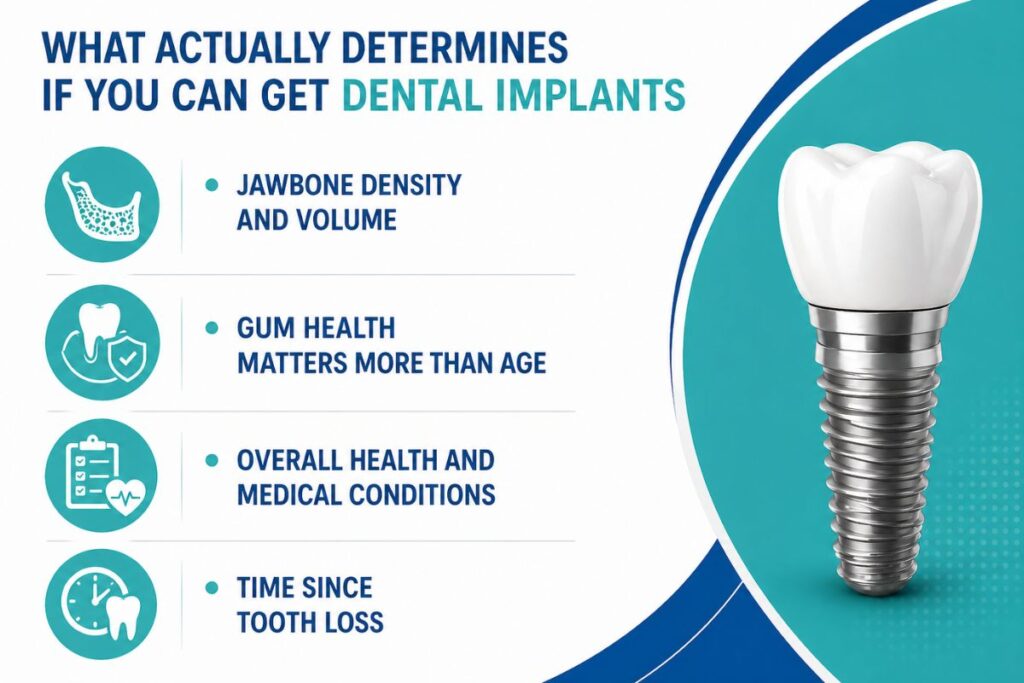
Jawbone Density and Volume
Your jawbone acts as the base that holds the implant in place. When a tooth is lost, the bone in that area can shrink over time. This process begins sooner than most people expect. Without stimulation from a tooth root, the body gradually reduces bone in that space.
The good news is that reduced bone does not always rule out treatment. Modern imaging allows precise measurement of bone volume. In many cases, rebuilding options can restore enough placement support.
Gum Health Matters More Than Age
Healthy gums protect and stabilize the dental implants in Aurora. If gum disease is present, it can interfere with healing and long-term success. Red, swollen, or bleeding gums should be addressed before moving forward.
Once gum health is restored, many patients regain eligibility. This is why regular evaluations matter. Early detection keeps options open and reduces complications later.
Overall Health and Medical Conditions
Your body’s ability to heal affects outcomes. Conditions like diabetes, smoking habits, or certain medications can influence recovery. These factors do not automatically disqualify you. They simply require a tailored plan.
A careful review of your medical history helps the team adjust the approach. With the right preparation, many patients with controlled conditions proceed successfully.
Time Since Tooth Loss
The longer a tooth has been missing, the more likely it is that bone shrinkage has occurred. This can make placement more complex. However, it does not mean treatment is no longer possible.
Advanced solutions can often address these challenges. Acting sooner helps preserve bone, but even long gaps can be managed with the right strategy.
Is It Ever Truly Too Late for Dental Implants?
In most cases, it is rarely too late. However, treatment may become more complex over time. Severe bone loss can require additional procedures before placement. Uncontrolled medical conditions may delay or limit options until stabilized.
The key point is this. “Too late” is uncommon. “More involved” is more accurate. With modern techniques, many challenges that once prevented treatment can now be addressed.
Instead of focusing on limitations, it helps to focus on solutions. Bone rebuilding, careful planning, and staged treatment approaches allow more patients to qualify than ever before.
If you have been told in the past that you were not a candidate, it may be worth a second evaluation. Dentistry continues to evolve. What was not possible years ago may now be achievable with improved methods and technology.
Options If You Were Told You Are Not a Candidate
Bone Grafting to Rebuild Support
Bone grafting helps restore lost bone in areas where support is not sufficient. This process encourages new bone growth and creates a stronger foundation. After healing, many patients become eligible for placement.
Sinus Lift for Upper Jaw Implants
In the upper jaw, especially near the back teeth, bone height can be limited due to the sinus area. A sinus lift gently raises this space and adds bone beneath it. This creates the depth needed for stable placement.
Alternative Implant Techniques
In some cases, alternative approaches may be recommended. Mini implants or angled placement techniques can work in areas with less bone. These options allow treatment without extensive rebuilding in certain situations.
Each approach depends on individual needs. A detailed evaluation helps determine the safest and most effective path forward.
Signs You Should Not Delay Implant Treatment
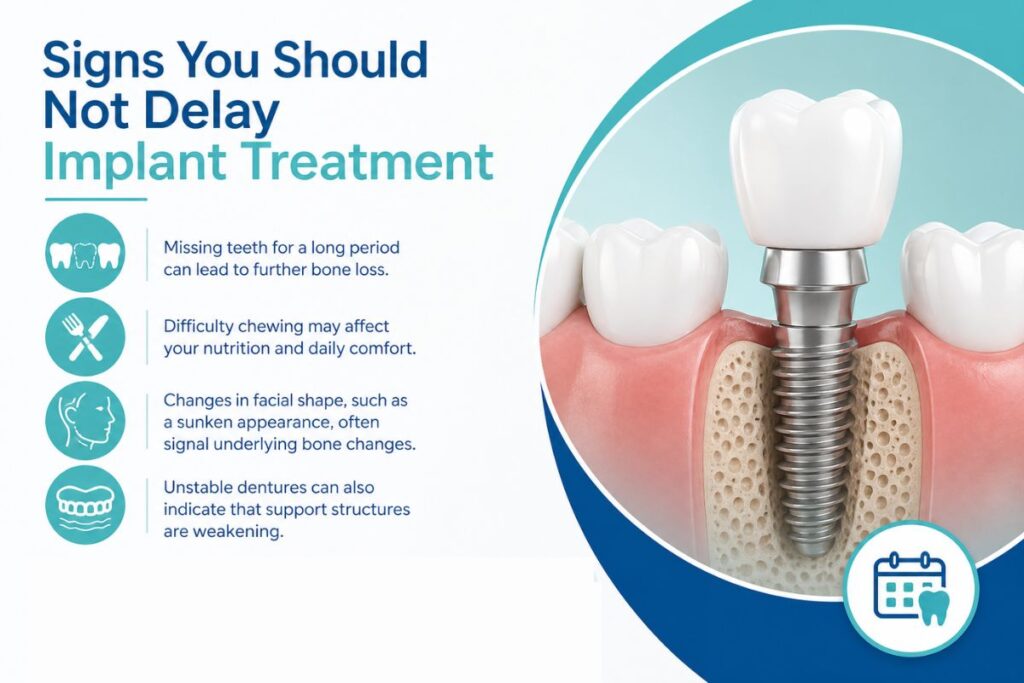
If you have been considering treatment, certain signs suggest it is time to act. Missing teeth for a long period can lead to further bone loss. Difficulty chewing may affect your nutrition and daily comfort.
Changes in facial shape, such as a sunken appearance, often signal underlying bone changes. Unstable dentures can also indicate that support structures are weakening.
Addressing these concerns early helps preserve options. Waiting too long can increase complexity. A timely evaluation keeps your choices open and reduces the need for additional procedures later.
Benefits of Getting Implants Even Later in Life
Replacing missing teeth can improve how you eat and speak. Chewing becomes more efficient, which supports better nutrition. Speech often becomes clearer when gaps are restored.
Facial structure also benefits. Dental implants in Aurora help maintain the natural shape of your jaw and face. This can prevent the sunken look that sometimes develops over time.
Confidence is another important factor. Being able to smile, eat, and speak without hesitation improves daily interactions. Many patients report feeling more comfortable in social and professional settings after treatment.
What to Expect During the Implant Process
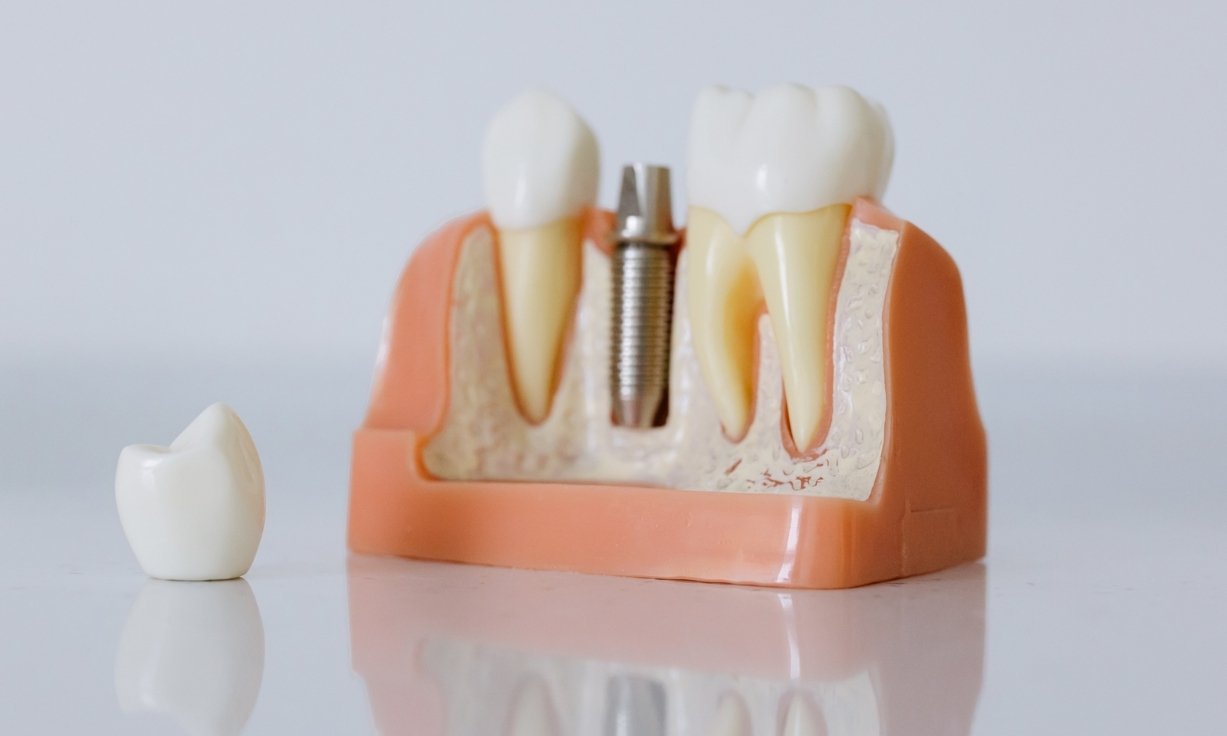
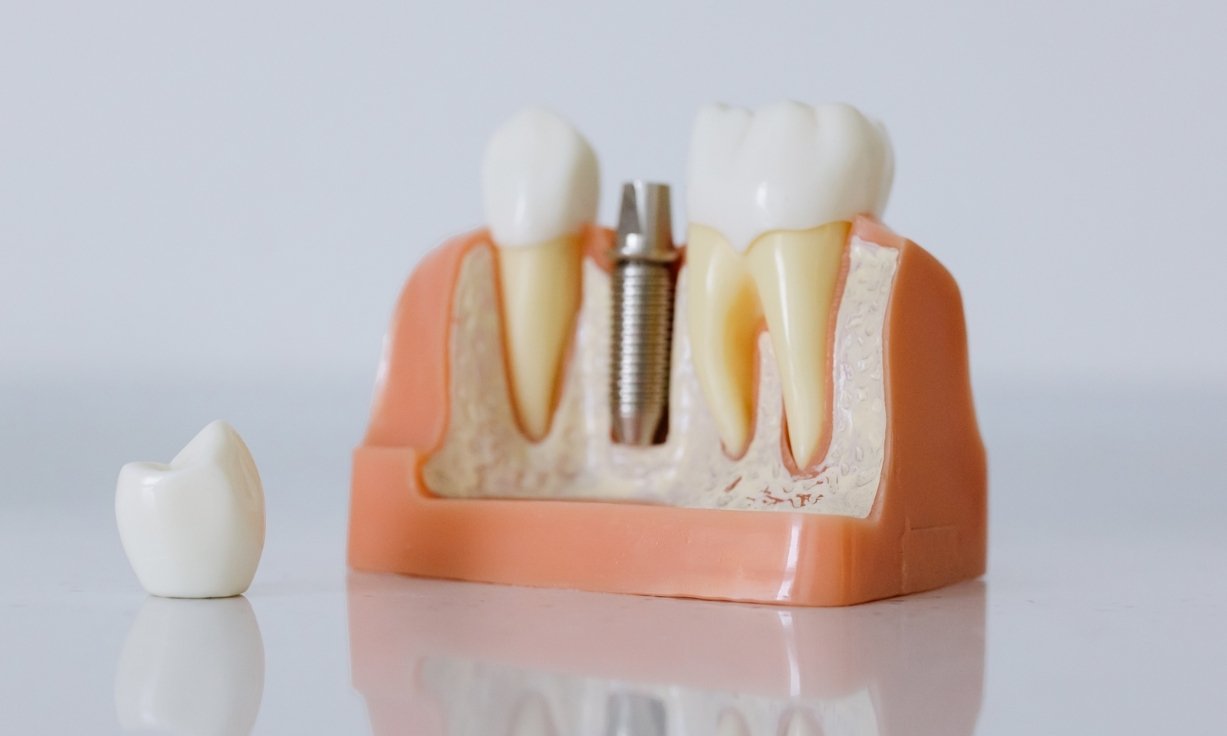
The process begins with a consultation. This includes an exam and detailed imaging to assess bone and gum health.
Next comes planning. The team maps out placement with precision to ensure proper alignment and stability.
The placement procedure follows. This step positions the implant in the jawbone. It is typically done with careful attention to comfort.
After placement, healing begins. During this phase, the implant integrates with the bone. Once healing is complete, the final restoration is placed to restore function and appearance.
Each step is planned with your comfort and long-term outcome in mind.
Early Evaluation Makes a Big Difference
Timing plays a critical role in treatment success. Acting early helps preserve bone and reduces the need for additional procedures.
This does not mean rushing into treatment. It means getting the right evaluation at the right time. A professional assessment gives you clarity about your current condition and available options.
In local communities where active lifestyles are common, maintaining oral function supports everyday activities. Whether it is enjoying meals or staying socially engaged, early evaluation helps you stay ahead of potential complications.
Age alone does not determine your options. What matters is your current oral health and overall condition. With personalized planning, many patients who assume they waited too long discover they still have viable solutions.
At Young Dental Care, the focus is on practical, patient-centered care. Every evaluation is tailored to your needs, not based on assumptions. If you have been unsure about your eligibility, this is the right time to get clarity.
A simple consultation can help you understand what is possible and what steps come next.
People Also Know
1. Is it too late if I lost a tooth years ago?
Not necessarily. Even if a tooth has been missing for years, options like bone grafting or advanced techniques may still allow for successful implant placement.
2. How does bone loss affect implant eligibility?
Bone loss can reduce support for the implant. However, procedures such as bone grafting can rebuild the area, allowing many patients to still qualify.
3. Are dental implants safe for people with medical conditions?
In many cases, yes. Conditions like diabetes or heart issues require careful evaluation, but controlled health conditions often allow patients to move forward safely.
4. How long does the implant process take?
The process can take several months. It includes consultation, placement, healing, and final restoration. Healing time varies depending on bone health and individual recovery.
5. Do dental implants feel natural?
Yes, implants are designed to function like natural teeth. Once healed, they allow you to chew, speak, and smile comfortably without the movement often experienced with removable options.