Pay Online

Welcome to our blog! If you’ve recently undergone a root canal procedure or are considering one, you may have some questions about what to expect during the recovery process. Fear not – we’re here to guide you through it all. Root canals are often misunderstood and have garnered a less-than-stellar reputation over the years. But fear not, because in this article, we’ll demystify the process and give you a clear picture of what lies ahead after your root canal. So sit back, relax, and let’s dive into everything you need to know for optimal post-root canal recovery!
What is a Root Canal and Why It’s Necessary
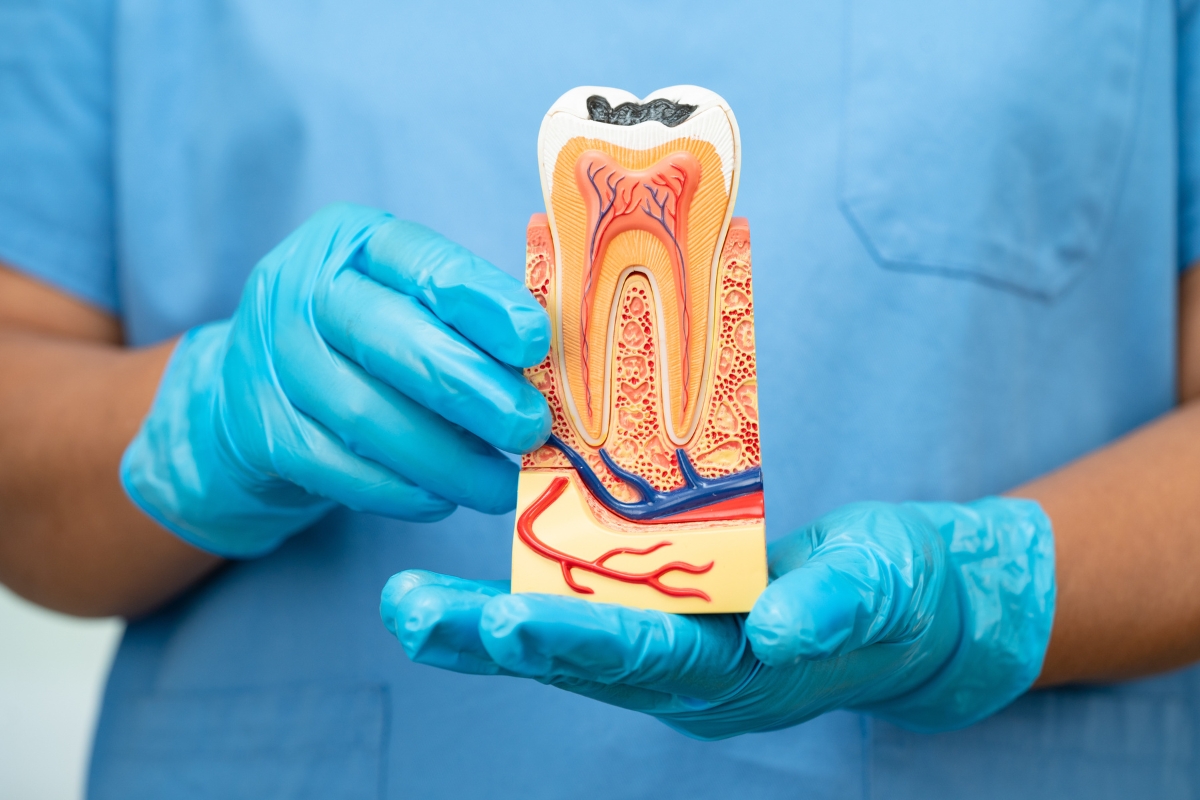
What is a root canal, you ask? Well, it’s not as intimidating as it sounds. A root canal is a dental procedure designed to save a severely infected or decayed tooth from extraction. When the pulp inside your tooth becomes infected or inflamed due to deep decay, cracks, or trauma, a root canal becomes necessary.
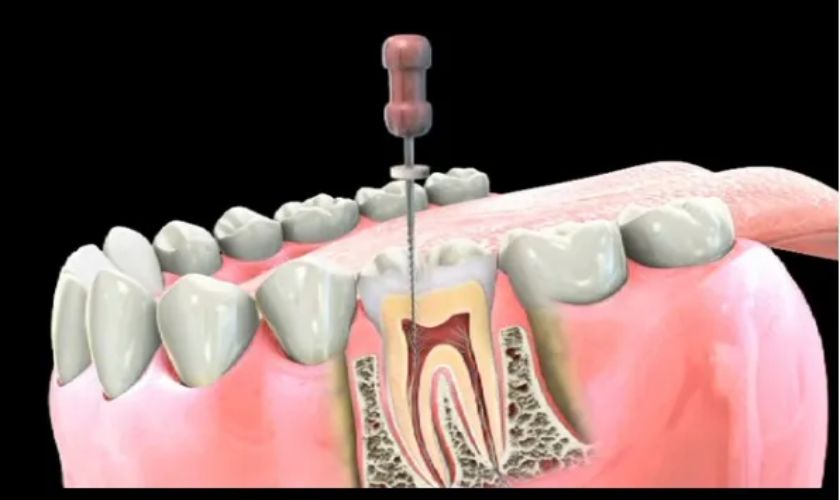
During the procedure, your dentist will carefully remove the infected pulp and clean out the canals of your tooth roots. This process not only relieves pain but also prevents further spread of infection. Once the canals are thoroughly cleaned and disinfected, they are filled with a special material called gutta-percha to seal them off.
Now you might wonder why saving an infected tooth is important at all. Well, losing teeth has consequences beyond just aesthetics – it can affect your bite alignment and cause neighboring teeth to shift. By opting for a root canal instead of extraction, you preserve natural functionality while maintaining proper oral health.
So next time someone mentions “root canal,” don’t let fear take hold! It’s actually an essential dental procedure that saves teeth and keeps your smile intact – something worth celebrating!
Understanding Root Canal Therapy
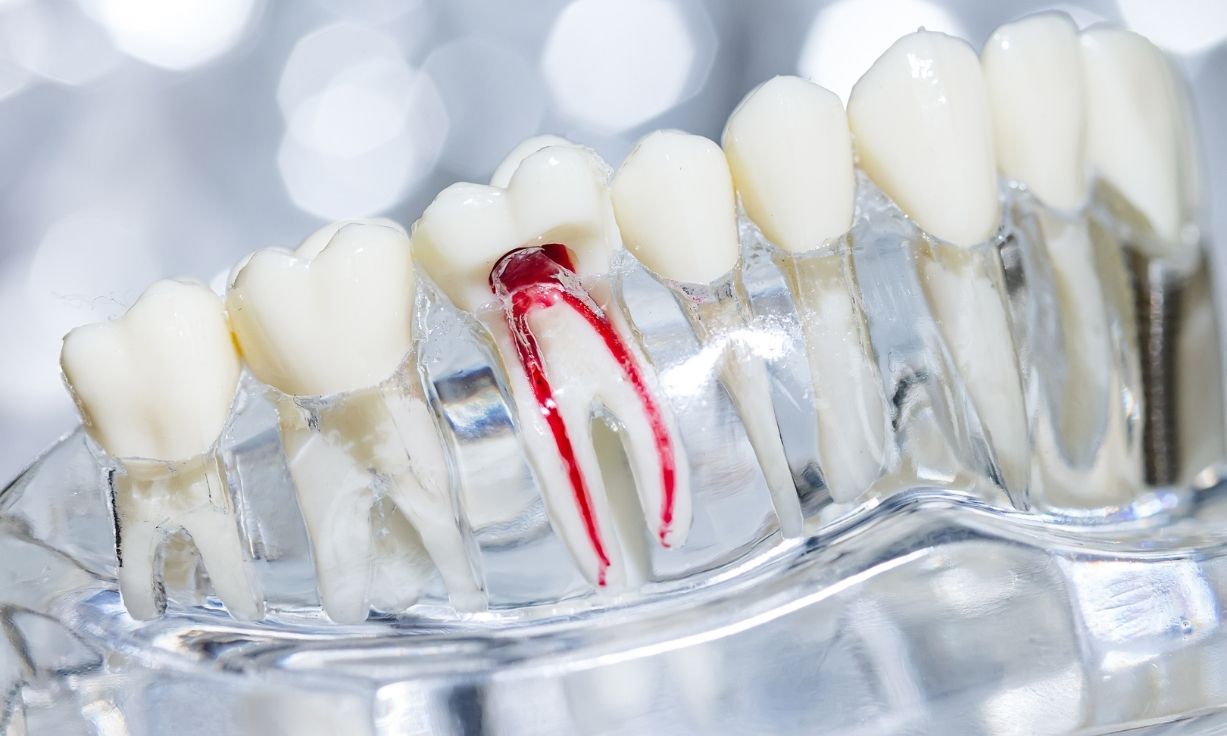
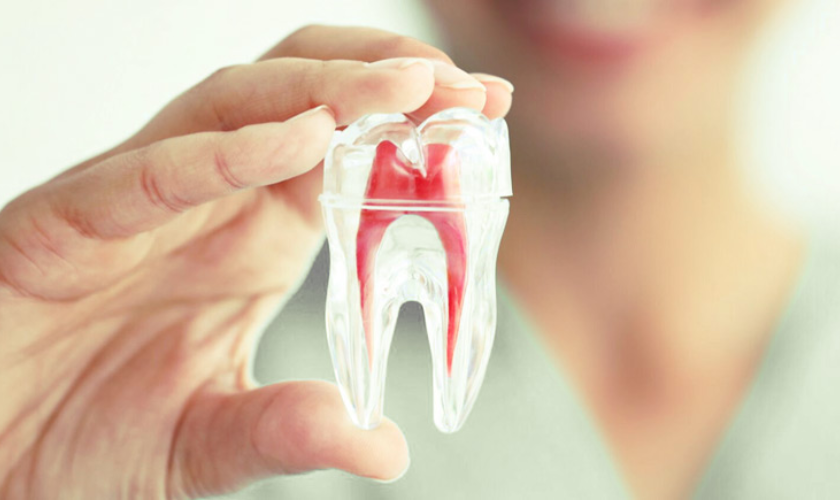
Root canal therapy, also known as endodontic treatment, is a procedure performed to save a severely damaged or infected tooth. It involves removing the infected pulp from inside the tooth and cleaning out the root canals before filling them with a biocompatible material.
During the procedure, your dentist will start by administering local anaesthesia to ensure you are comfortable. Then, they will create an access hole in the tooth’s surface to reach the pulp chamber and canals. Using specialized tools, they will carefully remove any decayed tissue and bacteria from within.
Once cleaned, the canals are shaped and disinfected before being filled with gutta-percha—a rubber-like material that seals off and protects against further infection. In some cases, a temporary filling may be placed until a permanent restoration like a crown is fitted.
Root canal therapy aims to preserve your natural tooth structure while alleviating pain and preventing future complications such as abscesses or bone loss. It allows you to maintain proper chewing function and restores both aesthetics and confidence in your smile.
Remember that each case is unique—consulting with your dentist for an accurate diagnosis and personalized treatment plan is crucial for successful outcomes.
The Initial Aftermath of a Root Canal Procedure
So, you’ve just had a root canal procedure done. Now what? It’s natural to have some concerns about what to expect in the immediate aftermath. Don’t worry – we’ve got you covered.
First and foremost, it’s normal to experience some discomfort and sensitivity after a root canal. Your dentist may prescribe pain medications or recommend over-the-counter options to help manage any pain. Applying an ice pack can also provide relief by reducing swelling.
It’s important to be mindful of your eating habits during this time. Stick to soft foods that are easy to chew and won’t put unnecessary pressure on the treated tooth. Avoid hot beverages and opt for lukewarm or cool ones instead.
Maintaining good oral hygiene is crucial for optimal recovery. However, be gentle while brushing and flossing around the treated area, as it may still be tender. Using a soft-bristled toothbrush can minimize irritation.
In the days following your root canal, it’s essential to attend any follow-up appointments scheduled by your dentist. These visits allow them to monitor your progress and ensure that everything is healing properly.
Although complications are rare, being vigilant for potential issues is important. If you notice persistent pain, swelling, or discharge from the treated tooth site, contact your dentist immediately for further evaluation.
Remember that every person’s experience with a root canal procedure is unique; what one individual encounters might differ from another’s journey. By following these guidelines and staying in touch with your dental professional throughout the process, you’ll increase your chances of having a smooth recovery after undergoing this necessary treatment.
Mindful Eating And Drinking Practices For Optimal Recovery
After a root canal procedure, it’s important to be mindful of what you eat and drink to ensure optimal recovery. While your mouth may still be numb from the anaesthesia, it’s crucial to avoid chewing on the treated tooth or eating anything that could potentially irritate the area.
Stick to soft foods that are easy to chew and won’t put unnecessary pressure on your teeth. Soups, mashed potatoes, yoghurt, and smoothies are all great options during this time. Avoid hard or crunchy foods like popcorn or nuts as they can cause discomfort or even damage the treated tooth.
It’s also essential to avoid hot beverages immediately after a root canal since your mouth may still be sensitive. Opt for lukewarm or room-temperature fluids instead. Drinking plenty of water is important for hydration and overall oral health but remember not to use a straw as suction can disrupt blood clot formation in the extraction site.
In addition to being cautious about what you consume, maintaining good oral hygiene practices is pivotal during recovery. Gently brushing twice a day with a soft-bristled brush and using an alcohol-free mouthwash will help keep bacteria at bay while promoting healing.
By practising mindful eating habits and taking care of your oral hygiene post-root canal treatment, you’ll pave the way for a smoother recovery process. Remember to follow any specific instructions given by your dentist regarding diet restrictions and gradually reintroduce harder foods into your diet as advised during follow-up appointments.
Ongoing Care Through Follow-Up Appointments
After your root canal procedure, it’s important to prioritize the follow-up appointments recommended by your dentist. These appointments play a crucial role in ensuring that your recovery is progressing smoothly and without any complications.
During these check-ups, your dentist will carefully examine the treated tooth to monitor its healing progress. They will also evaluate the surrounding gum tissue for any signs of infection or inflammation.
In some cases, a temporary filling may have been placed after the initial root canal treatment. During the follow-up appointments, this filling may be replaced with a permanent restoration like a dental crown or filling to provide long-term protection for the tooth.
Your dentist will also use these visits as an opportunity to address any concerns or questions you may have about your recovery process. They can offer guidance on proper oral hygiene practices and provide recommendations for pain management if necessary.
By attending these follow-up appointments regularly, you are taking proactive steps towards maintaining optimal oral health and preventing any potential issues from arising in the future.
Vigilance For Potential Complications And Early Intervention
While root canal therapy is generally a safe and effective procedure, it’s important to be aware of potential complications that may arise. One such complication is an infection in the treated tooth or surrounding tissues. If you experience severe pain, swelling, or discharge from the area after your root canal, it could indicate an infection. In this case, it’s crucial to seek prompt dental care for evaluation and appropriate treatment.
Another possible complication is a cracked or fractured tooth following the procedure. This can occur if there is significant damage to the tooth before or during the root canal process. Any sudden change in bite sensation or persistent discomfort should not be ignored and should be brought to your dentist’s attention.
Early intervention plays a vital role in preventing further damage and ensuring successful outcomes after a root canal. Regular follow-up appointments with your dentist are essential for monitoring healing progress and addressing any concerns that may arise.
In these follow-up visits, your dentist will assess the treated tooth’s stability, check for signs of reinfection or other complications, and determine whether additional steps need to be taken for complete restoration of oral health.
Remember that maintaining good oral hygiene practices at home is also crucial during recovery from a root canal procedure. Brushing twice daily with fluoride toothpaste and flossing regularly will help keep your teeth clean and free from bacteria that could potentially cause problems down the line.
Overall, root canal therapy is an effective procedure to save an infected or damaged tooth and avoid extraction. The process involves removing the diseased pulp, cleaning and disinfecting the canals, and then sealing the tooth with a temporary filling until the final restoration can be placed. Typical postoperative recovery includes mild tenderness and sensitivity for a few days, which can be managed with over-the-counter pain medication. Minor swelling may occur but should not get worse. Following your dentist’s instructions for care and avoiding hard chewing protects the treated tooth. Schedule a follow-up appointment promptly to have the permanent crown placed for full protection and function. With proper aftercare and restoration, a tooth that has had a root canal can last for many years. While the procedure and recovery may seem involved, it is worth it to save your natural tooth and avoid more invasive implant surgery or tooth loss.