Pay Online

Dental implants are widely recognized as an effective and durable solution for replacing missing teeth. They provide a stable foundation for artificial teeth, such as crowns, bridges, or dentures, and are designed to blend seamlessly with your natural teeth. The process of getting dental implants is usually categorized into three main stages: the surgical placement of the implant, osseointegration and healing, and the placement of the prosthetic. Each stage is critical and requires careful planning and execution by dental professionals. In this blog, we’ll explore each stage in detail, helping you understand what to expect if you’re considering this treatment option.
Stage 1: Surgical Placement of the Implant
The first stage of the dental implant process involves the surgical placement of the implant into the jawbone. This procedure is typically performed under local anesthesia, and sedation can be used if necessary to ensure the patient’s comfort.
The process begins with a thorough examination, including X-rays or CT scans, to assess the health of the jawbone and to determine the best location for the implant. Once the planning is complete, the actual surgery can take place.
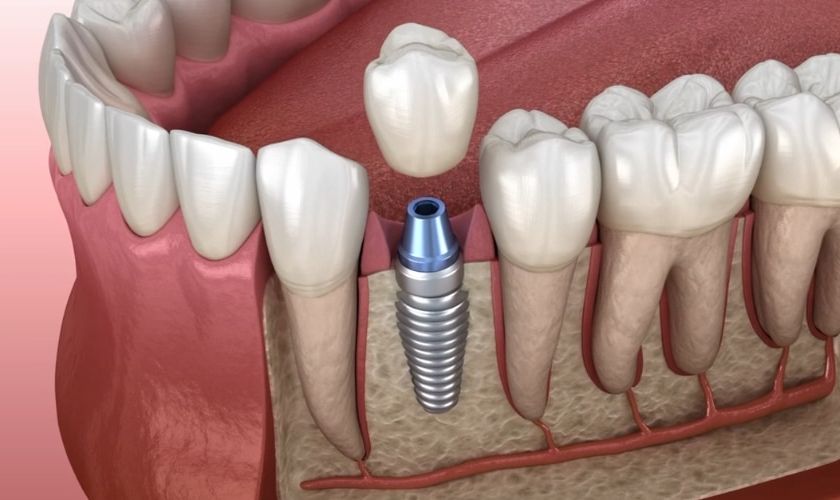
During the surgery, the dentist or oral surgeon makes a small incision in the gum tissue to expose the bone. A special drill is then used to create a space in the bone where the implant will be placed. The implant, made of titanium or another biocompatible material, is carefully inserted into the newly created space.
The top of the implant is often either left slightly above the bone level or covered with a screw or cap, which sits flush with the bone surface. The gum is then sutured closed over or around the implant.
Stage 2: Osseointegration and Healing
Once the implant is placed, the second stage begins, which involves a critical process known as osseointegration. This is where the body’s natural processes take over, and the jawbone begins to grow around the implant, anchoring it securely in place. This integration between bone and implant is what gives the implant its strength and durability.
Osseointegration typically takes several months, during which the patient must follow careful instructions to ensure successful healing. This includes maintaining good oral hygiene, avoiding certain foods that might disturb the implant, and possibly taking antibiotics to prevent infection.
During this healing period, patients often wear a temporary denture or bridge to fill the gap of the missing tooth. It’s important that this temporary solution does not exert too much pressure on the healing implant.
Stage 3: Placement of the Prosthetic
- The final stage of the dental implant process is the placement of the prosthetic tooth or teeth. Once osseointegration is complete and the implant is securely integrated into the jawbone, the dentist will proceed with fitting the permanent prosthetic.
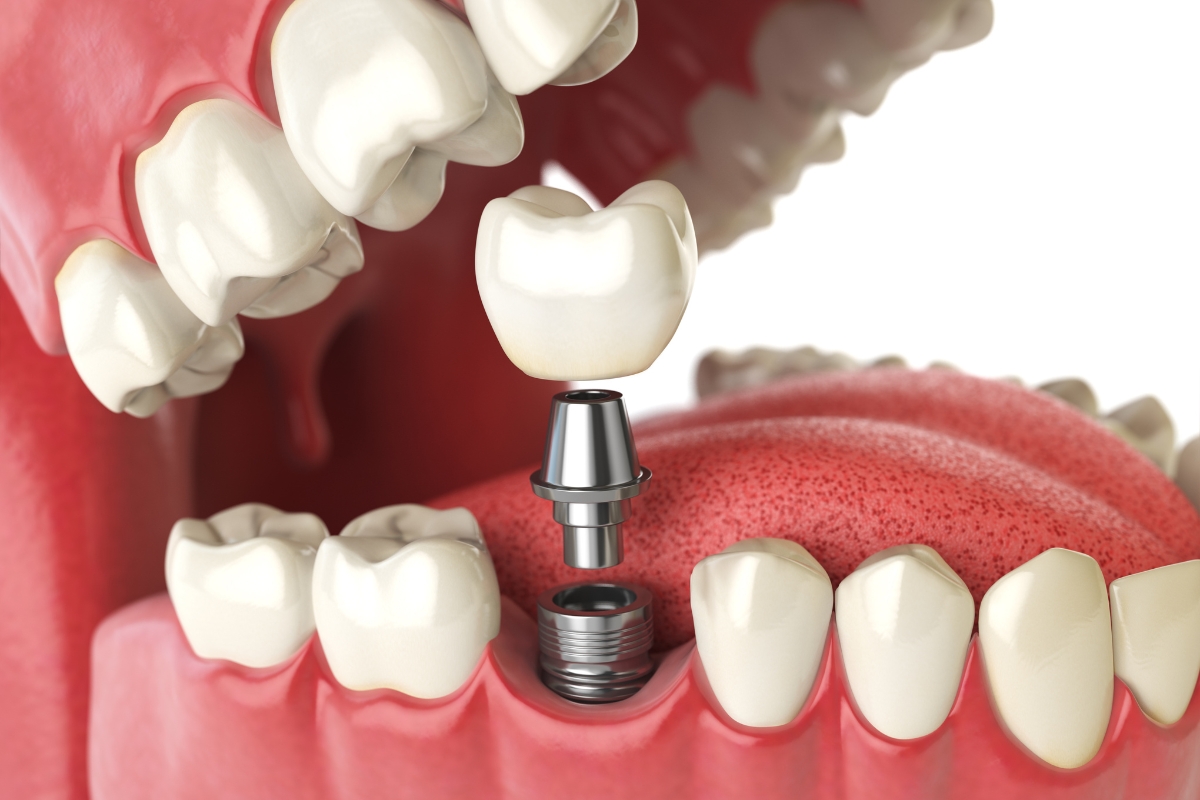
- This stage begins with the dentist reopening the gum to expose the implant, unless there’s a healing cap already in place. An abutment is then attached to the implant. This component serves as a base for the crown, bridge, or denture that will be the visible part of the dental implant.
- After the abutment is placed, impressions of the mouth are taken, which are used to create the final prosthetic. The prosthetic is crafted to match the color, shape, and size of the surrounding natural teeth, ensuring a natural-looking result.
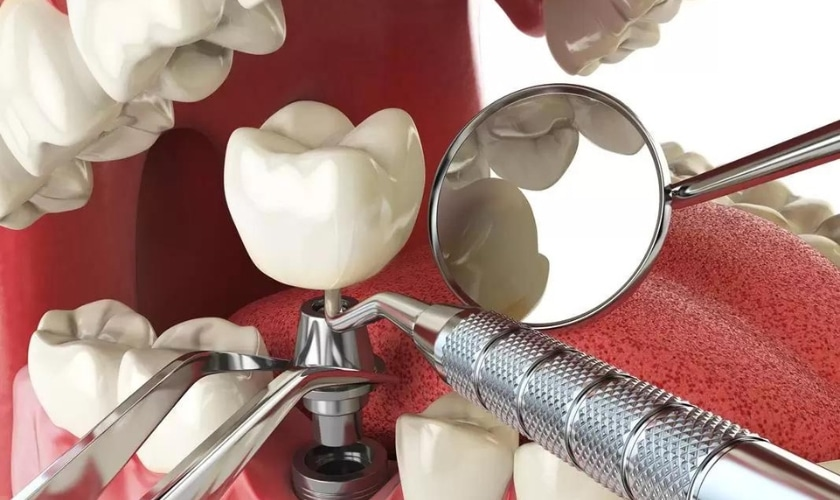
- Once the prosthetic is ready, it is attached to the abutment. The dentist will make any necessary adjustments to ensure a comfortable and accurate fit. This might require several visits to fine-tune the placement and bite.
The three stages of dental implant surgery—surgical placement, osseointegration and healing, and placement of the prosthetic—are designed to ensure the long-term success of the implant. Although the process can take several months from start to finish, the result is a functional and esthetic replacement for lost teeth. Dental implants not only restore the ability to chew and speak with ease but also help maintain facial structure and prevent bone loss, making them a preferred choice for tooth replacement.
If you are considering dental implants, it is important to consult with a qualified dental professional who can assess your specific needs and guide you through the process. With proper care and maintenance, dental implants can provide a permanent solution to missing teeth and help enhance your smile and overall oral health.