
Welcome to the world of dental implants, where the power to reclaim your natural smile awaits. Dental implants are revolutionary tooth replacement solutions that mimic the look, feel, and function of natural teeth. Designed to replace missing teeth from root to crown, dental implants provide a strong and permanent foundation for restorations. By fusing with the jawbone, implants offer stability, durability, and an improved chewing ability that surpasses traditional dentures or bridges. With the power of dental implants, you can confidently eat, speak, and smile again, restoring your natural smile and enhancing your overall oral health. Let us unveil the remarkable potential of dental implants and embark on a journey to reclaim your radiant smile.
Dental Implants: Overview
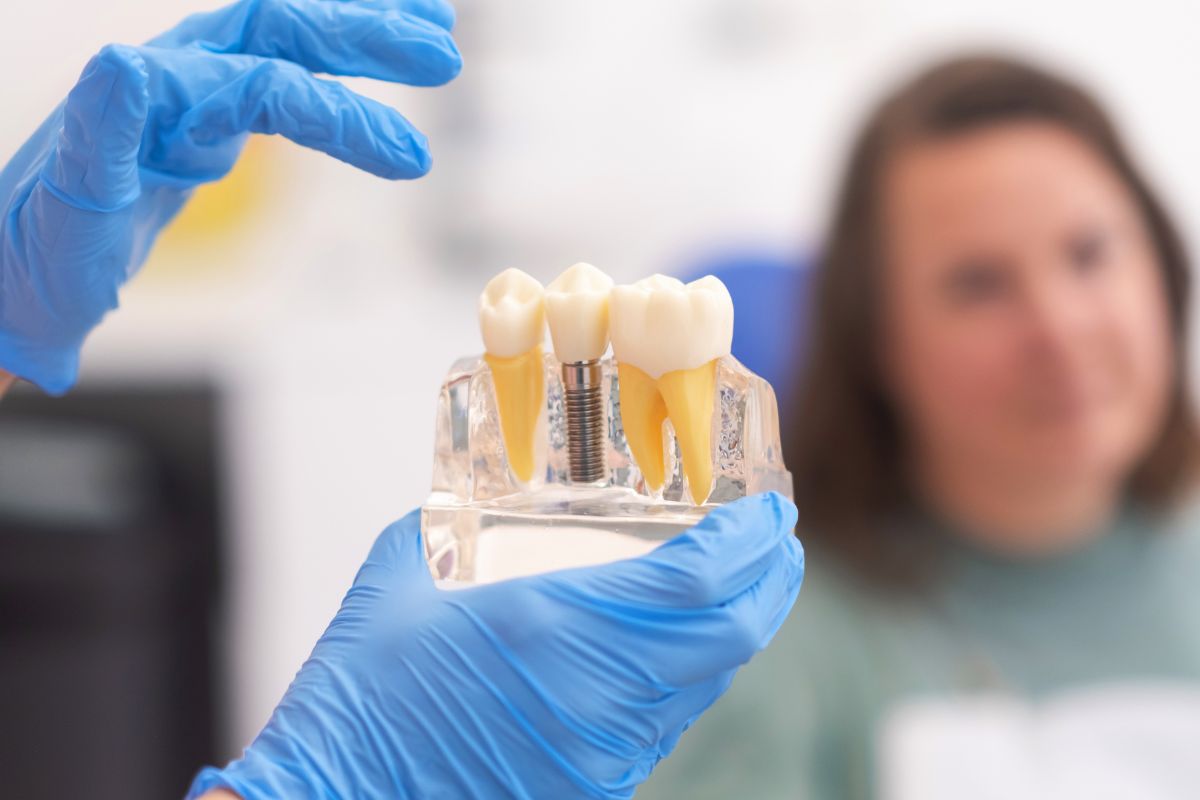
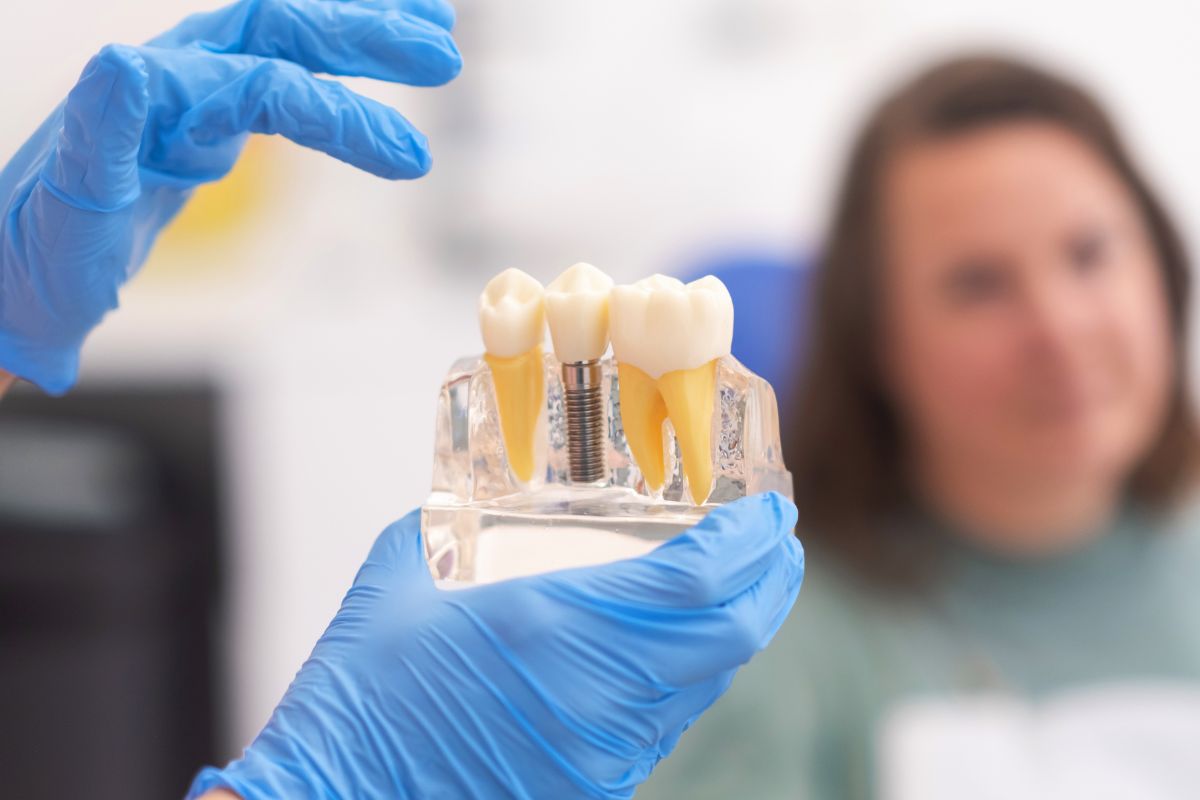
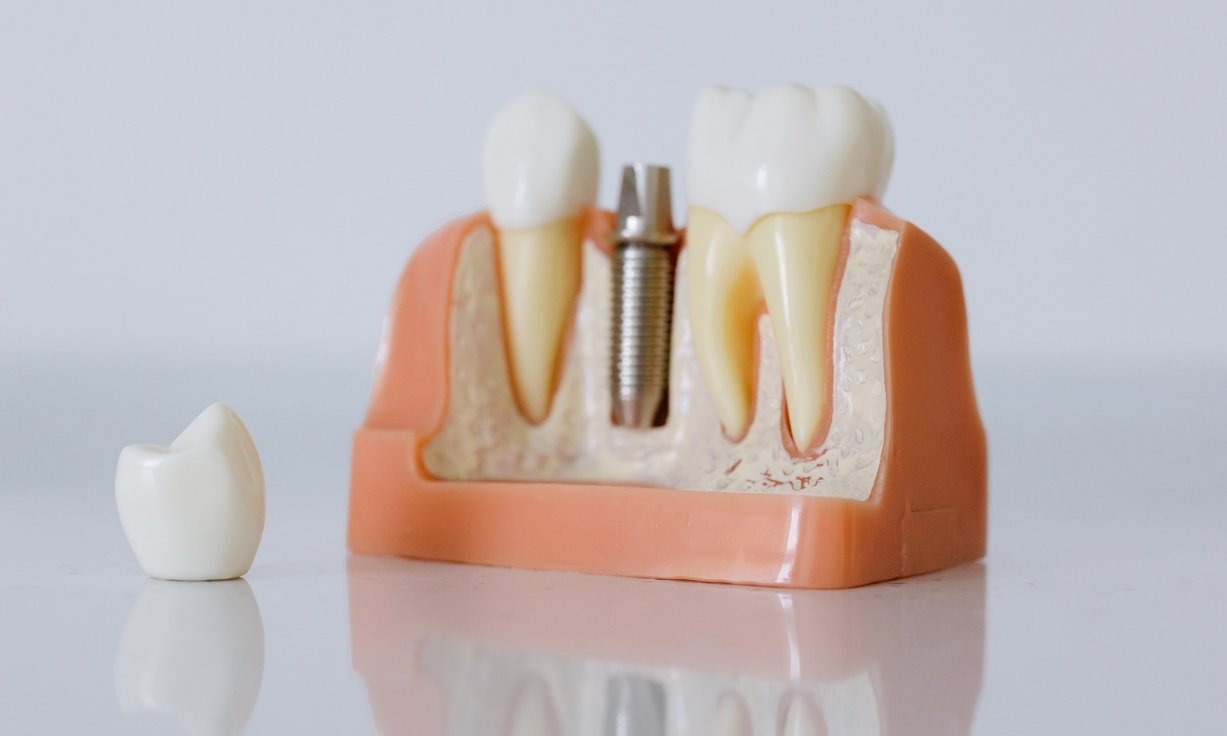
Dental implants are advanced tooth replacement options that provide a permanent and natural-looking solution for missing teeth. Composed of a titanium post surgically placed into the jawbone, a connecting abutment, and a custom-made dental crown, implants offer stability, durability, and functionality similar to natural teeth. The implant integrates with the jawbone through a process called osseointegration, providing a strong foundation for the replacement tooth. They not only restore the aesthetics of a smile but also support jawbone health and prevent bone loss. With proper care, these implants can last a lifetime, enabling individuals to enjoy a confident smile and improved oral function.
Process of Dental Implants
1. Initial Consultation: The process begins with an initial consultation with a dental professional specializing in these implants. The dentist evaluates your oral health, discusses your treatment goals, and determines if you are a suitable candidate for dental implants.
2. Treatment Planning: In this phase, the dentist develops a comprehensive treatment plan tailored to your specific needs. This includes imaging scans, such as X-rays or CT scans, to assess the jawbone and determine the optimal placement of the dental implants.
3. Implant Placement: The next step involves the surgical placement of the dental implants into the jawbone. The dentist makes a small incision in the gum tissue, drills a hole into the jawbone, and carefully inserts the implant. Over time, the implant fuses with the jawbone through a process called osseointegration.
4. Healing and Osseointegration: After the implant placement, a period of healing is necessary to allow the implant to integrate with the jawbone. This process, called osseointegration, typically takes several months.
5. Abutment Placement: Once osseointegration is complete, a connecting piece called an abutment is attached to the implant. The abutment serves as a foundation for the final dental restoration.
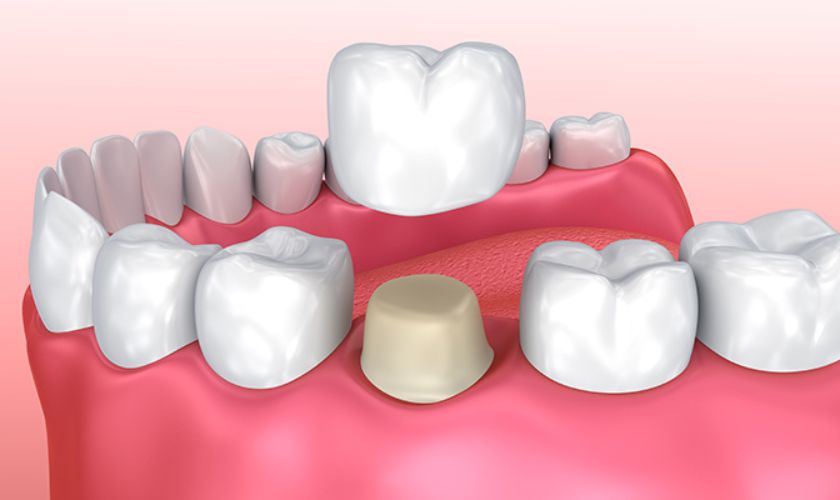
6. Dental Restoration: The final step involves the placement of the dental restoration, which is typically a custom-made dental crown. The crown is securely attached to the abutment, providing a natural-looking and functional replacement tooth.
Throughout the process, the dentist closely monitors your progress and ensures that the implants are healing properly. Regular follow-up appointments are scheduled to evaluate the success of the implant integration and the overall health of your oral tissues.
Who needs Dental Implants
1. Individuals with Missing Teeth: They are an excellent solution for individuals who have one or more missing teeth. Whether the teeth were lost due to decay, injury, or other reasons, dental implants can provide a permanent and natural-looking replacement.
2. Those with Jawbone Stability: They require a sufficient amount of healthy jawbone for successful placement. Individuals with good jawbone density and stability are ideal candidates for dental implants. In cases where the jawbone is inadequate, bone grafting procedures may be considered to improve bone volume.
3. Denture Wearers: Individuals who are currently wearing removable dentures and desire a more stable and comfortable solution may benefit from these implants. Implant-supported dentures can provide enhanced stability and prevent denture slippage, allowing for improved chewing function and confidence.
4. Individuals with Dental Bridge Needs: They can be an alternative to traditional dental bridges. Rather than relying on adjacent teeth for support, dental implants can provide a standalone support system for a dental bridge, preserving the integrity of neighboring healthy teeth.
Benefits Of Dental Implants
1. Enhanced Appearance and Confidence: They closely mimic the look and feel of natural teeth, restoring your smile and enhancing your appearance. They provide a long-lasting solution that can boost self-confidence and improve your overall sense of well-being.
2. Improved Chewing and Speech: They offer excellent stability and functionality, allowing you to chew food comfortably and speak clearly. Unlike removable dentures or bridges, implants function like natural teeth, providing a strong bite force and preventing slippage or discomfort while eating or speaking.
3. Longevity and Durability: With proper care and maintenance, they can last a lifetime. They are designed to be a permanent solution, eliminating the need for frequent replacements like with other dental restorations.
4. Preservation of Jawbone and Facial Structure: When teeth are missing, the jawbone can deteriorate over time. They stimulate the jawbone through chewing forces, helping to preserve its volume and prevent bone loss. This, in turn, maintains facial structure and prevents the sagging or sunken appearance associated with tooth loss.
5. Convenience and Comfort: They eliminate the hassle and discomfort of removable dentures. They become a permanent part of your mouth, eliminating the need for adhesives or worrying about denture slippage. Dental implants offer convenience, allowing you to brush, floss, and care for them just like natural teeth.
Maintaining Your Dental Implants
1. Practice Good Oral Hygiene: Maintain regular brushing and flossing of your dental implants, just like you would with natural teeth. Use a soft-bristle toothbrush and non-abrasive toothpaste to avoid scratching the implant surfaces. Additionally, use dental floss or interdental brushes to clean between the implants and the surrounding gums.
2. Attend Regular Dental Check-ups: Schedule routine check-ups with your dentist to ensure the health and longevity of your dental implants. Your dentist will evaluate the implants, perform professional cleanings, and address any potential issues early on.
3. Avoid Tobacco Use: Smoking and tobacco use can significantly impact the success and longevity of dental implants. These habits increase the risk of implant failure and complications. It is advisable to quit smoking or avoid tobacco products altogether to maintain the health of your implants.
4. Protect Against Teeth Grinding: If you have a habit of grinding or clenching your teeth, known as bruxism, inform your dentist. They may recommend a custom-made night guard to protect your implants and natural teeth from excessive forces during sleep.
5. Maintain a Healthy Lifestyle: Adopt a healthy lifestyle that includes a balanced diet, regular exercise, and stress management. A well-rounded lifestyle promotes overall oral and systemic health, which can contribute to the long-term success of your dental implants.
In conclusion, dental implants offer a transformative solution for individuals with missing teeth. With their ability to restore appearance, functionality, and confidence, they provide a long-lasting and natural-looking replacement. By following proper maintenance and seeking regular dental care, dental implants can provide a permanent and durable solution for a beautiful and healthy smile.
FAQs:
1. How long does the implant process take?
The duration of these implant process can vary depending on individual cases. It typically involves multiple stages, including consultation, implant placement, healing period, and restoration placement. In general, the process can take several months to complete, allowing for proper healing and integration of the implant with the jawbone.
2. Are they painful?
The procedure is performed under local anesthesia, ensuring a comfortable and painless experience during the surgery. Some discomfort and mild soreness may be experienced afterward, but it can be managed with over-the-counter pain medications. The majority of patients report minimal pain and discomfort throughout the dental implant process.
3. Can anyone get these?
In general, most individuals who are in good oral and overall health can be candidates for these implants. However, specific factors such as jawbone density, overall health conditions, and oral hygiene play a role in determining suitability. A comprehensive evaluation by a dental professional is necessary to determine if dental implants are the right option for you.
4. How long do they last?
With proper care and maintenance, they have the potential to last a lifetime. However, individual factors such as oral hygiene practices, overall health, and lifestyle habits can influence the longevity of dental implants. Regular dental check-ups, good oral hygiene habits, and avoiding habits like smoking can help maximize the lifespan of dental implants.