Pay Online
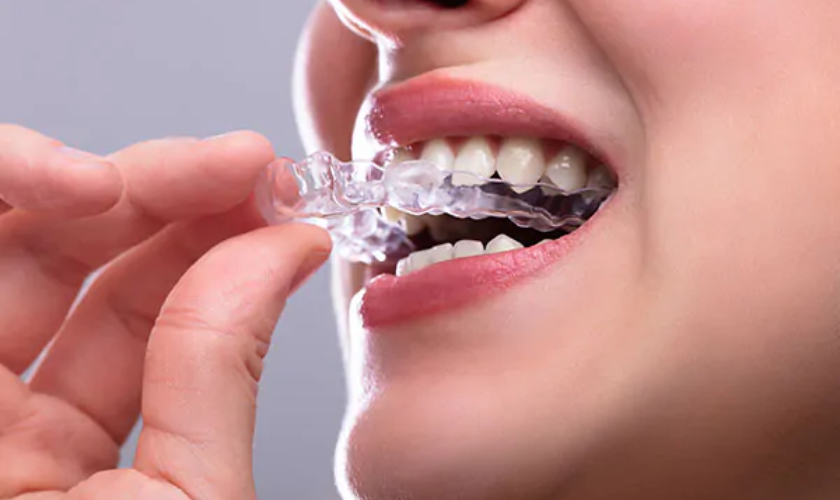
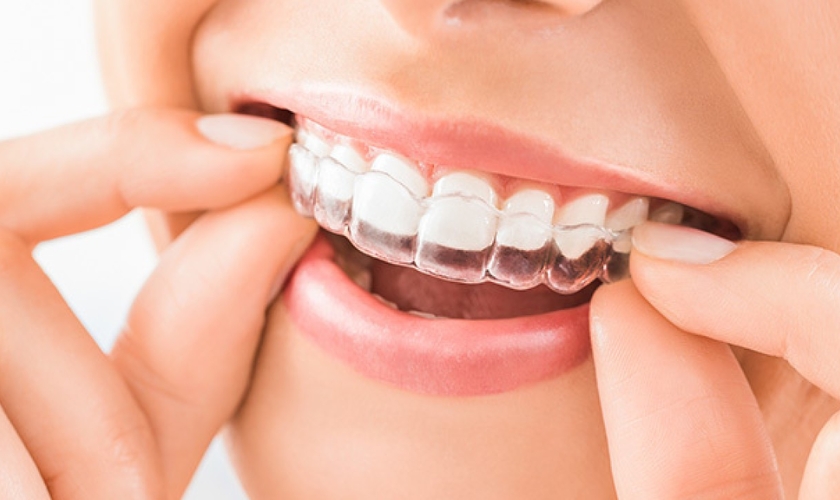
Dental health is a critical component of our overall well-being, and for many, a nightguard is an essential tool in protecting against teeth grinding (bruxism) or TMJ disorders. Nightguards, also known as dental guards or occlusal splints, are used to prevent the wear and tear of teeth, alleviate jaw strain, and improve sleep quality. But a question often arises among users: How long should you keep a nightguard? The answer is not straightforward, as it depends on several factors including the type of nightguard, the intensity of teeth grinding, and the material’s durability. This comprehensive guide delves into the nuances of nightguard use, offering insights into their lifespan, maintenance, and when to consider a replacement.
Understanding Nightguards
Nightguards come in various forms, ranging from over-the-counter options to custom-fitted devices designed by dental professionals. The custom-fitted ones, although more expensive, offer a better fit, greater comfort, and typically longer durability. Over-the-counter models are a one-size-fits-all solution that may not provide the same level of protection or longevity.
Lifespan of Nightguards
The lifespan of a nightguard can vary significantly based on its material, the severity of teeth grinding, and how well it is cared for. Generally, a nightguard can last anywhere from six months to several years. Custom-fitted nightguards made from durable materials can often last up to 5 years or more, while over-the-counter versions might need replacement every 6 to 12 months.
Material Matters
Nightguards are made from different materials, including soft, hybrid (dual-laminate), and hard plastics. Soft nightguards are typically for mild cases of bruxism and have the shortest lifespan, often needing replacement every 6 to 12 months. Hybrid models, designed for moderate bruxism, offer a compromise between comfort and durability, lasting approximately 1 to 3 years. Hard plastic nightguards, suited for severe bruxism, boast the longest lifespan, potentially serving well for over 5 years with proper care.
Signs It’s Time for a Replacement
Knowing when to replace your nightguard is crucial for maintaining its protective benefits. Signs that indicate a need for a new nightguard include:
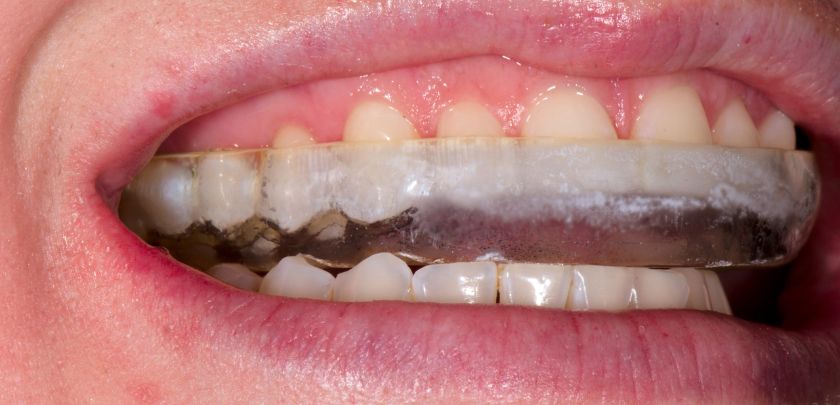
- Visible Wear and Tear: If the nightguard shows significant signs of wear, such as deep indentations or holes, it’s time for a replacement.
- Fit Issues: A nightguard that no longer fits snugly may have lost its effectiveness, necessitating a new one.
- Discomfort or Pain: Changes in fit over time can lead to discomfort or pain, indicating that the nightguard may no longer be providing the intended protection.
- Breakage: Any cracks or breaks in the nightguard are clear indicators that it’s time for a new one.
Maximizing Nightguard Lifespan
Proper care and maintenance are key to extending the life of your nightguard. Here are some tips for keeping your nightguard in top condition:
- Clean Regularly: Clean your nightguard with a toothbrush and cold water after each use. Avoid hot water, which can warp its shape.
- Use the Right Cleaner: Use cleaners specifically designed for nightguards or mild soap. Harsh chemicals can degrade the material.
- Dry Properly: Let your nightguard dry completely before storing it in its case to prevent bacterial growth.
- Store Safely: Keep your nightguard in a ventilated case when not in use, away from direct sunlight and heat sources.
- Regular Dental Check-Ups: Visit your dentist regularly to ensure your nightguard is still fit for purpose and to check for any adjustments that may be needed.
The lifespan of a nightguard is influenced by several factors, but with proper care and maintenance, it can serve its purpose effectively for years. Always monitor your nightguard for signs of wear and tear, and consult with your dental professional regarding its condition and when a replacement might be necessary. Remember, a well-maintained nightguard is a key investment in your dental health, offering protection against the potential harms of teeth grinding and contributing to overall quality of life.