Pay Online
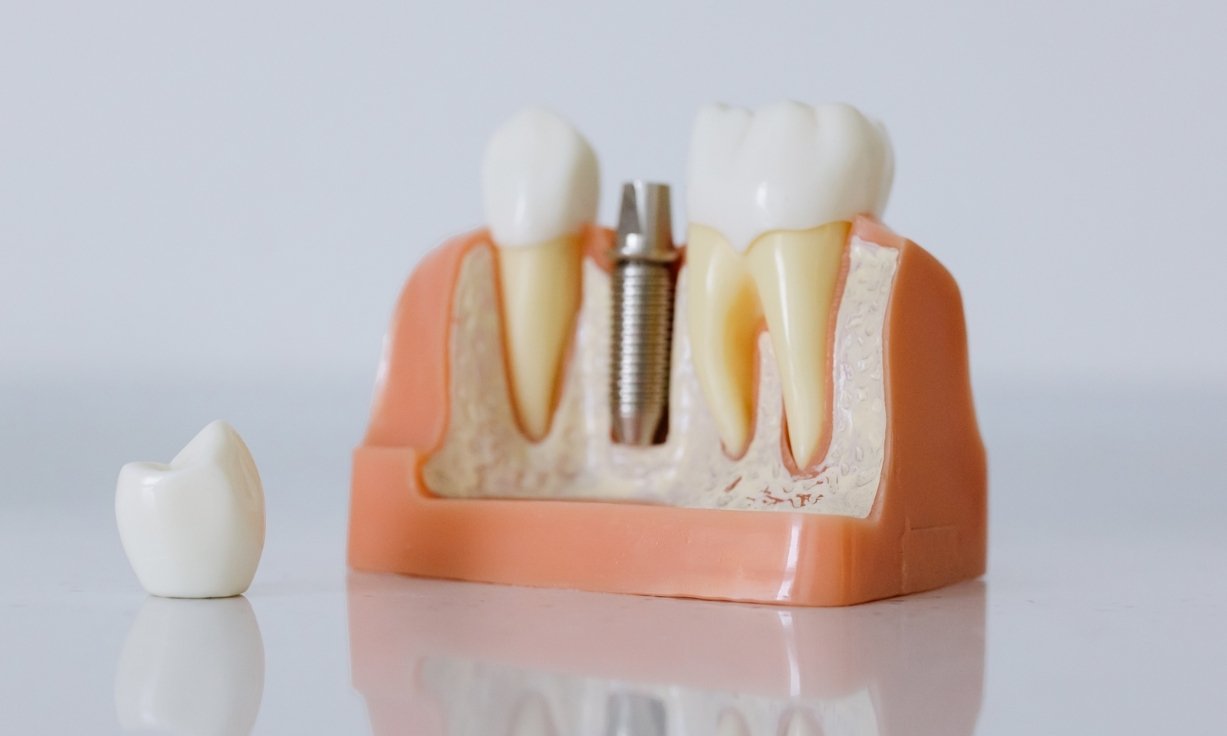
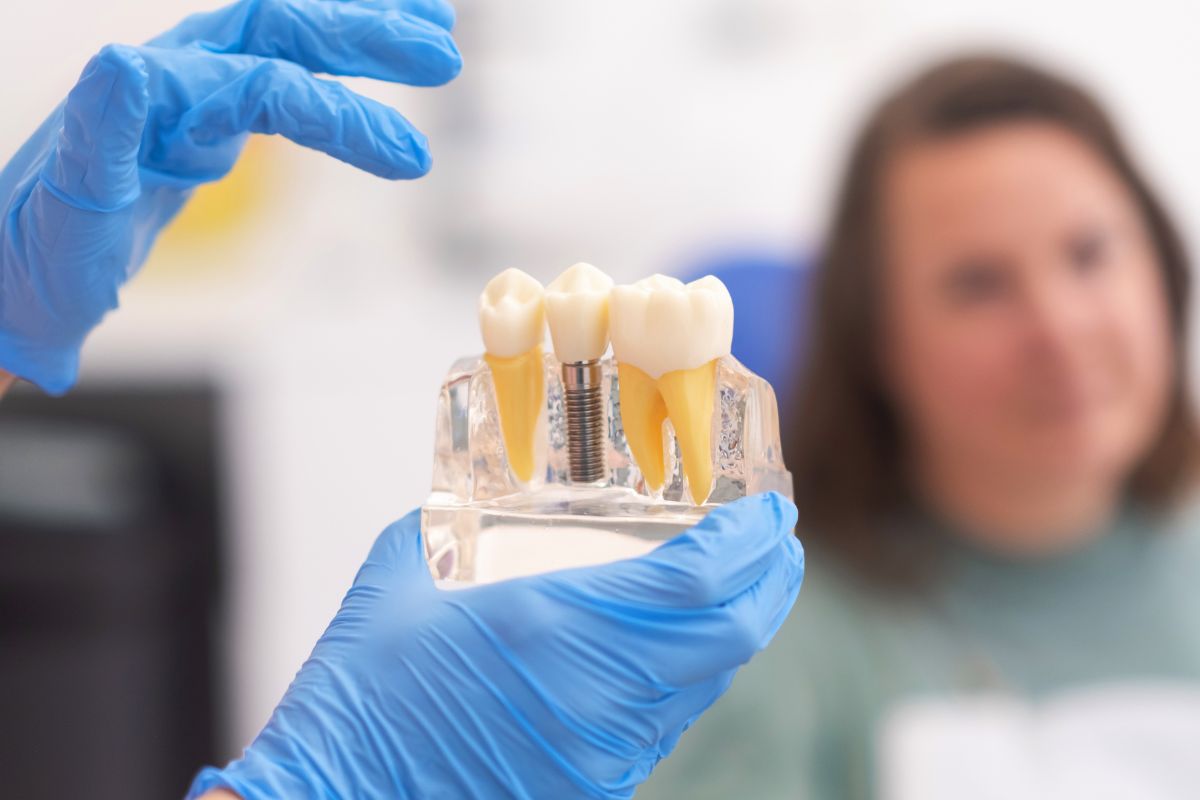
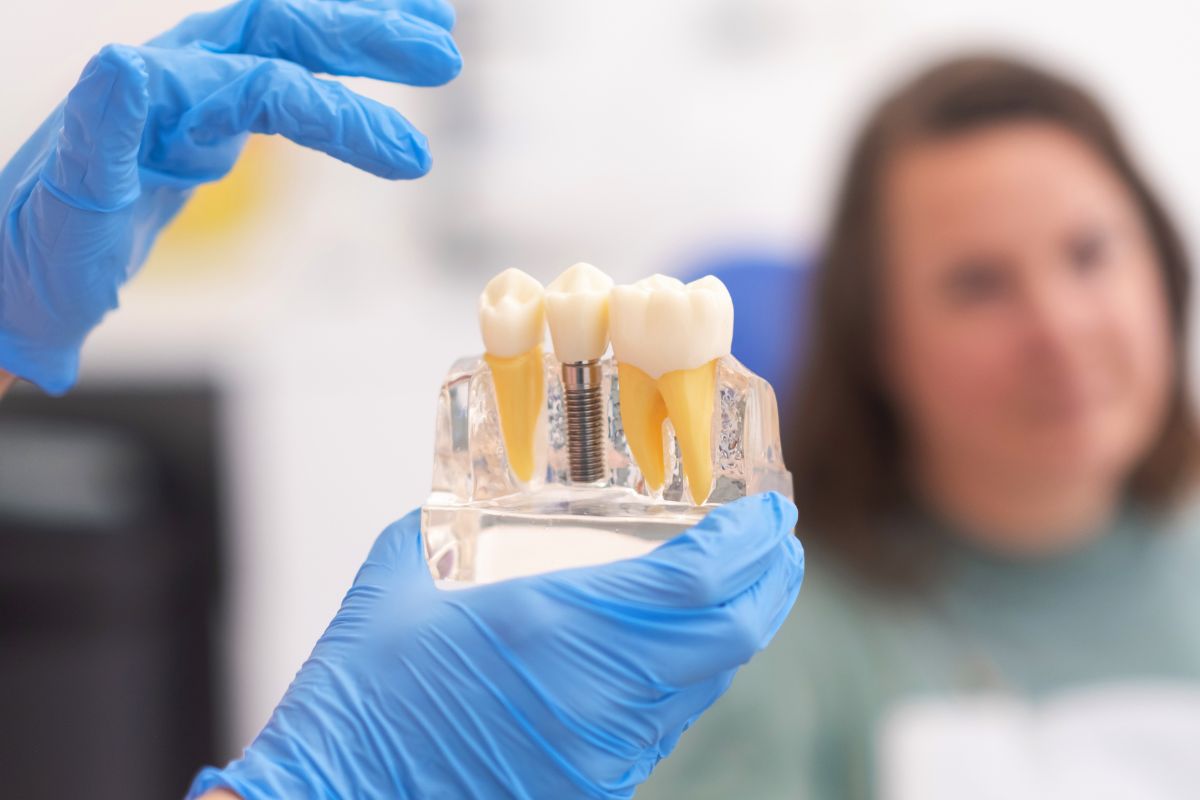
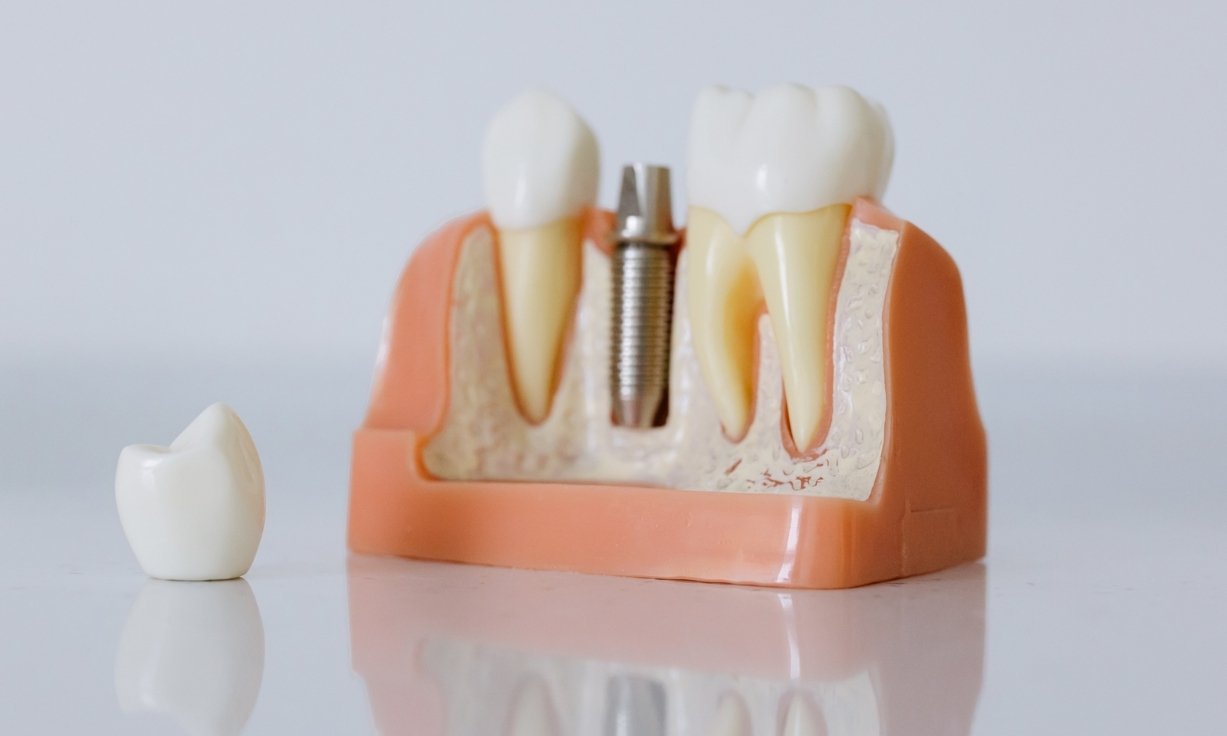
Picture yourself confidently smiling at photographs, savoring your favourite foods, and speaking openly without hesitation about your teeth. Dental implants are a fantastic innovation for many persons with missing teeth- they restore function and beauty.
However, good care is essential to fully enjoying dental implants. Without proper care, even the best implants will have problems, such as pain or, in the worst case, failure.
In this guide, we provide you with dentist-given recommendations on how to maintain your dental implants in top-notch condition so they can be in service for years to come and keep your smile bright with confidence!
Foundation of Good Implant Care
Healthy gums and good oral hygiene are the necessary keys to long-lasting dental implants in Aurora, IL.
- Keep Healthy Gums: Implants rely on gum and bone support. Gum disease can cause infections undermining the required support, such as peri-implantitis.
- Avoid Smoking: Your implant is going to be more likely to fail due to the lack of oxygen to the gums from smoking.
- Healthy Diet: Calcium, vitamin D, and other nutrients promote healthy bones and gums.
Daily Implant Care Routine
Your day-to-day oral hygiene routine plays a vital role in many aspects of keeping your implants clean and healthy:
- Brushing: Brush your teeth twice daily, making sure you clean around the implant thoroughly. Use a soft-bristle toothbrush and non-abrasive toothpaste to avoid scratching the implant surface.
- Flossing: Flossing at least once per day with implant-safe floss or interdental brushes helps to eliminate plaque and food particles between teeth and implants.
- Mouthwash: Rinse with an alcohol-measurable mouthwash, quite possibly an antibacterial, to eliminate harmful bacteria without dehydrating the gums.
Prevention of Damage to Your Implants
Damaging habits and neglect can also harm implants like natural teeth. So avoid:
- Prevent Grinding of Teeth: Grinding (bruxism) adds excess force on the implants, resulting in loosening or even breaking. At night, one could use nightguards to prevent damage to your implants.
- Do Not Use Your Teeth as Tools: Open packages with scissors, not your mouth; clip nails with nail clippers, not your teeth; do not chew on hard things like ice and pens.
- Introducing Implant-Safe Foods: Implants are made to last really long, but they do not insulate your mouth from chewing on hard items such as ice or hard candies.
Identification and Prevention of Implant Complications
Even under correct care, implants might still develop complications. Early recognition is required to avoid rather more serious complications:
- Signs of Infection: If the gums around the implant appear red, swollen, or bleeding, it may be an indication of peri-implantitis, an infection that can lead to implant failure if not treated.
- Be Aware of Pain or Loose Implant: Annoying or loosened implant should be reported to your dentist immediately.
- Receding Gums: If it results into receding gums from the implant, it could be associated either to improper oral hygiene or undue force on the implant.
Professional Care and Frequent Check-ups
Dental professionals stress the importance of routine dental check-ups. During an appointment, the dentist will do the following:
- Professional Cleaning: The dentist will remove plaque deposits surrounding the implant with specialized tools that don’t damage it.
- Check for Stability: The dentist will check the health of the surrounding bone and gums in the implant.
- Early Intervention: Any minor problems like slight gum irritation will be treated at this stage to avoid larger scaling problems.
Dental implants are a long-term investment in your oral health and self-confidence. With proper care, good hygiene, and regular dental check-ups, you can keep your implants healthy for a long time. Taking these steps protects your implants and guarantees a beautiful smile and good health for the rest of your life.