Pay Online
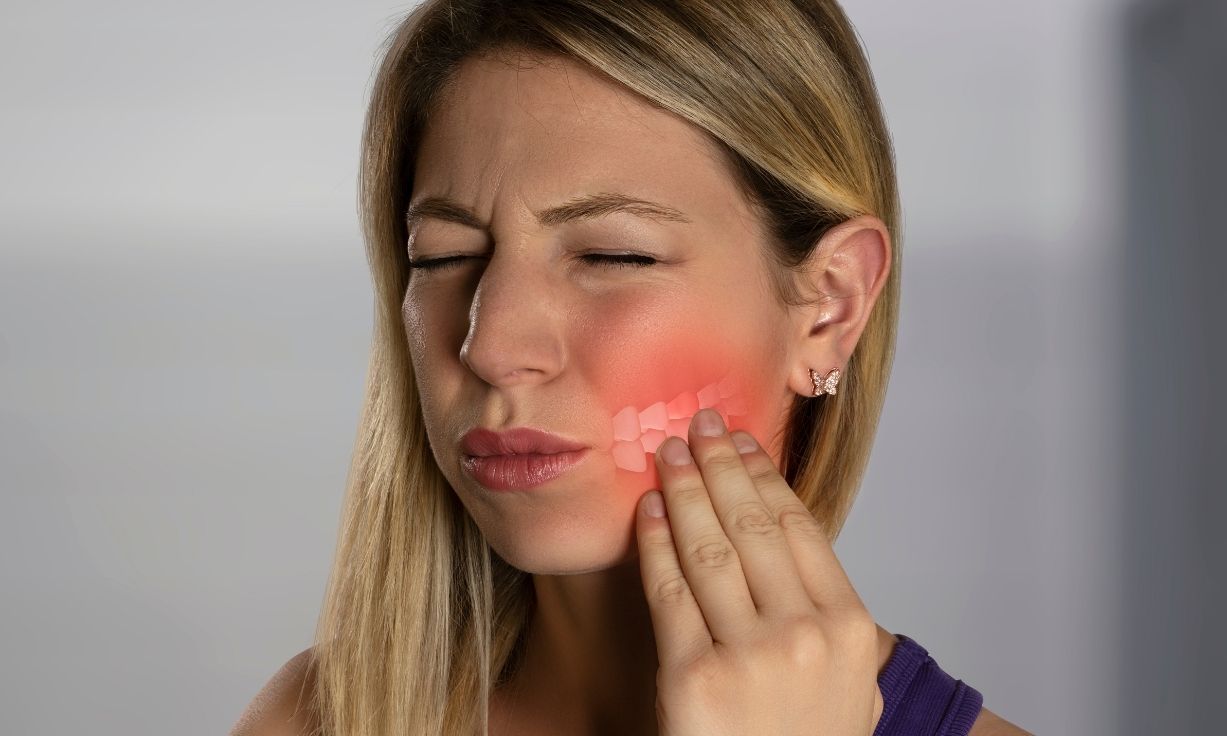
Toothaches can strike at any time, causing sudden discomfort and distress. Whether it’s a sharp, throbbing pain or a dull ache, a toothache can feel unbearable. In these moments, it’s essential to have some emergency relief tips on hand to manage the pain while waiting for a dental appointment. If you’re dealing with a toothache, you’re not alone, and help is available. This blog will guide you through a few simple steps to relieve the pain before you can see a dentist for a proper evaluation and treatment.
What to Do When a Toothache Strikes?
Experiencing a toothache can be overwhelming. However, there are immediate steps you can take to relieve some discomfort while awaiting emergency dental care in Aurora, IL. The right care can make a big difference in reducing pain and preventing further complications.
Emergency Relief Tips for Toothaches
If you’re feeling the sharp pangs of a toothache, follow these tips to ease your discomfort until you can get to a dentist.
- Rinse with Salt Water: A warm saltwater rinse can help clean the area around your sore tooth and reduce inflammation. Simply dissolve a teaspoon of salt in warm water and swish it around your mouth for about 30 seconds. It can also help loosen any debris that might be aggravating the pain.
- Apply a Cold Compress: Place a cold compress or ice pack wrapped in a cloth on the outside of your cheek near the aching tooth. This will help numb the area and reduce swelling. Apply it for 15-20 minutes at a time, then take a break.
- Use Over-the-Counter Pain Relievers: Non-prescription pain relievers like ibuprofen or acetaminophen can provide temporary relief. Be sure to follow the instructions on the packaging for proper dosage.
- Avoid Hot or Cold Foods and Drinks: Extreme temperatures can worsen tooth pain. Stick to room temperature or lukewarm food and beverages until you’re able to get to the dentist.
- Elevate Your Head While Sleeping: If the toothache is keeping you up at night, try sleeping with your head elevated on a pillow. This can help reduce blood flow to the affected area, preventing the pain from getting worse.
When to Seek Immediate Help?
While these emergency relief tips can provide short-term relief, it’s important to know when to seek professional care. Some toothaches require immediate attention, and putting off a dental visit could lead to more severe problems.
- Persistent Pain: If the pain lasts more than a day or worsens over time, it may indicate an infection or other serious dental issue that needs immediate attention.
- Swelling and Fever: If you notice swelling in your face or neck, or if you develop a fever along with the toothache, it’s important to see a dentist right away. These symptoms could point to an infection that requires antibiotics or a more extensive treatment.
- Injury or Trauma: If your toothache follows an injury, such as a fall or blow to the face, it could be a sign of a cracked or broken tooth that needs urgent care. In this case, avoid chewing on that side of your mouth and seek immediate dental care.
Preventive Measures for Future Toothaches
While it’s impossible to eliminate the risk of a toothache completely, there are a few simple steps you can take to minimize the chances of one occurring in the future.
Emergency Relief Tips to Prevent Tooth Problems
- Brush and Floss Regularly: Good oral hygiene is the first step in preventing toothaches. Brush your teeth at least twice a day and floss once a day to remove plaque and food particles that can lead to decay and pain.
- Visit Your Dentist Regularly: Regular dental check-ups are key to catching potential issues early. Even if you’re not experiencing pain, seeing your dentist every six months for a cleaning and check-up can help prevent future dental problems.
- Avoid Sugary and Acidic Foods: Foods and drinks that are high in sugar or acidity can erode enamel and contribute to tooth decay. Be mindful of your diet to protect your teeth from potential damage.
- Wear a Mouthguard: If you grind your teeth at night, talk to your dentist about getting a mouthguard. Grinding can cause tooth sensitivity and pain, leading to emergency situations.
When in Doubt, Call for Help
Toothaches can be disruptive and painful, but with the right emergency relief tips, you can manage the discomfort until you’re able to see a dentist. Whether it’s rinsing with salt water or applying a cold compress, these methods can help make the waiting period more bearable. Remember, if your symptoms persist or worsen, don’t hesitate to reach out to a dentist for further care. The sooner you seek professional help, the better your chances of avoiding more serious dental issues down the line.
By practicing good dental hygiene and taking steps to prevent future dental issues, you can reduce the likelihood of toothaches and enjoy healthier teeth for years to come. If you ever need emergency dental care, make sure to contact a trusted dental provider to get the relief you need.