Pay Online
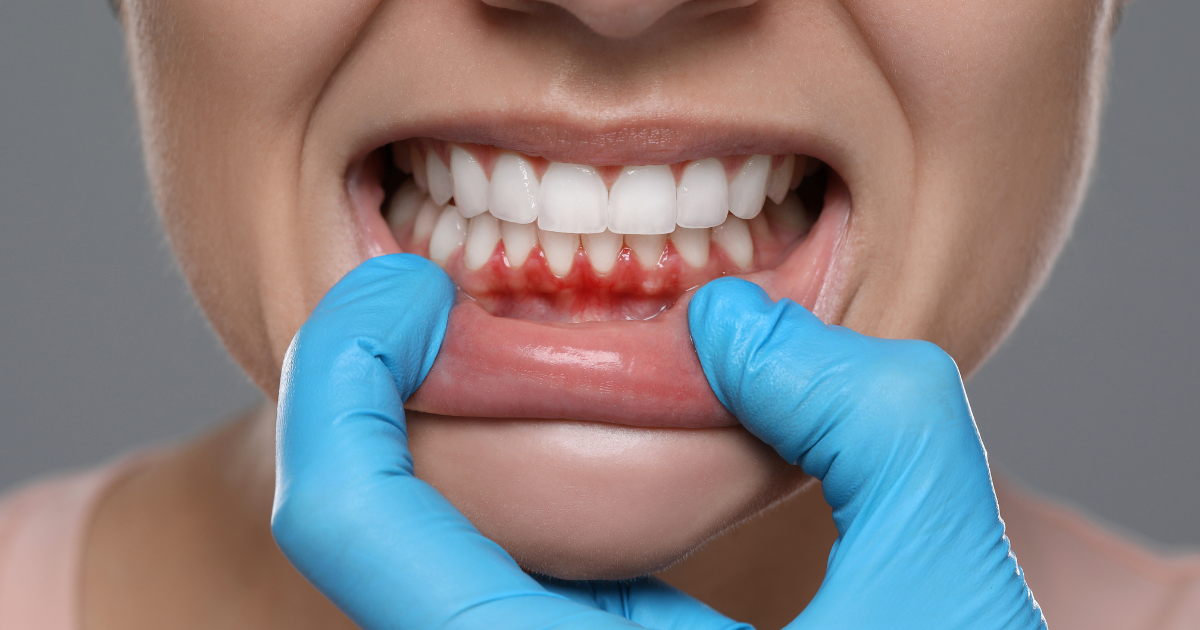
Gum disease affects millions of people worldwide, often without them even realizing it. It’s a common condition that can lead to serious health problems if left untreated. In this blog, we will explore what gum disease is, its symptoms, stages, and the various treatment options available. By understanding gum disease, you can take proactive steps to maintain your oral health and prevent serious complications.
What is Gum Disease?
Gum disease, also known as periodontal disease, is an infection of the tissues that surround and support your teeth. It begins with plaque buildup on your teeth, leading to inflammation of the gums. If not addressed, it can progress to more severe stages, ultimately affecting the bones that support your teeth.
Symptoms of Gum Disease
Recognizing the signs of gum disease early is crucial for effective treatment. Common symptoms include:
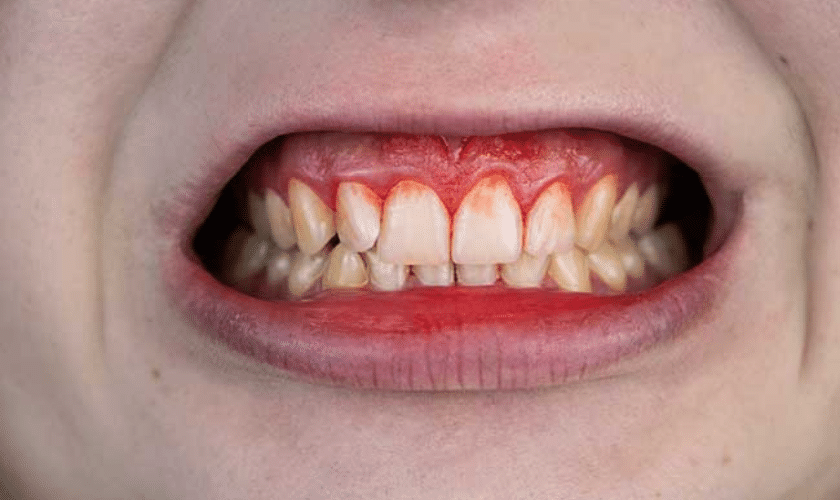
- Swollen gums: Gums may appear red and swollen.
- Bleeding: You might notice bleeding during brushing or flossing.
- Bad breath: Persistent bad breath can be a sign of infection.
- Receding gums: Gums may pull away from the teeth, making them appear longer.
- Loose teeth: In advanced cases, teeth can become loose due to bone loss.
If you experience any of these symptoms, it’s essential to consult your dentist promptly.
Stages of Gum Disease
Gum disease progresses through several stages, each requiring different levels of treatment. Here are the main stages:
- Gingivitis:
- This is the earliest stage of gum disease.
- It is characterized by swollen and bleeding gums.
- At this point, the condition is reversible with good oral hygiene.
- Mild Periodontitis:
- If gingivitis is left untreated, it can advance to mild periodontitis.
- Gum pockets start to form, and bone loss may begin.
- Treatment at this stage is still effective.
- Moderate Periodontitis:
- This stage involves increased gum recession and deeper pockets.
- There is more significant bone loss.
- Gum disease treatment at this point may include professional cleaning and possible surgical options.
- Advanced Periodontitis:
- This is the most severe stage.
- Patients may experience loose teeth and severe gum recession.
- Extensive treatment, including surgery, may be necessary to restore oral health.
Understanding gum disease stages can help you recognize when to seek treatment and take action.
Treatment Options for Gum Disease
Effective treatment for gum disease varies depending on its stage. Here are some common gum disease treatment options:
- Professional Cleaning:
- Dentists or dental hygienists perform deep cleaning to remove plaque and tartar.
- This helps in reversing gingivitis.
- Scaling and Root Planing:
- This is a non-surgical procedure that cleans below the gum line.
- It smooths out rough spots on the roots, making it harder for bacteria to attach.
- Medications:
- Antibiotics may be prescribed to help control bacterial infection.
- Antimicrobial mouth rinses can also be beneficial.
- Surgery:
- In advanced cases, surgical procedures like flap surgery or bone grafting may be necessary.
- These options help restore the supporting structures of the teeth.
Maintaining good oral hygiene is essential for preventing gum disease and ensuring successful treatment.
Preventing Gum Disease
Prevention is always better than treatment. Here are some effective ways to reduce your risk of gum disease:
- Brush regularly: Brush your teeth at least twice a day with fluoride toothpaste.
- Floss daily: Flossing removes plaque between teeth and below the gum line.
- Visit your dentist: Regular dental check-ups help detect gum disease early.
- Avoid tobacco: Smoking and chewing tobacco can increase your risk.
- Eat a balanced diet: A healthy diet supports overall oral health.
By incorporating these habits into your routine, you can significantly lower your risk of developing gum disease.
Gum disease is a serious condition that can impact your oral health and overall well-being. By recognizing the symptoms, understanding the stages, and knowing the treatment options, you can take charge of your dental health. Prioritize regular dental visits and maintain good oral hygiene to keep your gums healthy. Remember, preventing gum disease is easier than treating it, so take action today!