Pay Online



Did you know that nearly 20% of adults have untreated cavities? These situations often lead to difficult choices between root canal therapy and tooth extraction. Understanding the benefits of this therapy is essential for maintaining your dental health and overall well-being.
This blog explores root canal therapy, why it is preferable to extraction, and how it can positively impact your life. It will compare both options and discuss the emotional and aesthetic advantages of keeping your natural teeth.
Understanding Root Canal Therapy
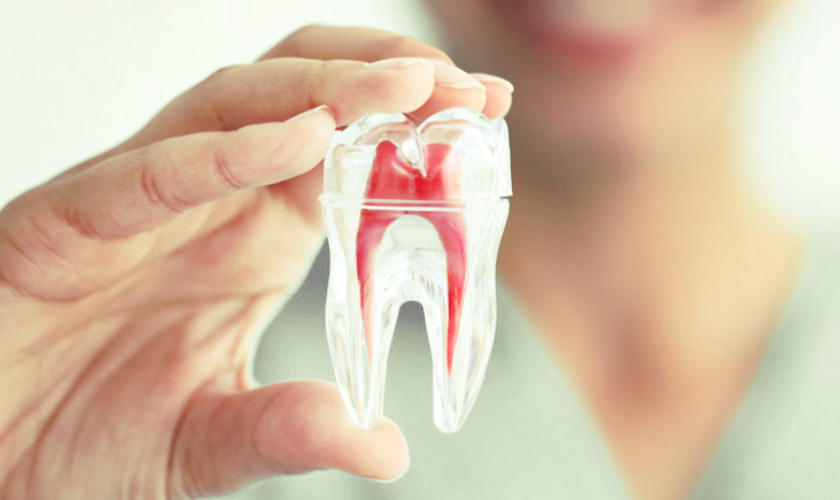
Root canal therapy is a dental procedure designed to save an infected tooth. During the process, a dentist removes the infected pulp from inside the tooth. The area is then cleaned, disinfected, and sealed. Many people think root canals are painful, but modern techniques and anesthesia make the procedure comfortable. In fact, it often relieves pain instead of causing it.
You might need this therapy if you experience symptoms like severe toothaches, prolonged sensitivity to hot or cold, or swollen gums. These signs indicate that the tooth pulp is damaged or infected. Early intervention can prevent further complications and save your tooth.
Understanding Tooth Extraction
Tooth extraction is the complete removal of a tooth from its socket in the bone. Dentists usually recommend this procedure for teeth that are severely decayed, infected, or damaged. Extraction may also be necessary for overcrowding or impacted teeth, particularly wisdom teeth.
However, tooth extraction comes with significant consequences. Losing a tooth can affect your ability to chew and speak properly. Moreover, the gap left by an extracted tooth can cause neighboring teeth to shift, leading to alignment issues. The jawbone may also weaken over time without the tooth’s root, impacting your facial structure.
Comparing Root Canal Therapy and Tooth Extraction
Preservation of Natural Teeth
Preserving your natural teeth is vital for overall dental health. Every tooth plays a specific role in your mouth, contributing to effective chewing, speaking, and alignment. When you lose a tooth, the surrounding teeth can shift, leading to further dental complications.
Gaps in your smile can also impact your self-esteem and affect how you interact socially. Root canal therapy allows you to keep your natural tooth, preserving its function and maintaining the integrity of your bite.
By opting for a root canal, you save a tooth and protect your jawbone health, as it prevents bone loss that often occurs after extraction.
Long-Term Benefits of Root Canal Therapy
Root canal therapy has significant long-term benefits. With the right care, such as regular dental check-ups and good oral hygiene practices, a properly treated tooth can last a lifetime.
In contrast, extracted teeth typically require replacements like dental implants, bridges, or dentures. These replacements can be costly and may not restore the same functionality or aesthetic appeal as a natural tooth.
Furthermore, dental implants may involve additional procedures, such as bone grafting, which can increase treatment time and expenses. Choosing this therapy allows you to retain the natural structure of your tooth, offering durability and longevity.
Cost Considerations
When considering dental procedures, cost plays a crucial role. The initial cost of a root canal might seem higher than that of extraction. However, it is essential to consider the long-term savings associated with preserving your natural tooth.
Dental implants and bridges can be significantly more expensive than root canals. Moreover, these replacements may require future adjustments or replacements, leading to ongoing costs.
By investing in this therapy, you minimize the risk of additional dental work, making it a more economical choice in the long run.
Recovery and Pain Management
Recovery time is another important factor to consider. After root canal therapy, most patients experience only mild discomfort, which is manageable with over-the-counter pain relievers. Many can return to their daily activities within a day or two.
In contrast, tooth extraction typically involves a longer recovery period. Patients may experience swelling, bleeding, and significant discomfort for several days following the procedure.
Dietary restrictions are often necessary during recovery from extraction, which can further complicate the healing process. Overall, root canal therapy offers a quicker recovery with less discomfort, making it a more appealing option for many patients.
The Psychological Aspect
Choosing root canal therapy over-extraction can greatly impact your quality of life. Keeping your natural teeth helps maintain your smile, which can boost your self-confidence. A healthy smile enhances your social interactions and can improve your overall emotional well-being.
Your smile is often the first thing people notice. Maintaining your natural teeth through root canal therapy can enhance your appearance. This choice can help you feel more confident in both personal and professional settings.
In summary, root canal therapy offers numerous advantages over tooth extraction. It preserves your natural teeth, ensures better long-term health, and can save you money in the long run.
If you face dental issues, consult our dentists to explore your options. We can provide personalized advice based on your situation. Choosing root canal therapy can lead to a healthier smile and a more confident you!