Pay Online
Maintaining your dental bridge is crucial for ensuring its longevity and comfort. A dental bridge not only restores your smile but also supports your oral health. Following specific care guidelines can help keep your bridge in excellent condition, allowing you to enjoy all the benefits it provides. Let’s delve into effective strategies to care for your dental restoration procedure.
Understanding Your Dental Bridge
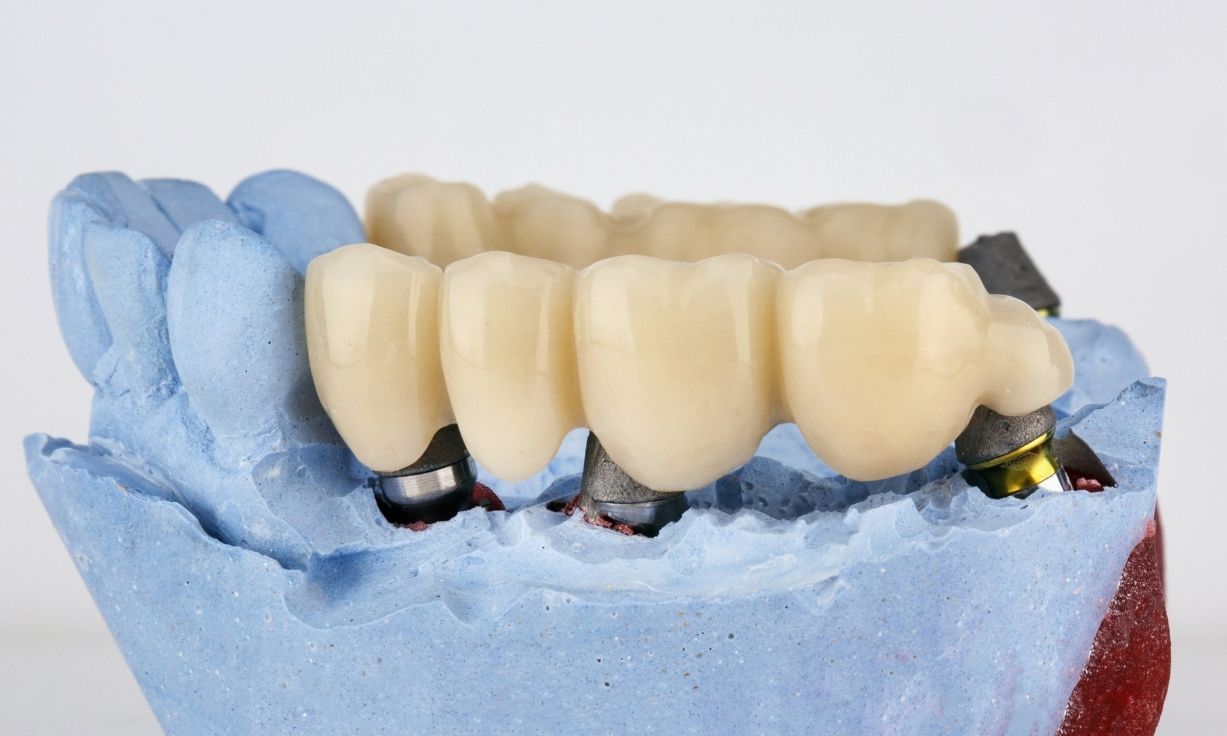
A dental bridge is a common solution for filling gaps left by missing teeth. It typically consists of two or more crowns on either side of the gap, with a false tooth in between. This structure not only enhances your smile but also aids in proper chewing and speaking. Understanding the components and functionality of your bridge can help you appreciate the importance of its care.
Daily Hygiene Practices
Just like natural teeth, dental bridges require daily care. Establishing a robust oral hygiene routine is essential for prolonging the life of your bridge.
Brush Regularly
Brushing your teeth is the cornerstone of any oral care routine. Use a soft-bristled toothbrush and fluoride toothpaste to clean your bridge and surrounding teeth twice a day. Ensure you brush the areas around the crowns thoroughly. This helps remove plaque and food particles that can accumulate around your bridge.
Flossing Techniques
Flossing plays a vital role in maintaining the health of your dental bridge. Use a floss threader or super floss designed for bridges. These tools allow you to clean beneath the bridge effectively. Make it a habit to floss at least once daily. This practice helps prevent gum disease and decay around your bridge.
Rinse with Mouthwash
Incorporating an antibacterial mouthwash into your routine can further protect your bridge. Rinse daily to reduce plaque buildup and maintain fresh breath. Mouthwash can reach areas that brushing and flossing may miss, ensuring comprehensive oral care.
Regular Dental Visits
Regular check-ups with your dentist are vital for maintaining the health of your dental bridge. During these visits, your dentist can monitor the condition of your bridge, identify any potential issues, and perform professional cleanings.
Professional Cleanings
Scheduling professional cleanings at least twice a year is beneficial. Dentists use specialized tools to remove tartar and plaque that brushing and flossing may miss. These cleanings can help extend the life of your bridge and ensure your mouth stays healthy.
Monitoring Your Bridge
At each visit, discuss any concerns you have regarding your dental bridge. Changes in your bite or discomfort may indicate that your bridge needs adjustment. Early detection of issues can help prevent more serious problems down the line.
Lifestyle Considerations
Your daily habits can significantly impact the longevity and comfort of your dental bridge. Adopting healthier choices can make a difference in your oral health.
Avoid Hard and Sticky Foods
Although dental bridges are durable, they are not indestructible. Avoid hard foods like nuts and hard candies that can damage your bridge. Sticky foods, such as taffy, can dislodge the bridge or get stuck in hard-to-reach places. Choose softer foods that are easier on your dental work.
Limit Staining Foods and Drinks
Certain foods and beverages can stain your bridge over time. Limit your intake of coffee, tea, red wine, and dark berries to prevent discoloration. If you enjoy these items, consider rinsing your mouth with water afterward to help minimize staining.
Quit Smoking
Smoking not only stains your bridge but also adversely affects your overall oral health. Quitting smoking can enhance the longevity of your bridge and improve your smile’s appearance. It also lowers your risk of gum disease and other dental issues.
Managing Discomfort
If you experience discomfort with your dental bridge, addressing it promptly is crucial. Various factors can contribute to discomfort, and understanding how to manage it can lead to a better experience.
Identify the Cause
Understanding what triggers your discomfort is the first step. If your bridge feels loose or painful, it could be due to gum inflammation, plaque buildup, or an underlying dental issue. Monitor your symptoms and consult a dental professional if they persist.
Use Over-the-Counter Pain Relief
For mild discomfort, over-the-counter pain relievers can help alleviate the pain. Always follow the recommended dosages and consult your dentist if the pain continues or worsens. Avoid self-diagnosing; a professional evaluation is often necessary to identify the root cause.
Protecting Your Dental Bridge During Sports
If you engage in sports or other physical activities, protecting your dental bridge is crucial. An athletic mouthguard can safeguard your dental work from injury during contact sports.
Invest in a Custom Mouthguard
Consult your dentist about a custom mouthguard designed to fit your mouth and accommodate your bridge. A well-fitted mouthguard will provide better protection than a generic one. Using a mouthguard during sports can prevent damage and discomfort, allowing you to enjoy your activities worry-free.
Be Mindful of Changes
Stay aware of any changes in your dental health. Swelling, bleeding gums, or changes in bite can indicate underlying problems. Early intervention can prevent complications and ensure your dental bridge remains intact.
Keep Track of Your Oral Health
Maintain a journal or log of any changes you notice in your mouth. Record discomfort, changes in your bite, or other concerns. This documentation can be beneficial during dental appointments and help your dentist understand your situation better.
Understanding the Lifespan of Your Dental Bridge
Dental bridges are designed to be durable but may require replacement after several years. Understanding the expected lifespan can help you plan for the future.
Factors Affecting Longevity
Several factors influence how long your bridge lasts. Your oral hygiene routine, dietary choices, and lifestyle habits all play a role. Maintaining good care practices can extend the life of your bridge significantly.
Signs It’s Time for a Replacement
If your bridge becomes loose, discolored, or causes discomfort, it may be time for a replacement. Regular visits to your dentist can help monitor your bridge and provide guidance on when to consider an update.
Emotional Well-Being and Your Smile
Your dental bridge can significantly impact your self-esteem and overall confidence. Taking care of your bridge contributes to not only your oral health but also your emotional well-being.
Boosting Your Confidence
A beautiful smile can boost your self-confidence and improve your social interactions. Regular care and maintenance ensure your bridge looks great and functions properly. When you feel confident about your smile, it can positively affect many areas of your life.
Seeking Support When Needed
If you experience anxiety or discomfort about your dental health, don’t hesitate to seek support. Whether it’s discussing concerns with your dentist or talking to friends and family, open communication can help alleviate worries and improve your experience.
Maintaining your dental bridge is essential for enjoying its benefits and ensuring your oral health. By following these care tips, you can extend the life of your bridge and enhance your comfort. Regular dental visits and daily hygiene practices are critical in keeping your bridge in top shape. If you have questions about your dental health or need personalized advice, consider consulting your local trusted dentist for expert guidance.
By prioritizing your dental bridge care, you invest in your smile and overall well-being, allowing you to enjoy life with confidence and comfort.