Pay Online


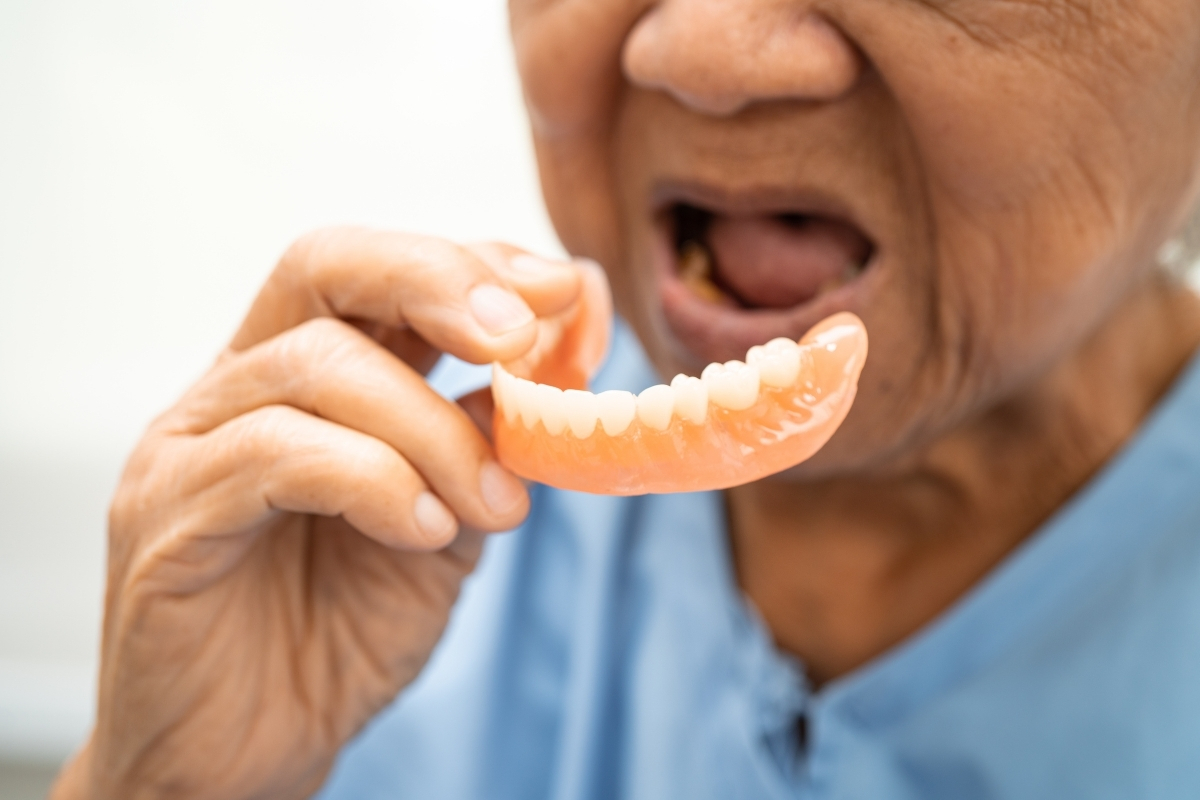
Adjusting to dentures can feel challenging at first, especially when it comes to eating your favorite foods. Whether you’ve just received your first set or are still in the process of getting used to them, the transition requires patience and practice. They are designed to improve your oral function, but it’s natural to wonder if you can eat the same way you did before.
With the right guidance and a few adjustments, you’ll be back to enjoying meals with ease. Here’s everything you need to know about eating with dentures and tips to ensure a smooth transition.
Getting Started with Your New Dentures
The first few weeks with dentures are usually the hardest. Your gums and mouth need time to adjust, and your muscles have to relearn how to chew and speak with them in place. Eating can be a bit awkward during this period, but it’s entirely normal.
Start by practicing chewing and speaking while at home. This can help build confidence before tackling meals in public. The first step in this process is to focus on the basics.
Choose Soft Foods in the Beginning
When you start eating with dentures, it’s a good idea to choose softer foods. These options are easier to chew, allowing your mouth to adapt. Some good choices include:
- Mashed potatoes
- Scrambled eggs
- Soft fruits like bananas
- Cooked vegetables
- Yogurt and pudding
These foods are gentle on your gums and need minimal chewing effort. Start with small bites and chew slowly, giving your denture time to adjust to the new movements.
Practice Makes Perfect
The more you practice chewing, the more comfortable you’ll become. It’s not just about getting through the meal – you need to focus on how to chew properly with denture. Start by chewing food on both sides of your mouth evenly. This helps keep the denture stable, reducing the chance of them slipping out of place.
Cutting your food into smaller pieces is another helpful strategy. The smaller the bite, the less work your mouth has to do, allowing you to chew more efficiently and comfortably.
Managing Tougher Foods
Once you’re feeling confident with softer foods, you can gradually introduce firmer textures. Meats, crunchy vegetables, and bread can be more challenging, but with time, you’ll learn how to manage them effectively. A few tips to handle tougher foods include:
- Use both sides of your mouth to chew. This balances pressure on your denture.
- Avoid biting directly into hard foods such as apples or carrots. Instead, cut them into smaller pieces.
- Chew slowly and take your time. Rushing can lead to discomfort or cause your denture to slip.
Remember that they are designed to mimic natural teeth, but they’re not exactly the same. It’s important to adjust your approach to chewing, especially when it comes to hard or sticky foods.
Foods to Be Cautious About
While dentures can handle most foods, certain textures can still cause issues. Hard, sticky, or chewy foods can be tricky and may dislodge them. Foods you might want to limit or avoid include:
- Sticky candies like caramels and taffy
- Tough cuts of meat like steak
- Nuts and seeds
- Chewing gum
That doesn’t mean you have to eliminate these items entirely, but enjoying them less frequently and with extra care can prevent discomfort or mishaps.
Adhesives: When to Use Them
Many people wonder if they should use denture adhesives. While well-fitted denture should stay in place without additional support, adhesives can provide extra confidence, especially when eating. Adhesives can help seal the denture to your gums, reducing the risk of them moving around.
If you do choose to use adhesives, make sure to follow the instructions carefully and clean your denture thoroughly each day. You don’t want any residue affecting your oral hygiene.
Handling Sore Spots
It’s common to experience minor irritation or sore spots in your mouth, particularly during the first few weeks of wearing dentures. These discomforts usually fade as your gums adjust. However, if soreness persists or worsens, consult your dentist for adjustments. In the meantime, stick to softer foods and rinse your mouth with salt water to reduce inflammation.
Confidence at Mealtime
One of the biggest challenges for new denture wearers is regaining confidence during meals. Social gatherings or dining out can feel daunting at first, but with time, these situations will become easier. Here are a few tips to boost your confidence:
- Practice eating different foods at home before trying them in public.
- Keep water handy to help with swallowing and avoid dry mouth.
- Don’t hesitate to excuse yourself for a quick rinse if your denture feel uncomfortable.
With patience and persistence, you’ll be able to enjoy meals with friends and family without worrying about your dentures.
Long-Term Tips for Success
As you continue adjusting, there are a few habits you can develop to maintain comfort and oral health while wearing dentures:
- Regular Cleaning: Just like natural teeth, denture requires regular cleaning to prevent plaque and bacteria buildup. Make it a habit to brush them daily and soak them overnight in a denture cleanser.
- Routine Checkups: Regular visits to your dentist ensure your denture remain well-fitted and in good condition. Your dentist can make necessary adjustments and address any concerns.
- Healthy Diet Choices: A balanced diet is essential for both your overall health and the longevity of your denture. Incorporate nutrient-rich foods that support gum health, like leafy greens, lean proteins, and dairy products.
With these tips in mind, eating with dentures will become second nature in no time.
Embracing a New Normal
Transitioning to life with dentures isn’t something that happens overnight, but with practice, you’ll adapt quickly. Eating normally may take time, but by following these strategies, you’ll regain confidence and enjoy your meals once again. And if you need any assistance, your Aurora dentist can help guide you through this process and make any necessary adjustments to ensure the best fit possible!