Pay Online
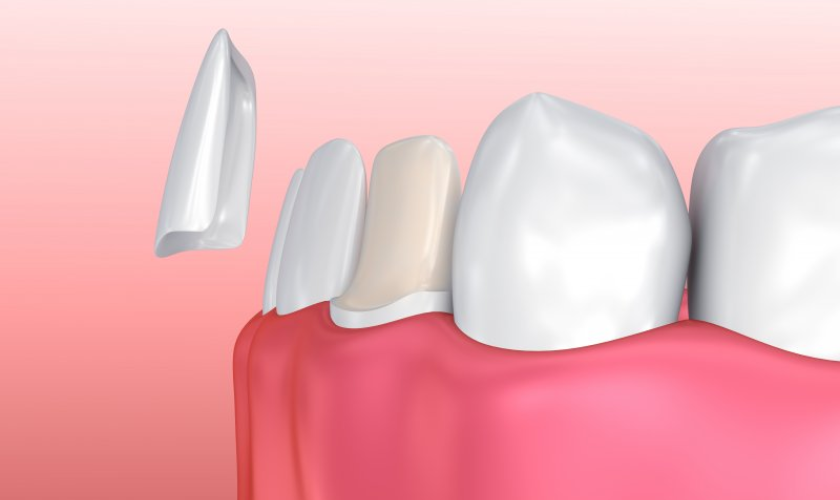
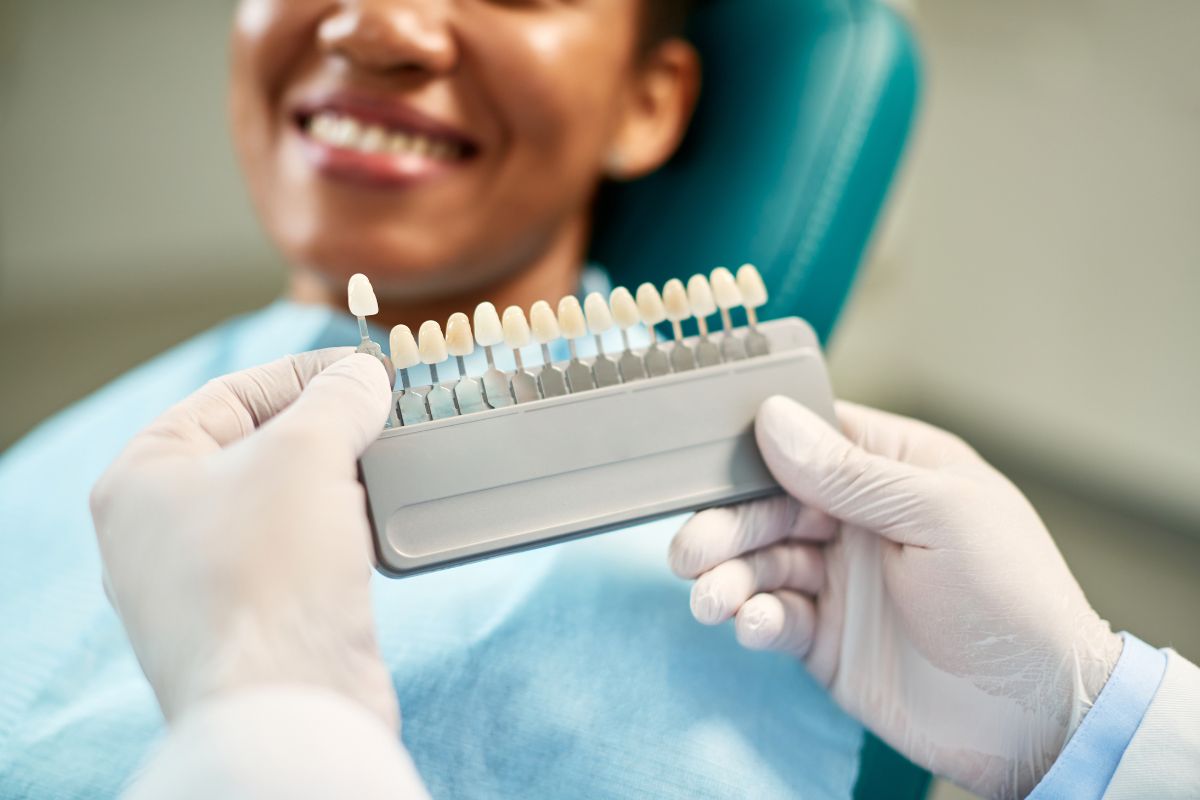
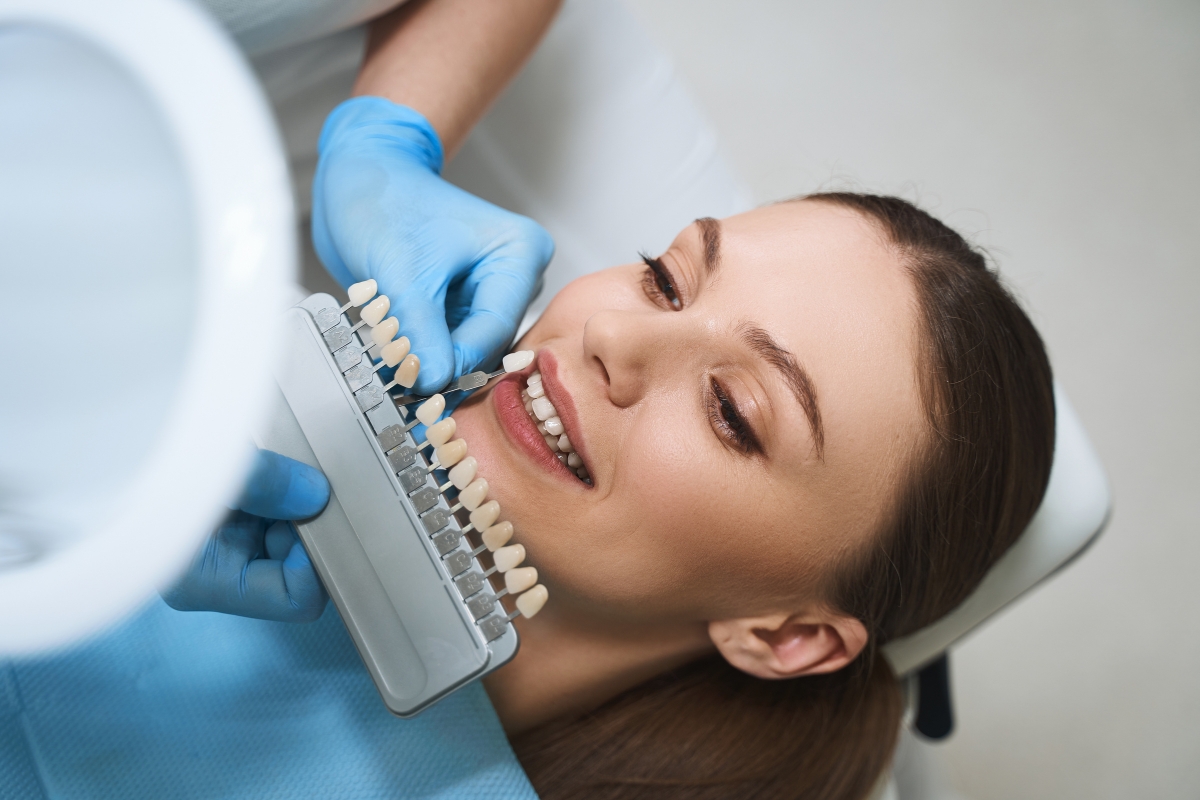
Imagine this: you’re laughing with friends, enjoying a meal, when suddenly you feel a strange sensation in your mouth. A quick touch confirms your worst fear – your veneer has come loose! Don’t panic! While a fallen veneer can be disconcerting, it’s a situation many people face, and with the right steps, you can restore your smile with minimal hassle. Here’s what you should do, just like a human would:
Step 1: Breathe Easy and Locate the Veneer
The first instinct might be to panic, but staying calm is crucial. Take a deep breath and assess the situation. If possible, try to locate the fallen veneer. Look for it carefully in your mouth or napkin.
Step 2: Secure the Veneer (if Possible)
Important Note: This step is only applicable if the veneer fell off very recently (ideally within the last 24 hours) and appears undamaged.
- Rinse the Veneer: Gently rinse the veneer with clean water to remove any debris or saliva.
- Do Not Use Harsh Chemicals: Avoid using any harsh chemicals, toothpaste, or soap, as they can damage the veneer’s surface.
- Try Repositioning (with Caution): If the veneer seems undamaged, you can attempt to reattach it temporarily. Apply a very small amount of over-the-counter denture adhesive (not superglue!) to the inner surface of the veneer. Carefully position the veneer back on the tooth and apply gentle pressure for a few seconds.
Step 3: Contact Your Dentist Immediately
Regardless of whether you were able to reattach the veneer temporarily, contacting your dentist as soon as possible is essential. Here’s why:
- Professional Reattachment: Dentists have the expertise and tools to properly reattach the veneer using strong dental adhesives that ensure a long-lasting bond.
- Damage Assessment: Even if the veneer appears undamaged, a dentist can examine it for any cracks or chips that might require repair or replacement.
- Underlying Issues: Sometimes, a fallen veneer might indicate underlying problems like tooth decay or a weak bond. A dentist can identify and address these issues before reattaching the veneer.
Step 4: Protecting Your Exposed Tooth (While You Wait)
While you wait for your dental appointment, here are some tips to protect the exposed tooth:
- Avoid Chewing on the Exposed Area: This can damage the tooth or irritate the surrounding gum tissue.
- Use Dental Wax (Optional): If the exposed tooth feels sharp or uncomfortable, you can apply a small amount of over-the-counter dental wax to the area for temporary relief. However, ensure you don’t swallow the wax.
- Maintain Good Oral Hygiene: Continue brushing and flossing your teeth as usual, but be gentle around the exposed area.
Veneer Detachment: Understanding the Causes
Several factors can contribute to a veneer’s detachment:
- Wear and Tear: Over time, veneers can weaken due to everyday wear and tear from chewing, grinding teeth, or consuming hard foods.
- Improper Care: Neglecting proper oral hygiene practices can lead to plaque buildup, weakening the bond between the veneer and the tooth.
- Underlying Damage: Sometimes, a fallen veneer can be a sign of underlying damage to the tooth itself, like decay or a chipped tooth.
Preventing Future Detachments: Tips for a Lasting Smile
By following these tips, you can minimize the risk of your veneers falling off in the future:
- Maintain Excellent Oral Hygiene: Brushing twice daily and flossing once daily removes plaque buildup and keeps your teeth and gums healthy, promoting a strong bond for your veneers.
- Schedule Regular Dental Checkups: Regular dental checkups allow your dentist to monitor your veneers and identify any potential issues before they become major problems.
- Avoid Damaging Habits: Avoid chewing on hard objects like ice or using your teeth to open things. These habits can put excessive stress on the veneers and contribute to their detachment.
- Discuss Nightguards: If you grind your teeth at night, talk to your dentist about using a nightguard. This can help protect your veneers from damage caused by teeth grinding.
A Radiant Smile Starts with Proactive Care
Veneers can be a fantastic way to achieve a beautiful, confident smile. By understanding what to do if your veneer falls off and taking steps to prevent future detachments, you can ensure your veneers last for years to come. Remember, a proactive approach to oral hygiene and regular dental care are key to maintaining a healthy and dazzling smile.