Pay Online
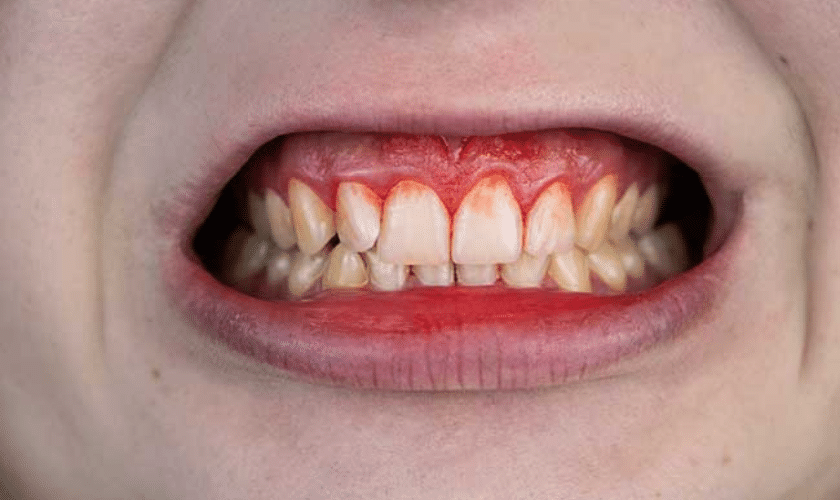
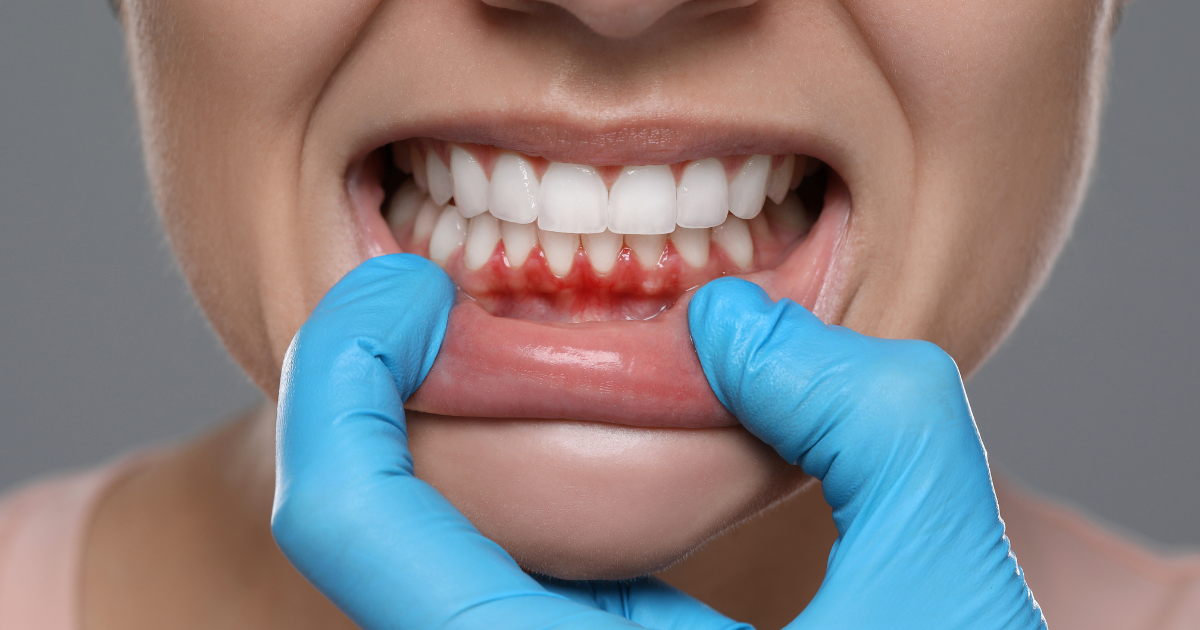
Gum disease, also known as periodontal disease, is a sneaky villain that attacks the foundation of your smile. It starts with gingivitis, an inflammation of the gums caused by plaque buildup. Left untreated, gingivitis can progress to periodontitis, a severe gum infection that can damage the bone supporting your teeth and lead to tooth loss.
While good oral hygiene and professional dental cleanings are the cornerstones of gum disease prevention and treatment, antibiotics sometimes play a supporting role. But with an array of antibiotics available, which ones are the foot soldiers in the fight against gum disease?
Understanding the Why: When Are Antibiotics Used for Gum Disease?
Antibiotics aren’t a one-size-fits-all solution for gum disease. They are typically reserved for moderate to severe cases of periodontitis, especially when accompanied by:
- Deep pockets: Healthy gums fit snugly around your teeth. In periodontitis, the gum tissue pulls away from the teeth, creating pockets that can harbor bacteria. Deep pockets (deeper than 5 millimeters) are more challenging to clean through brushing and flossing alone, and antibiotics can help reduce bacterial load.
- Aggressive infection: Sometimes, gum disease progresses rapidly, leading to significant bone loss and rapid gum recession. In such cases, antibiotics can help control the aggressive bacterial growth and create a more favorable environment for healing.
- Abscess: An abscessed tooth is a painful complication of gum disease where a pus-filled pocket forms near the tooth root. Antibiotics are crucial in such cases to combat the infection and reduce swelling.
The Antibiotic Arsenal: Weapons Against Periodontal Bacteria
Several types of antibiotics are commonly used to treat gum disease, each with its own mechanism of action:
- Tetracyclines: These broad-spectrum antibiotics have been workhorses in periodontal treatment for decades. They not only inhibit bacterial growth but also suppress the production of collagenase, an enzyme that breaks down bone tissue. Doxycycline and minocycline are commonly prescribed tetracyclines for gum disease. However, tetracyclines can cause sun sensitivity and are not suitable for pregnant or breastfeeding women.
- Macrolides: These antibiotics, like azithromycin, are effective against a wide range of bacteria associated with periodontitis. They primarily work by inhibiting bacterial protein synthesis, hindering their ability to grow and multiply. Macrolides can be a good option for patients who cannot tolerate tetracyclines.
- Metronidazole: This powerhouse antibiotic is particularly effective against anaerobic bacteria, which thrive in the oxygen-depleted environment of deep gum pockets. It’s often combined with other antibiotics like amoxicillin to create a broader spectrum of action. Metronidazole can have some side effects like metallic taste and nausea, but it’s generally well-tolerated.
- Fluoroquinolones: These antibiotics, like ciprofloxacin, are less commonly used in gum disease treatment due to the potential for developing resistance. However, they can be effective against specific strains of bacteria, particularly aggressive ones like Aggregatibacter actinomycetemcomitans, which can contribute to rapid bone loss.
The Right Weapon for the Right Battle: Choosing the Best Antibiotic
The choice of antibiotic for gum disease depends on several factors:
- Type of bacteria: Identifying the specific bacteria causing the infection helps your dentist select the most effective antibiotic.
- Severity of infection: The severity of your gum disease and the presence of complications like abscesses will influence the choice of antibiotic.
- Medical history and allergies: Certain antibiotics might not be suitable if you have underlying medical conditions or allergies.
Beyond Antibiotics: A Holistic Approach to Gum Disease
It’s important to remember that antibiotics are just one piece of the puzzle in treating gum disease. The foundation of treatment rests on:
- Scaling and root planing: This professional deep cleaning procedure removes plaque and tartar from above and below the gum line, creating a clean surface for healing.
- Excellent oral hygiene: Brushing twice daily, flossing once daily, and using a mouthwash recommended by your dentist are crucial for removing plaque and preventing future problems.
- Addressing underlying conditions: Certain medical conditions like diabetes can exacerbate gum disease. Managing these conditions can contribute to better gum health.
The Final Word: Partnering with Your Dentist to Fight Gum Disease
Gum disease is a treatable condition, but early diagnosis and intervention are key. If you experience symptoms like bleeding gums, persistent bad breath, or receding gums, schedule a dental appointment. Your dentist can assess your situation, determine the best course of treatment, and decide if antibiotics are necessary. With a combination of professional care, good oral hygiene, and sometimes, antibiotics, you can win the battle against gum disease and keep your smile healthy for