Pay Online

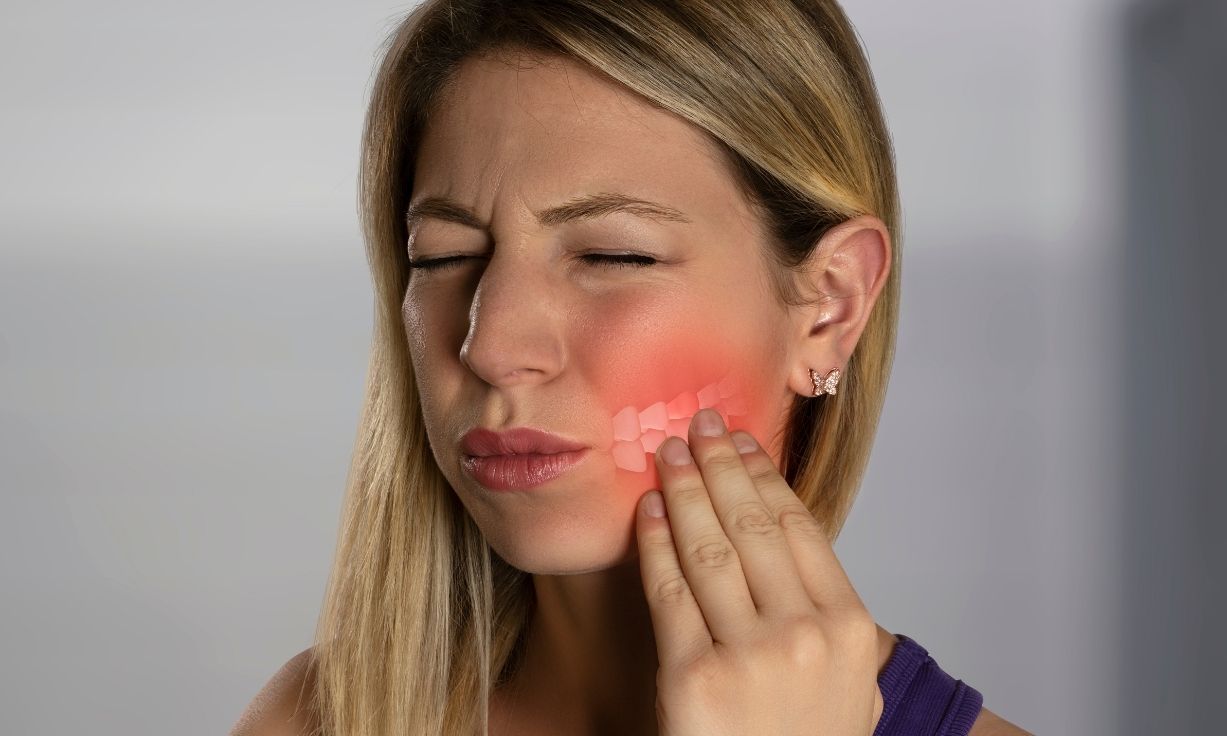
Dental emergencies can strike at any time, causing pain, discomfort, and anxiety. Whether it’s a broken tooth from an accidental fall or a severe toothache that just won’t subside, knowing how to respond can significantly impact your oral health and general well-being. Emergency dentists play a vital role in these situations, offering immediate care to alleviate pain, prevent further damage, and, when possible, save the tooth. This blog explores common dental emergencies, their immediate remedies, and how emergency dentists can help.
1. Toothaches: The Painful Prelude
One of the most common dental emergencies is a toothache, which can have various causes, including decay, abscess, fracture, or damaged filling. The pain may be constant, throbbing, or only occur when pressure is applied.
Immediate Remedy: Rinse your mouth with warm water and use dental floss to remove any food particles lodged between teeth. If swelling is present, apply a cold compress outside the affected area. Avoid placing painkillers directly against the gums near the aching tooth, as this can burn the gum tissue.
How Emergency Dentists Help: They will identify the cause of the toothache and may take x-rays to diagnose the problem accurately. Treatment could involve filling cavities, performing root canal therapy, or extracting the tooth, depending on the severity of the decay or damage.
2. Chipped or Broken Teeth: A Sudden Shock
Teeth can break or chip due to various reasons, including biting down on something hard, accidents, or sports injuries. This can lead to pain, especially if the break exposes the nerves inside the tooth.
Immediate Remedy: Rinse your mouth with warm water to clean the area. Apply a cold compress to reduce swelling. If you can find the broken tooth fragment, bring it with you to the dentist.
How Emergency Dentists Help: Treatment depends on the break’s severity. Minor chips can be smoothed or filled. For more significant breaks, the dentist may need to perform a root canal and place a crown on the tooth to restore its function and appearance.
3. Knocked-Out Tooth: Time Is of the Essence
Having a tooth knocked out is a true dental emergency. With prompt action, there’s a good chance the tooth can be saved.
Immediate Remedy: Pick up the tooth by the crown (the part that is visible in the mouth), avoiding touching the root. Rinse the tooth with water if it’s dirty, but do not scrub it. Try to reinsert it in the socket. If that’s not possible, place the tooth in a container of milk (or water with a pinch of salt) to keep it moist.
How Emergency Dentists Help: If you get to an emergency dentist within 1 hour, the tooth might be reimplanted. The dentist will clean the area and reinsert the tooth, stabilizing it with a splint until it reattaches to the bone.
4. Abscessed Tooth: A Hidden Hazard
An abscess is a painful infection at the root of a tooth or between the gum and a tooth. It’s a serious condition that can lead to tissue and bone damage if not treated.
Immediate Remedy: Rinse your mouth with mild salt water several times a day to reduce pain and draw the pus toward the surface.
How Emergency Dentists Help: Treatment involves eliminating the infection. The dentist may perform root canal therapy, extract the affected tooth, or prescribe antibiotics to clear the infection.
5. Lost Filling or Crown: More Than a Minor Inconvenience
Fillings and crowns can fall out, leaving the tooth unprotected and sensitive.
Immediate Remedy: Stick a piece of sugarless gum into the cavity (sugar-filled gum will cause pain) or use over-the-counter dental cement. Avoid using the tooth to bite down on anything hard.
How Emergency Dentists Help: The dentist will prepare the tooth’s surface and replace the filling or crown. If decay has developed beneath the filling or crown, further treatment may be necessary.
6. Soft Tissue Injuries: Cuts and Bleeding
Injuries to the lips, gums, or inside of the mouth can result from accidents, sports injuries, or biting down too hard.
Immediate Remedy: Rinse your mouth with a mild salt-water solution. Apply pressure to the bleeding site with a piece of gauze or a tea bag. If swelling is present, use a cold compress.
How Emergency Dentists Help: For severe cuts or lacerations, stitches may be necessary. The dentist will clean the wound and ensure there’s no risk of infection.
Emergency Dentists: Your Ally in Crisis
Emergency dentists specialize in addressing dental emergencies quickly and effectively. They understand the urgency of these situations and strive to see patients as soon as possible. Here’s how they can help:
- Prompt Pain Relief: The first priority of an emergency dentist is to alleviate your pain. They have the means to administer immediate pain relief through various methods, including local anesthesia, and can prescribe medications to help manage your discomfort following treatment.
- Prevent Further Damage: By addressing dental emergencies promptly, emergency dentists can prevent the situation from worsening. For example, a minor chip might seem inconsequential, but without prompt treatment, it could lead to a significant crack or infection, requiring more extensive and costly treatment.
- Comprehensive Care: Emergency dentists are equipped to handle a wide range of dental emergencies. They can perform procedures like root canals, extractions, and the placement of temporary crowns on the spot, which not only addresses the immediate issue but also sets the groundwork for any necessary long-term treatment.
- Saves Teeth: In cases of knocked-out teeth or severe decay, the timely intervention of an emergency dentist can mean the difference between saving and losing a tooth. Preserving your natural teeth is always preferable, as it maintains the integrity of your dental structure and avoids the need for more invasive procedures like implants or bridges.
- Prevents Complications: Dental emergencies, if left untreated, can lead to serious complications, including abscesses, spread of infection to other parts of the body, and significant pain that can impact your daily life. Emergency dentists play a crucial role in preventing these complications by providing immediate, effective treatment.
- Guidance and Follow-Up: After addressing the immediate emergency, these professionals can guide you on the next steps and necessary follow-up care to ensure a full recovery. This might include scheduling further restorative treatments or recommending preventive measures to avoid future emergencies.
How to Prepare for a Dental Emergency
While it’s impossible to predict when a dental emergency will occur, being prepared can help you respond more effectively:
- Know Your Dentist’s Emergency Policy: Find out how your dentist handles emergencies, including after-hours or weekend situations. Some dental offices have an on-call service for emergencies.
- Keep an Emergency Dental Kit: Just like a first-aid kit, keep a small dental kit handy. Include items such as gauze, a small container with a lid (for a knocked-out tooth), over-the-counter dental cement, and the contact information for your dentist.
- Practice Prevention: Many dental emergencies can be prevented with regular check-ups, maintaining good oral hygiene, and wearing protective gear like mouthguards during sports.
- Educate Yourself: Knowing the basic steps to take in the event of a dental emergency can make a significant difference in the outcome. Familiarize yourself with the immediate remedies for common dental issues.
Dental emergencies can be distressing, but with the right knowledge and access to emergency dental care, you can navigate these situations with confidence. Remember, the key to handling dental emergencies lies in quick action and seeking professional help. Emergency dentists are not just your first line of defense in such situations; they’re your partners in maintaining optimal oral health, even in the face of unexpected challenges.