Pay Online



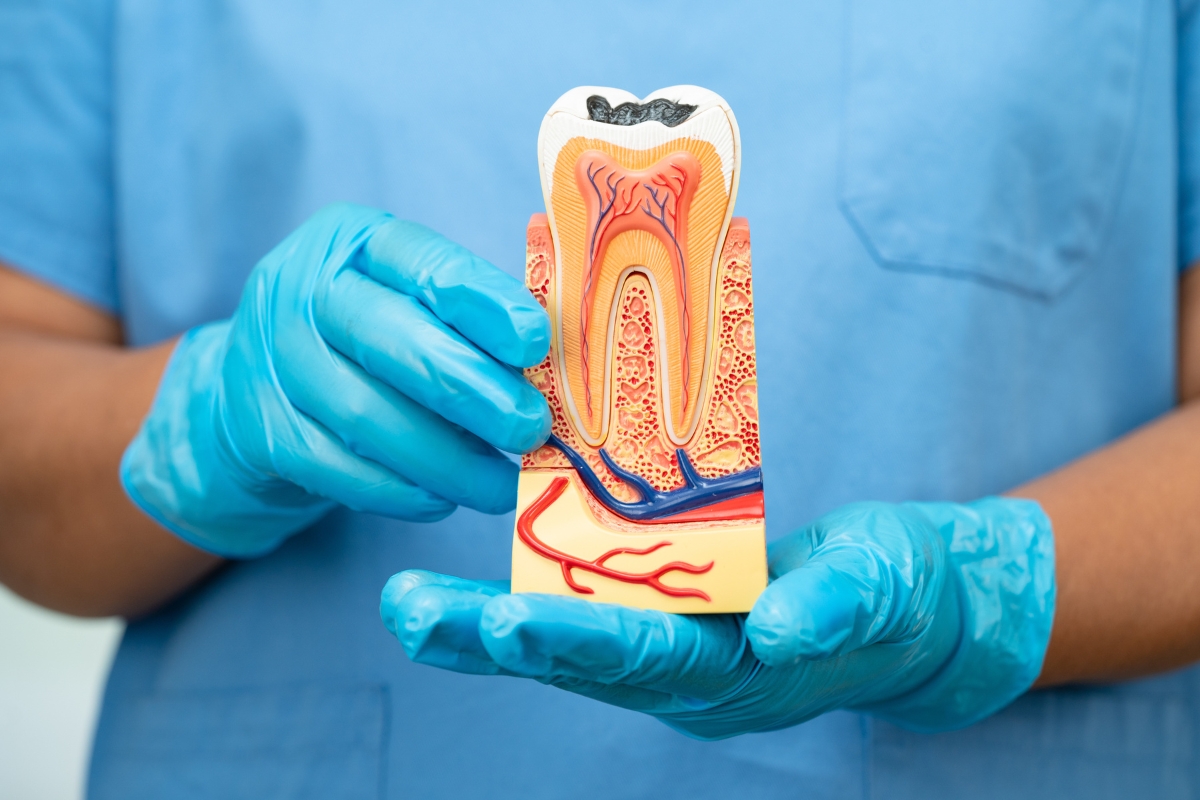
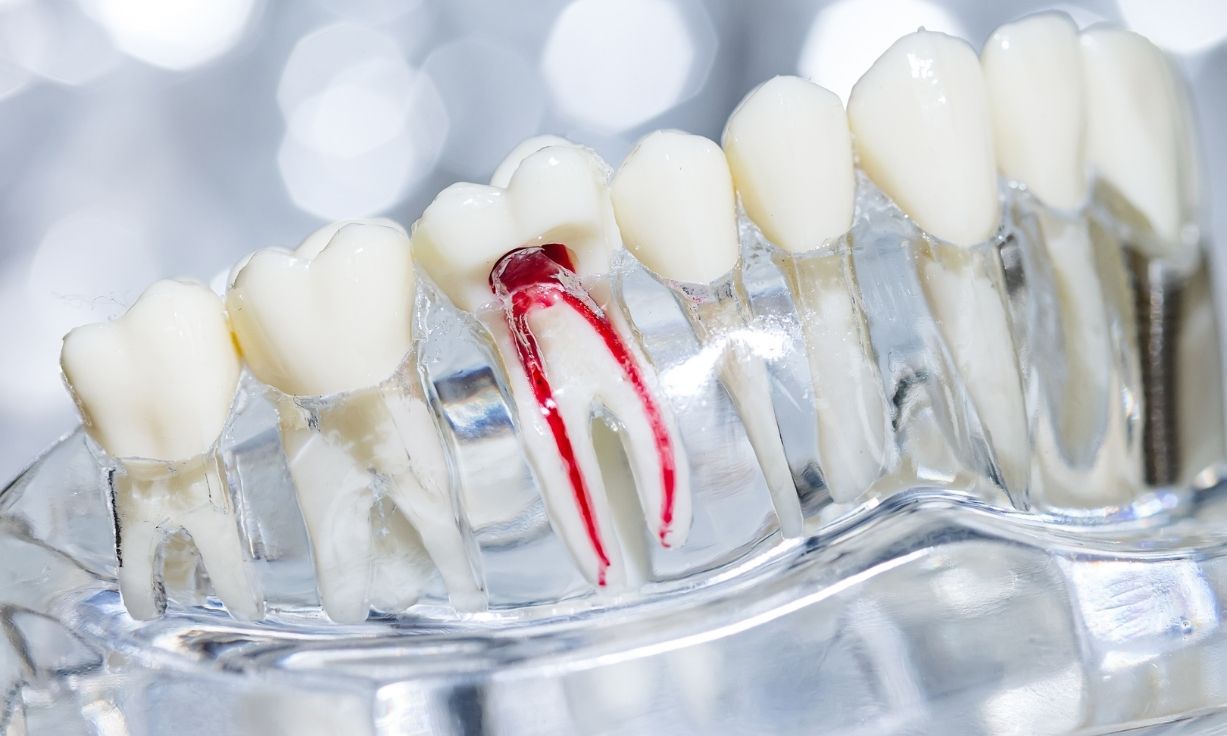
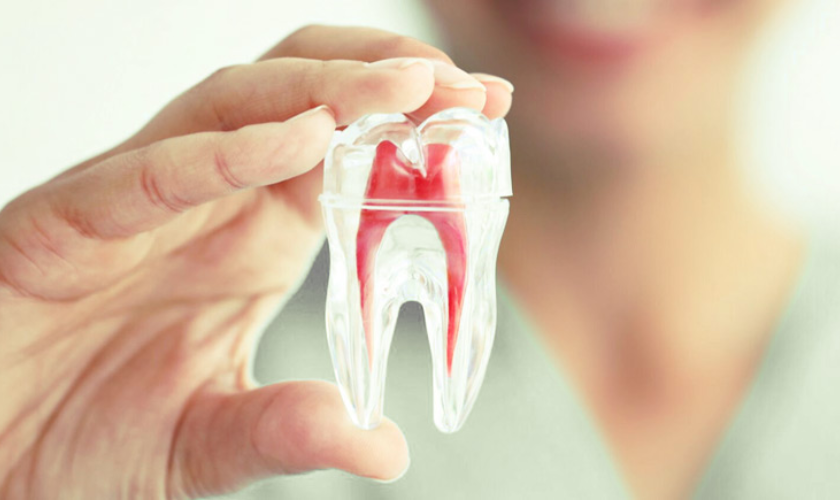
Root canal infections are a serious dental issue that can cause significant discomfort and potentially lead to more severe health problems if left untreated. The root canal is the innermost part of the tooth that houses the pulp, which contains nerves, blood vessels, and connective tissue. When bacteria penetrate the pulp, it can lead to infection, inflammation, and eventually, the need for a root canal procedure to remove the infected tissue.
While root canal infections can sometimes be asymptomatic, there are often signs and symptoms that indicate a problem. Recognizing these signs early can help you seek prompt treatment and prevent the infection from worsening. Here are some common signs that indicate you may have a root canal infection:
- Severe Tooth Pain: One of the hallmark symptoms of a root canal infection is intense and persistent tooth pain. The pain may be sharp or throbbing and can worsen when you bite down or apply pressure to the affected tooth. The discomfort may also radiate to other areas of the mouth, face, or head.
- Sensitivity to Temperature: If you experience heightened sensitivity to hot or cold temperatures, it could be a sign of a root canal infection. You may feel a sharp or shooting pain in response to consuming hot or cold foods and beverages, or even when breathing in cold air.
- Swelling and Tenderness: Inflammation and swelling around the affected tooth are common signs of infection. You may notice swelling in the gums or the surrounding area of the face. The gums may also appear red or feel tender to the touch.
- Prolonged Tooth Discoloration: A tooth that has become significantly discolored or darkened may indicate that the pulp inside the tooth has been compromised. This discoloration may be the result of internal bleeding or the breakdown of pulp tissue.
- Gum Abscess: A gum abscess, also known as a dental abscess, can develop when pus accumulates in the gums due to a bacterial infection. It may appear as a pimple-like bump on the gums near the affected tooth and can cause swelling, pain, and discomfort.
- Bad Breath or Taste: Persistent bad breath or an unpleasant taste in the mouth that does not improve with brushing or mouthwash could be a sign of a root canal infection. Bacteria from the infected tooth can produce foul-smelling gases and contribute to oral malodor.
- Loose or Shifting Teeth: As a root canal infection progresses, it can weaken the structure of the affected tooth and surrounding bone. This may cause the tooth to become loose or shift out of its proper alignment. In severe cases, tooth loss may occur if the infection is not treated promptly.
- Fever and Malaise: In some cases, a root canal infection can lead to systemic symptoms such as fever, fatigue, and overall malaise. These symptoms may indicate that the infection has spread beyond the tooth and into the surrounding tissues or bloodstream, which can have serious consequences if not addressed promptly.
If you experience any of these signs or symptoms, it is important to see a dentist as soon as possible for a thorough evaluation and appropriate treatment. Ignoring a root canal infection can lead to complications such as abscess formation, bone loss, and even systemic infection. Your dentist will perform a comprehensive examination, which may include X-rays and other diagnostic tests, to determine the extent of the infection and develop a treatment plan tailored to your needs.
Treatment for a root canal infection typically involves root canal therapy, also known as endodontic treatment. During this procedure, the dentist will remove the infected pulp tissue, clean and disinfect the root canal space, and seal it to prevent further infection. In some cases, antibiotics may be prescribed to help eliminate any remaining bacteria and prevent reinfection.
In more severe cases where the infection has caused significant damage to the tooth or surrounding tissues, extraction may be necessary. However, whenever possible, preserving the natural tooth through root canal therapy is preferred, as it helps maintain proper oral function and prevents the need for more extensive dental procedures such as dental implants or bridges.
In addition to seeking professional dental care, practicing good oral hygiene habits can help prevent root canal infections and other dental problems. This includes brushing your teeth at least twice a day, flossing daily, and scheduling regular dental check-ups and cleanings. Avoiding sugary foods and drinks, quitting smoking, and wearing a mouthguard during contact sports can also help protect your teeth and gums from injury and infection.
In conclusion, a root canal infection is a serious dental condition that requires prompt attention and treatment. Recognizing the signs and symptoms of a root canal infection, such as severe tooth pain, sensitivity to temperature, swelling, and gum abscesses, can help you seek timely care and prevent complications. If you experience any of these symptoms, do not hesitate to contact your dentist for evaluation and treatment. With proper care and intervention, you can preserve your oral health and avoid the need for more invasive dental procedures in the future.