Pay Online
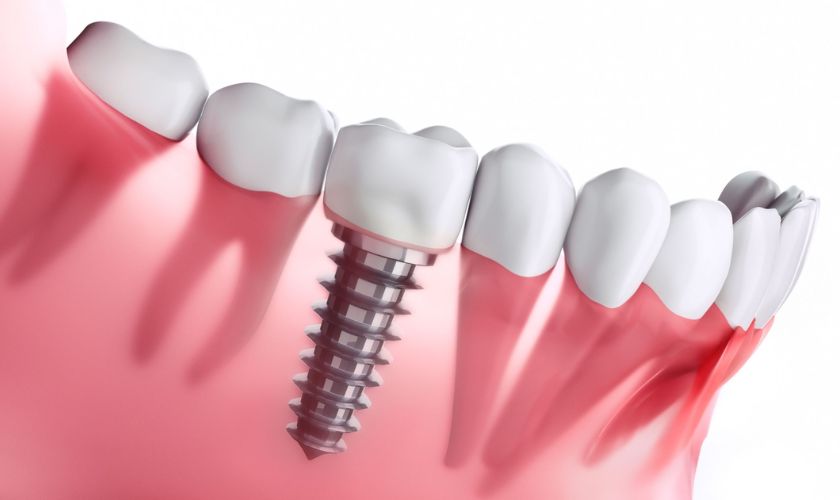
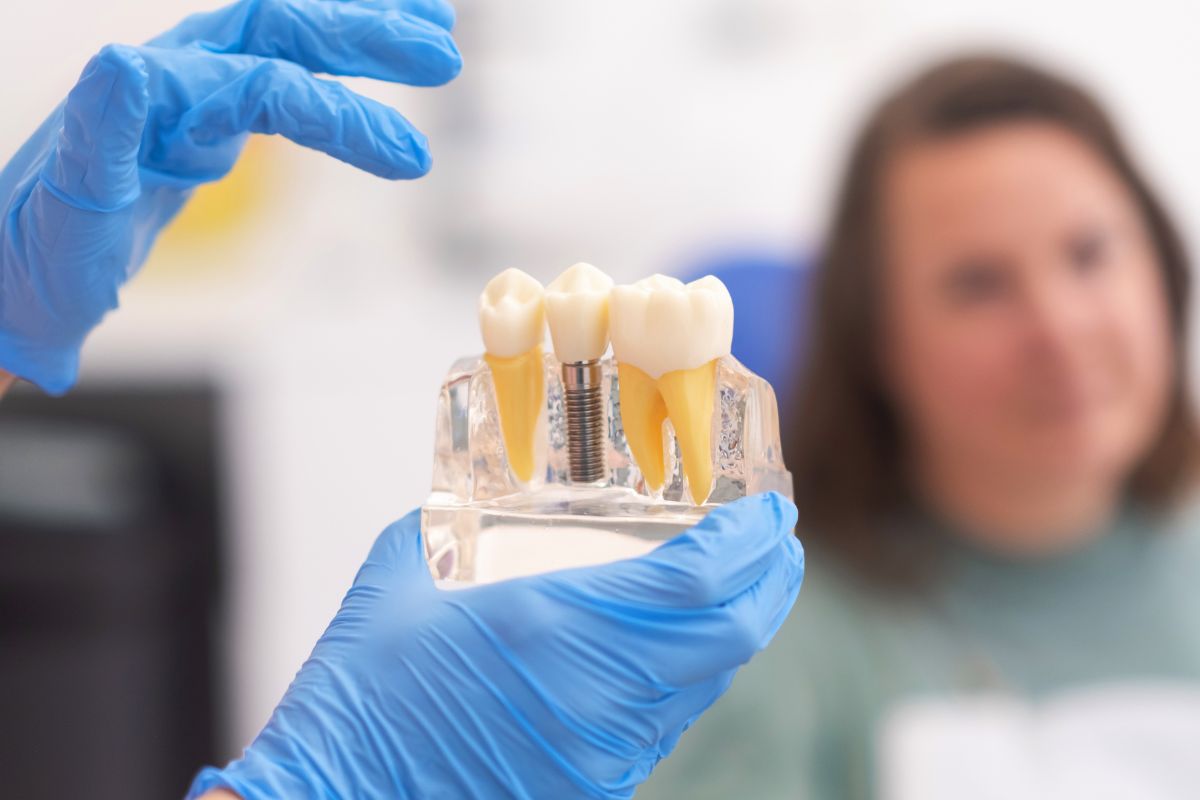
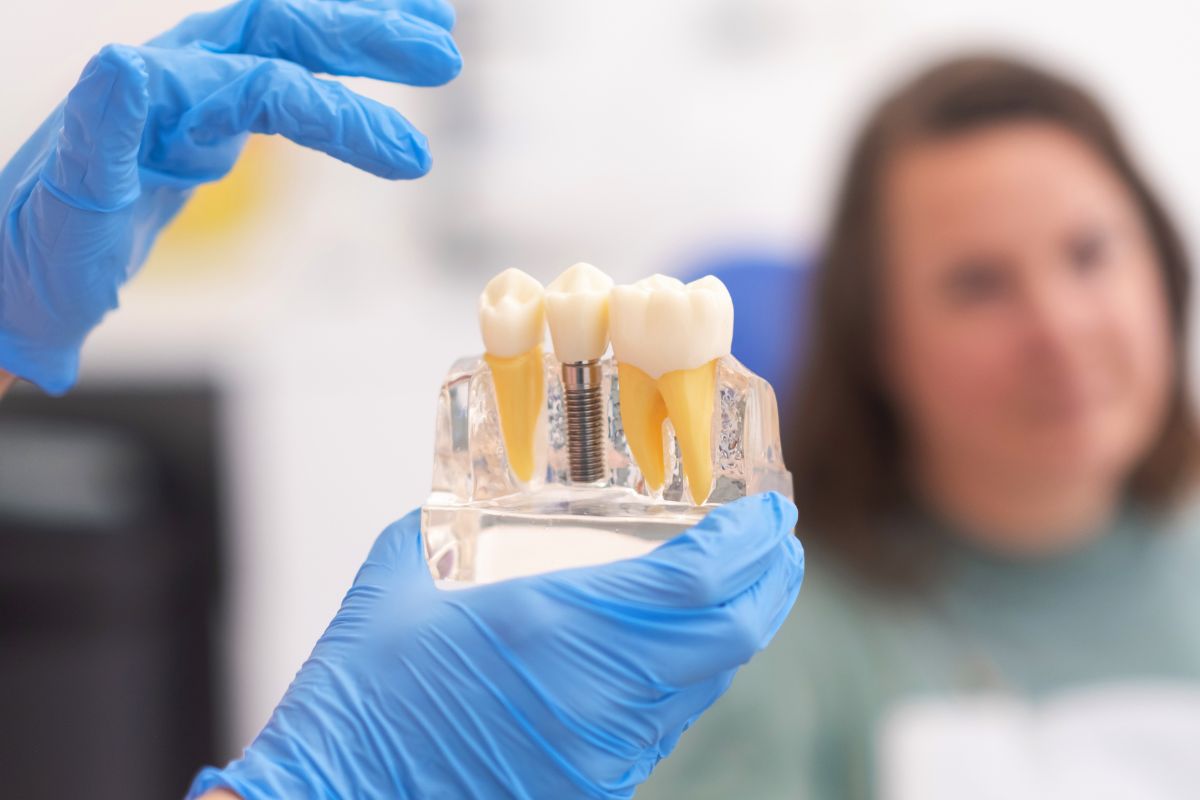
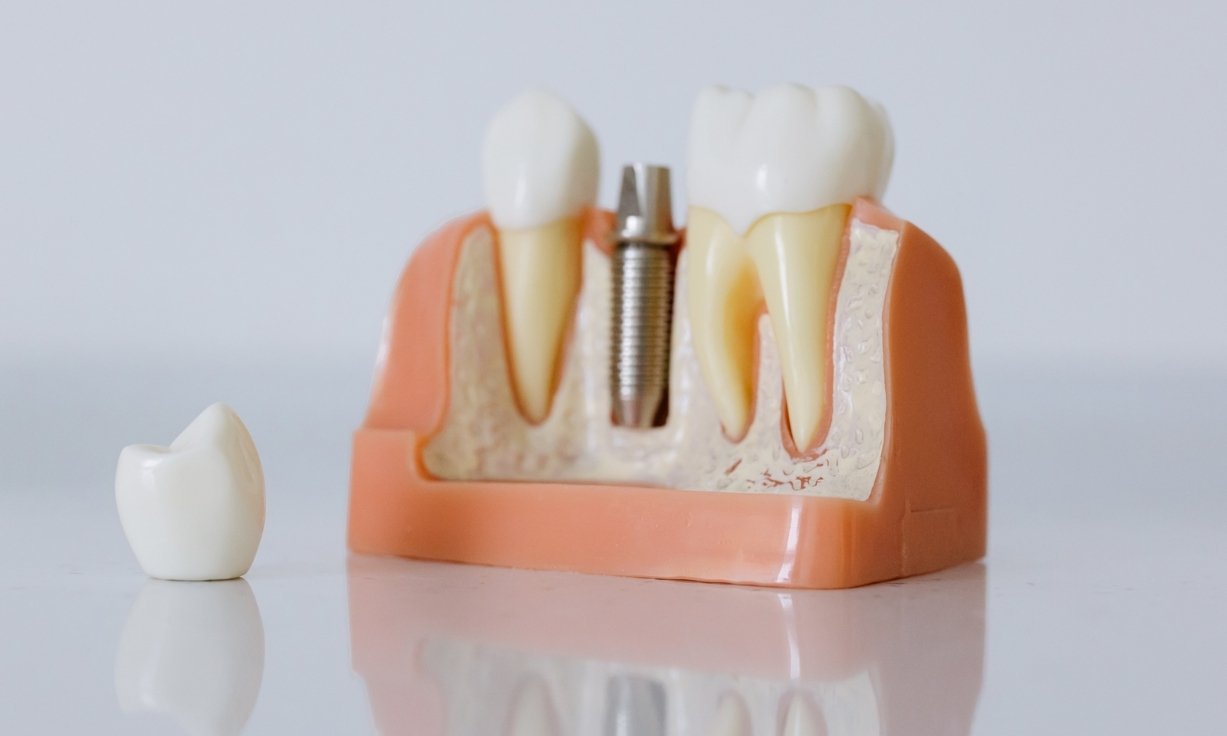
Welcome to our blog post, where we dive deep into the world of dental implants and explore whether they can potentially cause health issues. Dental implants have become a popular choice for replacing missing teeth, offering a permanent solution that looks and feels natural. However, as with any medical procedure, it’s important to address concerns and understand the potential risks involved. Join us as we explore common worries about dental implants, discuss potential health issues linked to them, highlight the importance of proper care, provide tips for choosing an experienced dentist, and even explore alternative options. So let’s get started on this enlightening journey!
Common Concerns About Dental Implants
When it comes to dental implants, many people have concerns and questions. One common concern is the cost of the procedure. Dental implants can be expensive, but they are a long-term investment in your oral health.
Another concern is whether dental implants are painful. While there may be some discomfort during the healing process, most patients report minimal pain after the initial recovery period.
Some individuals worry about the success rate of dental implants. It’s important to note that with proper care and maintenance, dental implants have a success rate of over 95%. This makes them one of the most reliable options for replacing missing teeth.
Another common question is whether dental implants feel natural. The good news is that once healed, dental implants look and function just like natural teeth. They provide stability when chewing and speaking, giving you confidence in your smile.
There are also concerns about potential complications or side effects from getting dental implants. While rare, possible issues include infection at the implant site or damage to surrounding structures such as nerves or blood vessels. However, these complications can usually be prevented by choosing an experienced dentist who follows proper techniques and protocols.
While there may be some valid concerns about getting dental implants, it’s important to remember that they offer numerous benefits and can greatly improve your quality of life. If you’re considering this treatment option, make sure to consult with a qualified dentist who will address any questions or worries you may have before moving forward with the procedure
Potential Health Issues Linked to Dental Implants
While dental implants are generally considered safe and have a high success rate, like any medical procedure, they do come with some potential health risks. It’s important to be aware of these issues before deciding to undergo implant surgery.
One possible health concern is infection. Although rare, infections can occur at the implant site if proper oral hygiene is not maintained or if there are complications during the healing process. Prompt treatment with antibiotics and good oral care can help prevent this issue.
Another potential problem is nerve damage. Dental implants involve drilling into the jawbone, which could potentially damage nearby nerves. This can lead to numbness or tingling in the lips, gums, tongue, or chin area. While this complication is uncommon, it’s crucial for your dentist to carefully assess your anatomy before proceeding with the procedure.
In some cases, bone loss around dental implants may occur over time. This occurs when there isn’t enough support from surrounding bone tissue due to factors such as poor oral hygiene or an improper fit of the implant restoration. Regular check-ups and maintenance by a qualified dentist can help identify and address early signs of bone loss.
Gum recession is another possible issue associated with dental implants. If not properly cared for, bacteria buildup along the gumline can cause inflammation and recession of the gums around the implant site.
It’s worth mentioning that these potential health issues are relatively uncommon and often avoidable through proper care and regular dental visits. Your dentist will provide you with detailed post-implant care instructions tailored specifically to your needs.
Remember always consult an experienced dentist who specializes in dental implant procedures before making any decisions regarding your oral health!
The Importance of Proper Dental Implant Care
Proper dental implant care is essential for maintaining the health and longevity of your implants. It not only ensures that your implants stay in good condition but also helps prevent potential health issues down the line.
One important aspect of proper dental implant care is practicing good oral hygiene. This includes brushing your teeth twice a day with a soft-bristled toothbrush and fluoride toothpaste, as well as flossing daily to remove plaque and debris from between your teeth and around the implant area.
Regular visits to your dentist are also crucial for monitoring the health of your dental implants. Your dentist will be able to detect any signs of infection or inflammation early on, allowing for prompt treatment before it becomes more serious.
Avoiding bad habits such as smoking or chewing tobacco is another key factor in ensuring proper dental implant care. These habits can increase the risk of complications and hinder the healing process after implant surgery.
It’s important to maintain a healthy lifestyle overall. Eating a balanced diet rich in vitamins and minerals can help support optimal gum health, which plays a vital role in keeping your dental implants secure.
By following these guidelines for proper dental implant care, you can minimize the risk of experiencing any health issues related to your implants while enjoying their many benefits for years to come!
Tips for Choosing a Qualified Dentist
When it comes to dental implants, choosing a qualified dentist is crucial. Here are some tips to help you find the right professional for your needs:
1. Research and referrals: Start by doing your homework. Look for dentists who specialize in implantology or have significant experience in performing dental implant procedures. Ask friends, family, or colleagues for recommendations.
2. Credentials and expertise: Check the dentist’s credentials and certifications. Look for memberships in professional organizations like the American Academy of Implant Dentistry (AAID) or the International Congress of Oral Implantologists (ICOI). These affiliations indicate a commitment to staying updated on the latest techniques and advancements.
3. Experience with similar cases: Inquire about the dentist’s experience with cases similar to yours. A seasoned practitioner will be able to provide examples of successful treatments they have performed in the past.
4. Technology and facilities: Find out if the dental practice utilizes modern technology such as digital imaging, 3D scanning, or computer-guided implant placement systems. State-of-the-art equipment can enhance accuracy and ensure better results.
5. Patient testimonials and reviews: Read online reviews and testimonials from previous patients to get an idea of their experiences with a particular dentist or clinic.
6. Communication skills: Choose a dentist who listens attentively to your concerns, explains procedures clearly, answers all your questions patiently and makes you feel comfortable throughout the process.
Alternatives to Dental Implants
- While dental implants have become a popular solution for missing teeth, they may not be suitable for everyone. Thankfully, there are alternatives available that can help restore your smile and oral health.
- One such alternative is the use of removable dentures. Dentures are custom-made to fit your mouth and can be easily removed for cleaning or sleeping. They provide a cost-effective option and can greatly improve chewing ability and speech.
- Another alternative is dental bridges. Bridges consist of artificial teeth supported by adjacent natural teeth or dental implants. They are fixed in place, offering stability and durability similar to natural teeth.
- For those seeking a more conservative option, dental bonding or veneers may be recommended. Bonding involves the application of tooth-colored resin material to repair chipped or broken teeth, while veneers are thin shells placed over the front surface of damaged teeth to enhance their appearance.
- Orthodontic treatment with braces or clear aligners is another alternative that may correct misaligned teeth without the need for implants.
- It’s important to consult with a qualified dentist who will assess your specific needs and recommend the most suitable alternative for you. Each case is unique, so it’s crucial to explore all options before making a decision.
- Remember, maintaining good oral hygiene through regular brushing, flossing, and professional cleanings will also contribute greatly to preserving your oral health regardless of which treatment option you choose.
Although rare, some individuals may experience complications such as infection, nerve damage, or sinus problems. However, these risks can be significantly minimized by selecting a qualified dentist who follows proper protocols during implant placement and provides thorough aftercare instructions.
Proper care and maintenance are crucial for maintaining oral health and maximizing the lifespan of dental implants. Regular brushing, flossing, and visits to your dentist will help prevent any potential complications from arising.
When considering dental implant treatment, it is essential to choose an experienced professional who specializes in this procedure. Look for certifications, credentials, patient testimonials, and before-and-after photos as indicators of their expertise.
While dental implants are considered the gold standard for tooth replacement due to their durability and natural appearance, there are alternative options available. Dentures or bridges might be suitable alternatives based on individual circumstances or personal preferences.