Pay Online

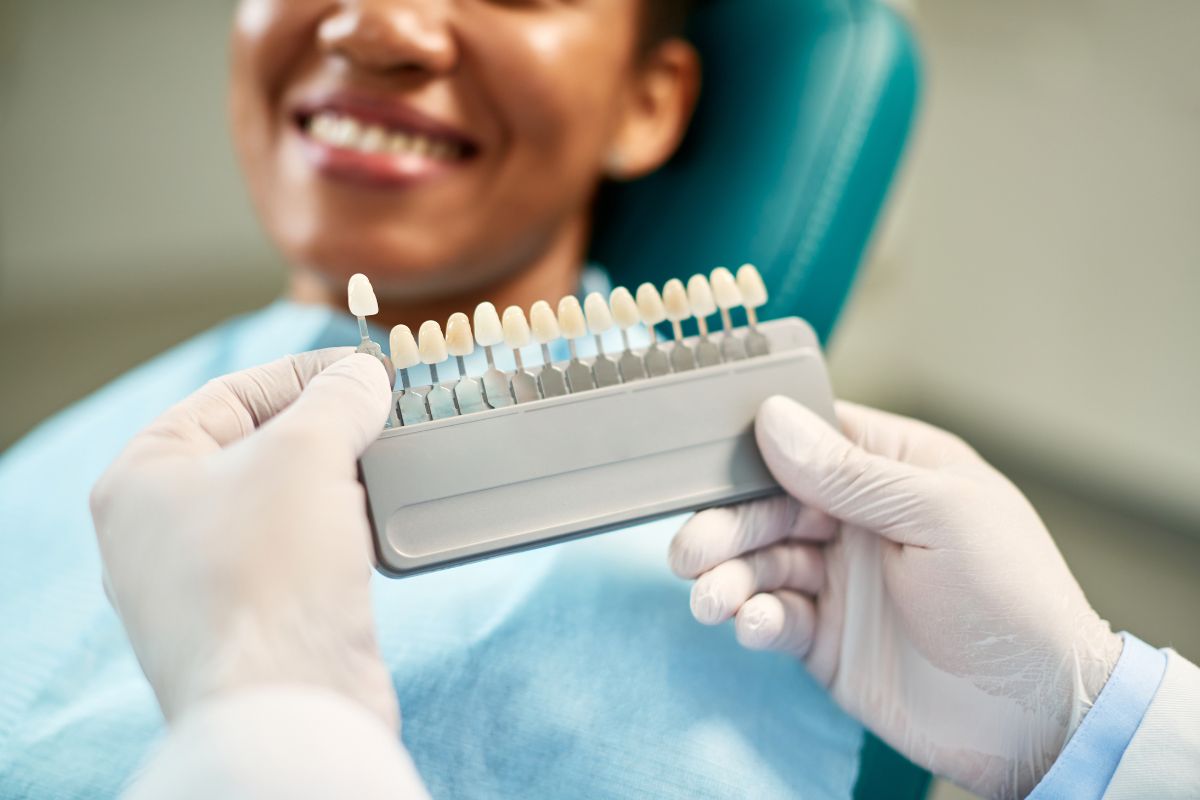
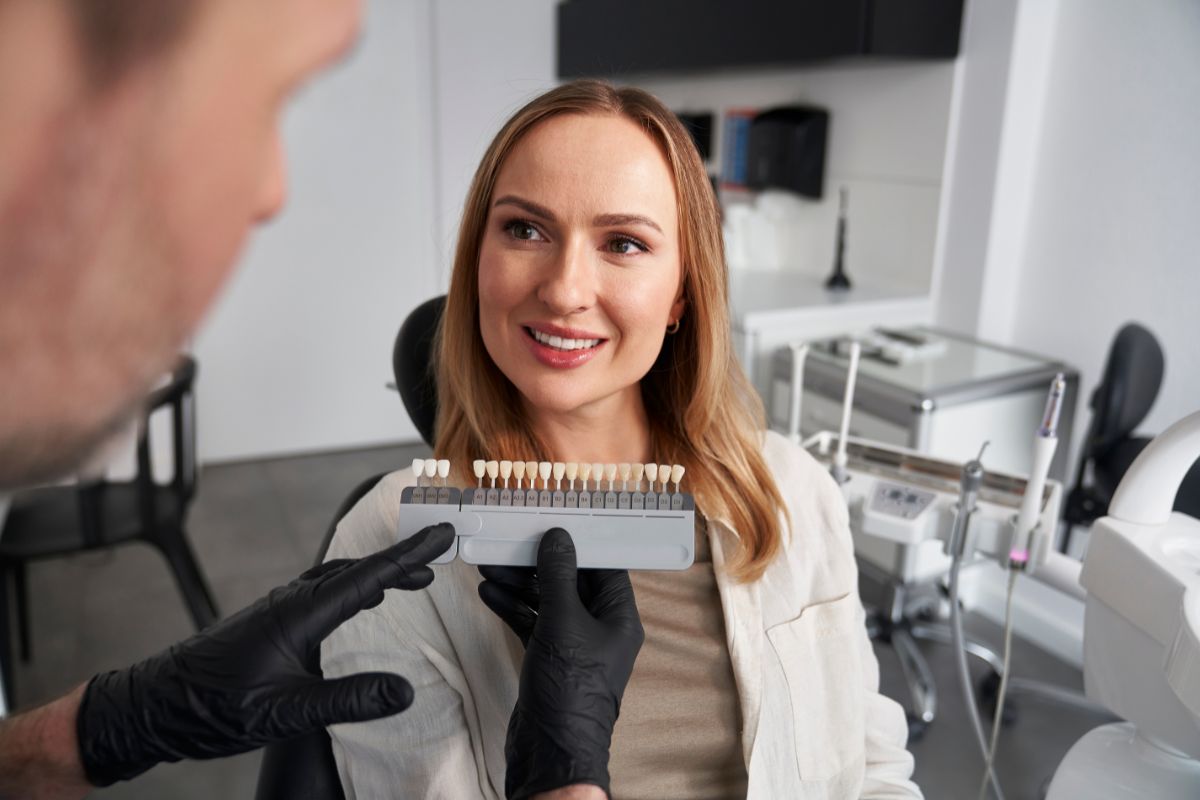
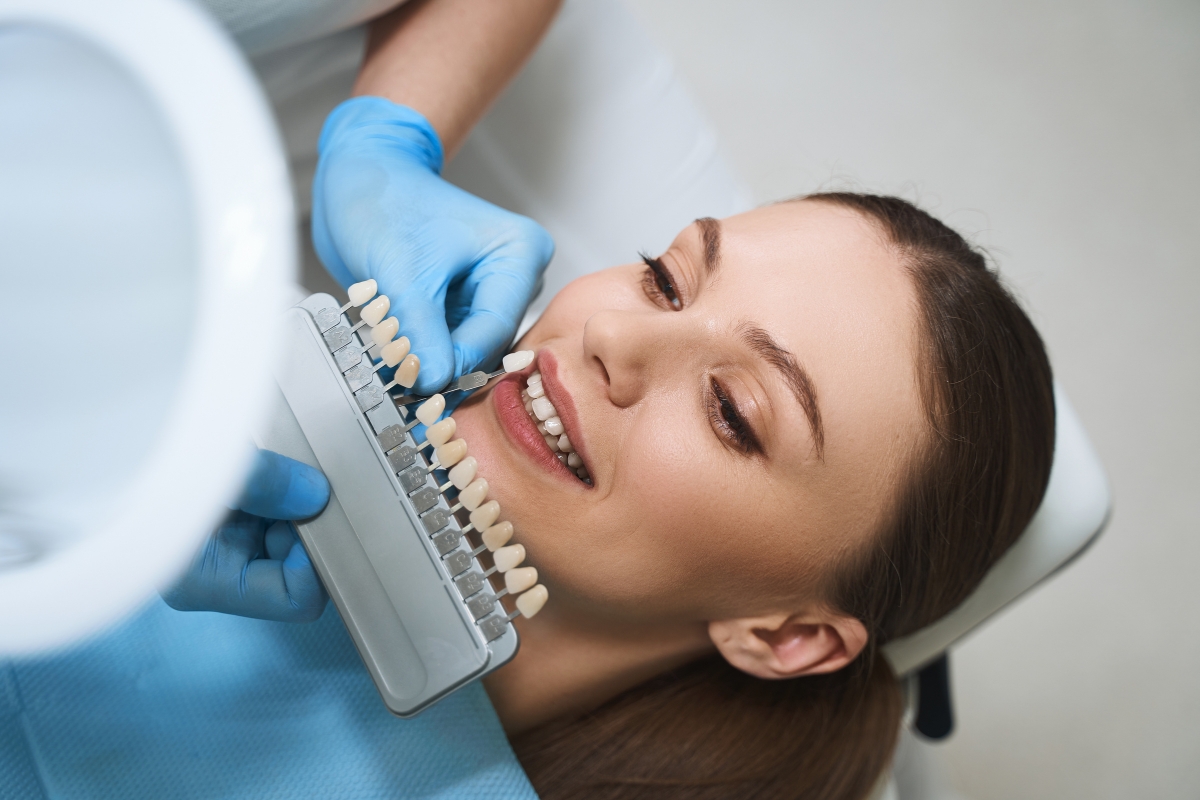
Welcome to the world of dental veneers, where a new canvas awaits your smile. Dental veneers are thin, custom-made shells that are bonded to the front surface of your teeth, transforming their appearance and enhancing your overall smile. Made from high-quality materials like porcelain or composite resin, veneers can effectively address various dental concerns such as discoloration, gaps, chips, or misalignment. With their natural-looking aesthetics and ability to seamlessly blend with your existing teeth, veneers offer a remarkable solution for achieving a radiant and harmonious smile. Embrace the wonders of dental veneers and unlock the confidence of a revitalized and beautiful smile.
Dental Veneers: Overview
Dental veneers are thin, custom-made shells that are designed to cover the front surface of teeth, providing an improved appearance and enhancing smiles. Veneers are typically made from porcelain or composite resin, offering natural-looking results. They are an effective solution for addressing various dental issues, including discoloration, chipped or worn teeth, gaps, and minor misalignment. The process involves preparing the teeth by removing a small amount of enamel, taking impressions, and bonding the veneers to the teeth. Dental veneers offer durability, stain resistance, and a long-lasting solution for achieving a beautiful, symmetrical, and aesthetically pleasing smile.
Who should get Dental Veneers?
1. Individuals with Discolored Teeth: Dental veneers are an excellent option for individuals with severe tooth discoloration that is resistant to traditional teeth whitening methods. Veneers can cover up intrinsic stains and provide a bright, uniform appearance.
2. Those with Chipped or Worn Teeth: Dental veneers can effectively restore the appearance of chipped or worn teeth. They can cover the damaged areas, improving the shape, size, and symmetry of the teeth, resulting in a more youthful and attractive smile.
3. Individuals with Gaps or Minor Misalignment: Dental veneers can be used to close small gaps between teeth or correct minor misalignment issues. By placing veneers on the affected teeth, a more aligned and evenly spaced smile can be achieved without the need for extensive orthodontic treatment.
4. Individuals with Irregularly Shaped or Uneven Teeth: Dental veneers can enhance the shape and contour of irregularly shaped or uneven teeth, creating a more harmonious and balanced smile. Veneers can provide a uniform appearance, bringing balance and symmetry to the overall smile.
Different Types of Dental Veneers
1. Porcelain Veneers: Porcelain ones are the most commonly used type. They are crafted from high-quality dental porcelain and offer superior aesthetics, mimicking real teeth’ natural clarity and shine. They are highly durable and resistant to staining.
2. Composite Veneers: Composite ones are made from a tooth-colored composite resin. They are applied directly to the teeth in layers and sculpted to achieve the desired shape and appearance. While they are more affordable than porcelain veneers, they are generally less durable and may require more frequent maintenance.
3. Minimal or No-Prep Veneers: These require minimal tooth preparation before placement. They are ultra-thin and are often used in cases where the tooth structure is relatively intact. Minimal or no-prep veneers offer a conservative option with less tooth enamel removal.
4. Removable Veneers: They, also known as snap-on veneers, are designed to be worn temporarily and can be easily placed or removed. They are an alternative for individuals who want to improve the appearance of their smile without permanently altering their teeth.
5. Instant Veneers: As the name suggests, these are prefabricated and can be applied in a single dental visit. They are a quick and convenient option, providing immediate smile enhancement without needing custom fabrication.
Perks Of Dental Veneers
1. Aesthetically Pleasing: They can dramatically improve the appearance of your smile. They are custom-made to match the color, shape, and size of your natural teeth, resulting in a beautifully enhanced and natural-looking smile.
2. Versatile Solution: They can address a wide range of cosmetic dental concerns, including discoloration, chips, cracks, gaps, and misalignment. They offer a versatile solution that can transform the overall appearance of your teeth.
3. Stain Resistance: They are highly resistant to stains, making them a long-lasting solution for maintaining a bright and white smile. You can enjoy your favorite foods and beverages without worrying about discoloration.
4. Conservative Approach: Compared to other dental treatments, veneers require minimal removal of natural tooth structure. The procedure is relatively conservative, preserving the majority of your healthy tooth enamel.
5. Durable and Long-lasting: They are made from strong and durable materials, such as porcelain or composite resin. With proper care and regular dental check-ups, veneers can last for many years, providing a long-lasting cosmetic enhancement to your smile.
Maintaining Your New Smile
1. Maintain Good Oral Hygiene: Brush your teeth at least twice a day and floss daily to keep your veneers and natural teeth clean. Use a non-abrasive toothpaste and a soft-bristle toothbrush to avoid scratching the veneer surface.
2. Avoid Excessive Force: While veneers are durable, avoid biting or chewing on hard objects, such as ice or pens, as this can potentially damage or dislodge them. Additionally, refrain from using your teeth as tools to open packages or bottles.
3. Minimize Stain-causing Habits: Limit consumption of stain-causing foods and beverages like coffee, tea, red wine, and tobacco. If you do indulge, rinse your mouth with water afterward or consider using a straw to minimize contact with your veneers.
4. Regular Dental Check-ups: Visit your dentist regularly for check-ups and professional cleanings. This allows your dentist to monitor the condition of your veneers, address any issues promptly, and ensure optimal oral health.
Remember, following these maintenance tips and practicing good oral hygiene will help preserve the appearance and longevity of your dental veneers.
In conclusion, dental veneers offer a versatile and effective solution for transforming smiles. With their aesthetic appeal, versatility, stain resistance, and long-lasting durability, dental veneers can enhance the appearance of teeth, address various cosmetic concerns, and provide individuals with a beautiful, confident smile that lasts for years to come.
FAQs
1. Can dental veneers be whitened if they become stained over time?
No, it cannot be whitened once they are in place. Veneers are stain-resistant, but they can still experience slight discoloration over time due to the natural aging process or the consumption of staining substances. If the discoloration becomes noticeable or bothersome, replacement of the veneers may be necessary to restore their original brightness.
2. How long do dental veneers typically last?
The lifespan can vary depending on factors such as oral hygiene practices, biting forces, and the quality of the materials used. On average, dental veneers can last between 10 to 15 years or even longer with proper care and regular dental check-ups.
3. Are dental veneers reversible?
No, the process of placing involves removing a small amount of enamel from the front surface of the teeth to create space for the veneers. Once this enamel is removed, it is not reversible. It is important to carefully consider the decision to get veneers and consult with a dental professional to ensure it is the right treatment option for your specific needs.