Pay Online


Welcome to the world of root canal rejuvenation, where smiles are nurtured from within. Root canal therapy is a transformative dental procedure designed to save and restore damaged teeth, providing relief from pain and preserving your natural smile. By addressing the root canal infection, this procedure eliminates discomfort and prevents further complications. Through advanced techniques and modern technology, root canal therapy is now more comfortable and efficient than ever before. Join us on this journey as we delve into the wonders of root canal rejuvenation, exploring the benefits and dispelling any misconceptions along the way. Get ready to embrace a healthier, happier smile from within.
Root Canal Therapy
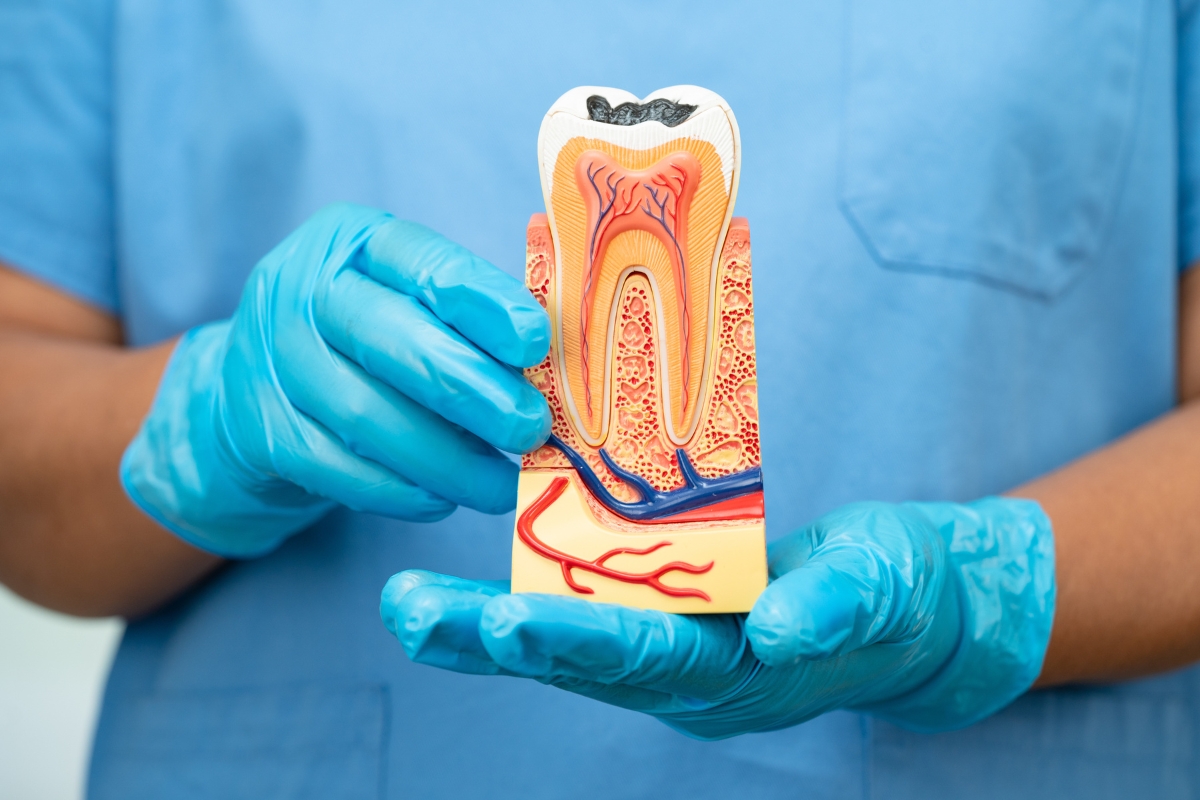
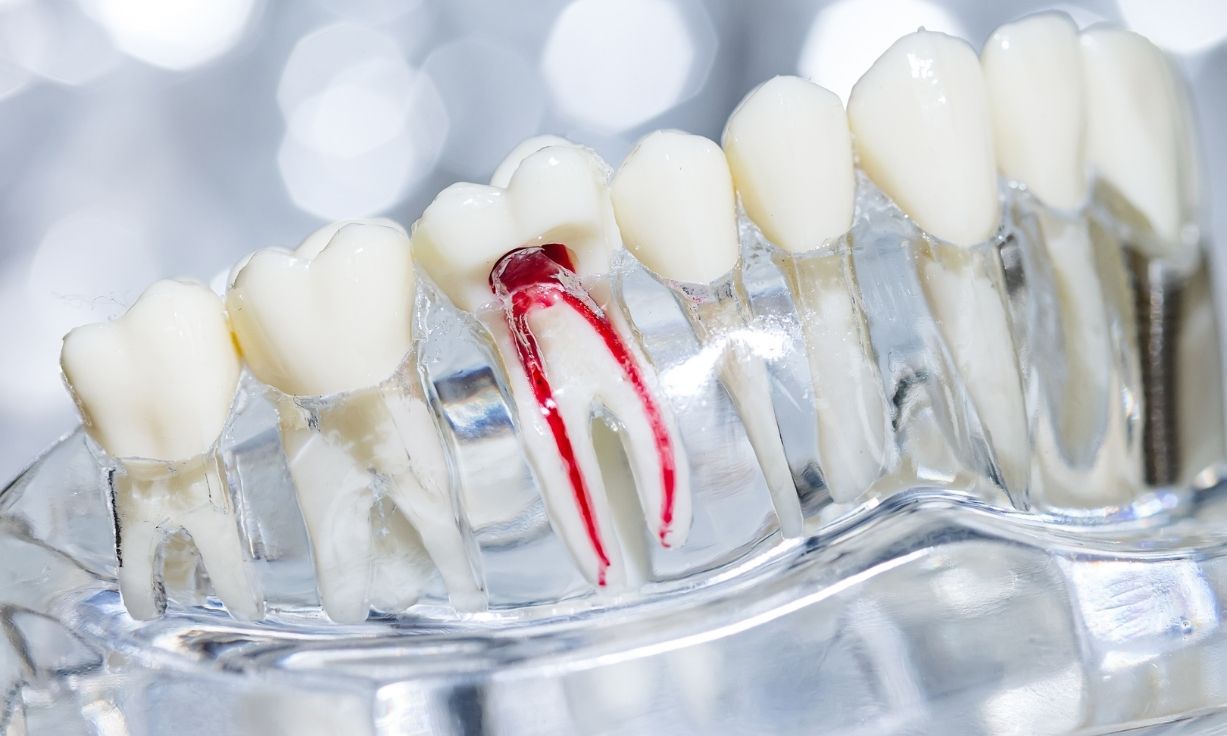
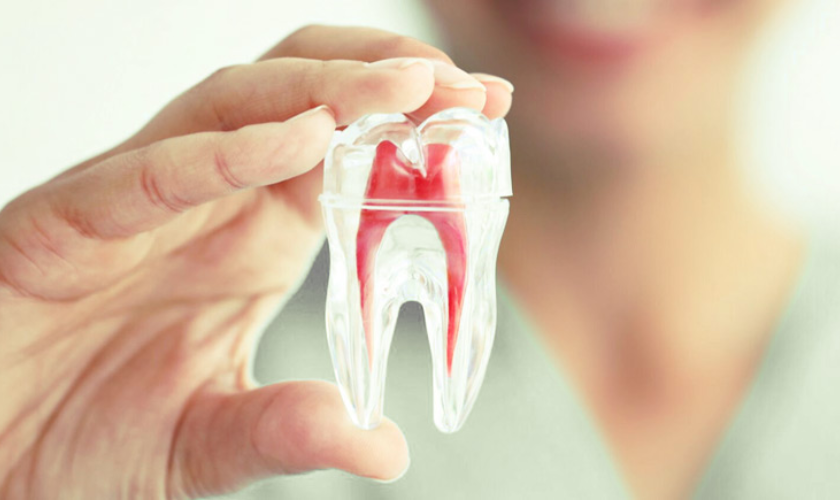
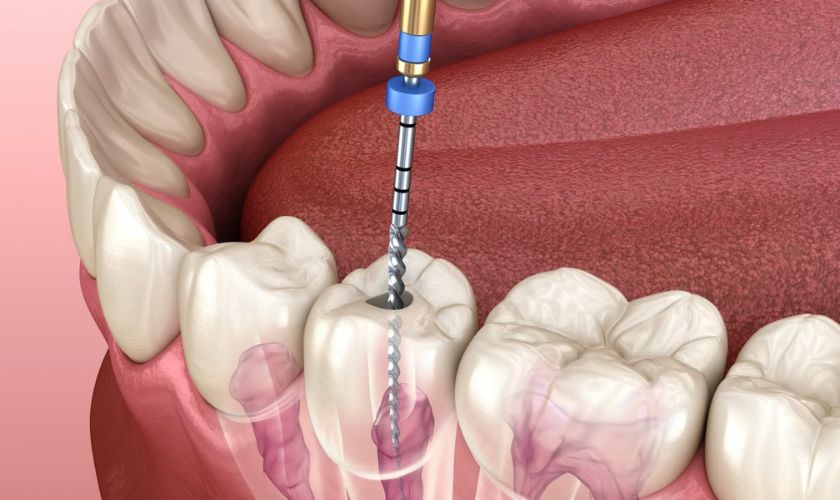
Root canal therapy is a dental procedure aimed at saving and restoring damaged teeth. It involves removing infected or inflamed pulp from the tooth’s root canal, cleaning the area, and sealing it to prevent further infection. Root canal therapy is typically recommended when a tooth has extensive decay, infection, or trauma. This treatment not only alleviates pain and discomfort but also helps preserve the natural tooth structure, allowing for normal chewing and biting. With advancements in dental techniques and technology, root canal therapy has become a highly successful and efficient procedure, offering patients relief and a chance to maintain their healthy smiles for years to come.
Types Of Root Canal Treatment
1. Conventional Root Canal: This is the most common type performed on teeth with infected or damaged dental pulp. The infected pulp is removed, and the root canals are cleaned, filled, and sealed.
2. Endodontic Retreatment: This procedure is performed when a previously treated tooth develops a new infection or the initial treatment fails. The dentist reopens the tooth, removes the filling material, cleans the canals, and reseals them.
3. Apicoectomy: It is also known as root-end surgery, this procedure is performed when an infection persists after a root canal treatment. The tip of the tooth root is removed, along with the infected tissue, and the root end is sealed to prevent
further infection.
4. Pediatric Pulpotomy: This root canal procedure is specifically designed for children. It involves removing the infected pulp in baby teeth and placing a protective material to allow the tooth to function until it naturally falls out.
5. Regenerative Endodontics: This emerging technology aims to restore the function and vitality of the dental pulp in immature teeth with root canal problems. It involves disinfecting the root canal, placing a regenerative material, and regenerating the pulp.
Suitable Candidates For Root Canal Therapy
1. Individuals with severe tooth pain: Root canals are typically recommended for individuals experiencing an intense and persistent toothache, which may indicate an infected or damaged tooth pulp.
2. Patients with deep tooth decay: If tooth decay has reached the innermost layer of the tooth, known as the pulp, a root canal may be necessary to remove the infected tissue and prevent further damage.
3. Those with tooth abscess: A tooth abscess is a pocket of infection that forms at the root of a tooth. Root canals can help eliminate the infection and save the tooth.
4. Individuals with cracked or fractured teeth: If a tooth is cracked or fractured, it can expose the pulp to bacteria, leading to infection. Root canal treatment can address the problem and protect the tooth from further damage.
Benefits Root Canals
1. Preserves natural tooth: Root canal therapy allows you to save your natural tooth instead of opting for extraction, maintaining the integrity of your smile.
2. Eliminates pain and discomfort: The procedure relieves the pain and discomfort associated with an infected or inflamed tooth pulp, providing much-needed relief.
3. Restores oral health: Root canal therapy eliminates the infection, preventing it from spreading to other teeth or causing further damage to your oral health.
4. Improves bite and chewing function: By saving the natural tooth, root canal therapy helps restore normal biting and chewing capabilities, allowing you to enjoy your favorite foods without difficulty.
5. Enhances overall well-being: By addressing the underlying dental issue, root canal therapy promotes better oral health, which is linked to improved overall well-being and reduced risk of systemic health problems.
Root Canal Preparation
- If you are considering having a root canal, there are a few things you need to know to make the best decision for you. First and foremost, always consult with a dentist before undergoing any dental work. Many different procedures can be done, with root canals being one of them, and it is important to choose the one that is right for your situation.
- Another thing to keep in mind is the fact that root canal is a complex procedure. It can be quite complex and require a lot of preparation. It includes ensuring you have all the necessary documents ready so your dentist can start immediately. Additionally, you should ensure you are aware of any potential risks associated with the procedure and take steps to mitigate them where possible.
- Be patient during the entire process. It may take some time for everything to go according to plan, but ultimately it will be worth it.
In conclusion,root canal therapy is a valuable dental treatment that can save your natural tooth, relieve pain, and restore oral health. It dispels common myths and offers numerous benefits, including preserving your smile, eliminating discomfort, and promoting overall well-being. With modern techniques and advancements, root canal therapy is a reliable and effective solution for addressing tooth infections and maintaining a healthy, functional smile.
FAQs:
1. Will My Root Canal Hurt?
It is a common question and concern. However, with modern techniques and anesthesia options, most patients report minimal pain during the procedure. Afterward, there may be some discomfort or sensitivity for a few days, but this can usually be managed with over-the-counter pain medication.
2.Are Root Canals Safe?
Yes! Root canals have been safely performed for decades and have a high success rate. However, it’s important to choose an experienced dentist who will take all necessary precautions, such as sterilizing equipment and using proper techniques.
3. Can I Go Back To Normal Activities After My Root Canal?
Most patients can resume their regular activities immediately following a root canal procedure. However, your dentist may recommend avoiding hard or crunchy foods for a few days while any sensitivity subsides.