Pay Online

Welcome to the fascinating world of dental implants, where science and artistry converge to restore smiles with precision and beauty. Dental implants are not just functional replacements for missing teeth; they represent the culmination of advanced technology and artistic skill in tooth restoration. Through meticulous planning and precise surgical techniques, dental professionals can recreate the natural appearance, feel, and function of a natural tooth. Implants provide stability, durability, and long-term solutions for individuals seeking to regain their confidence and oral health. Join us as we unveil the artistry behind dental implants and explore the transformative impact they have on countless lives.
Understanding The Concept Of Dental Implants
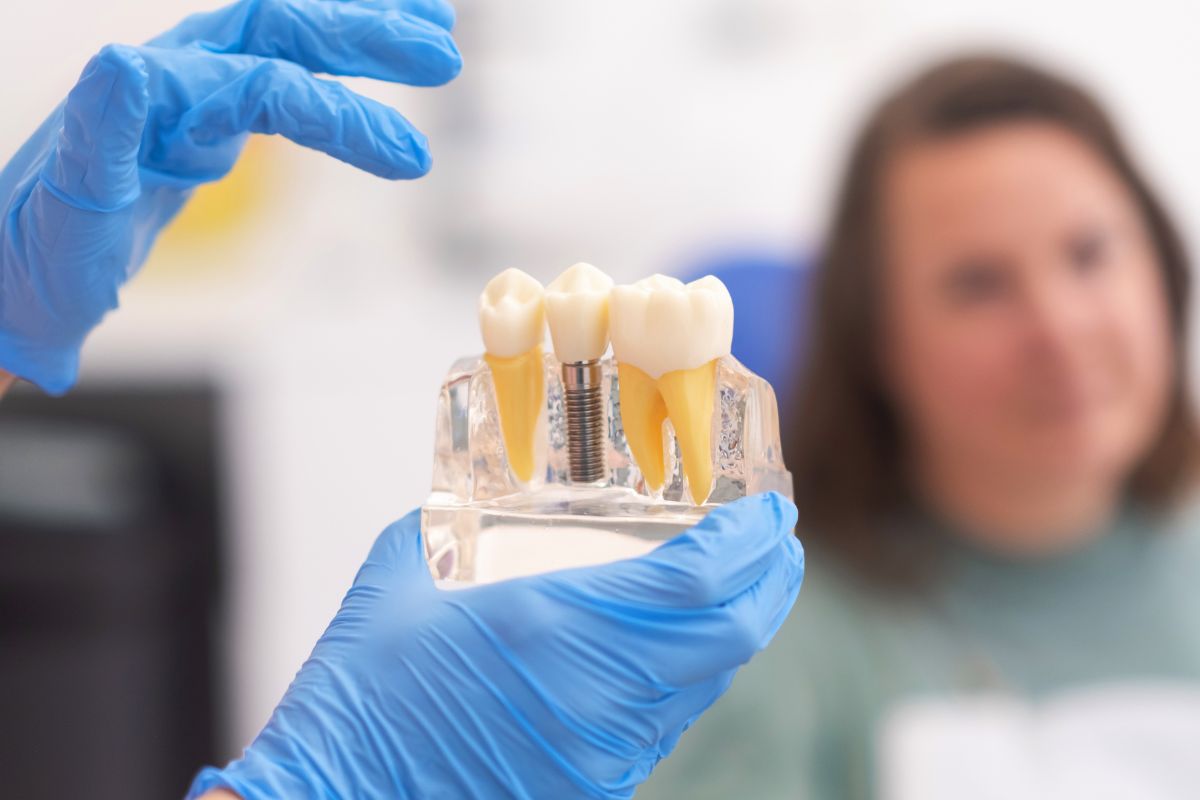
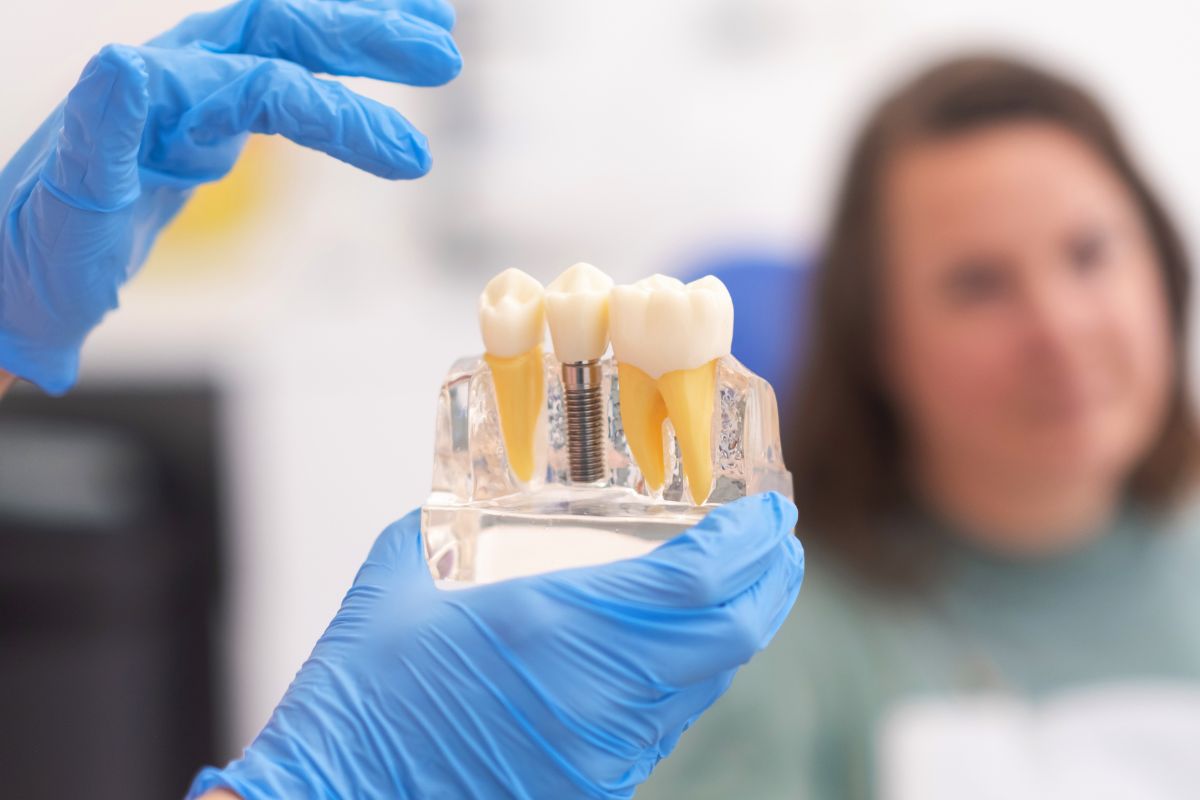
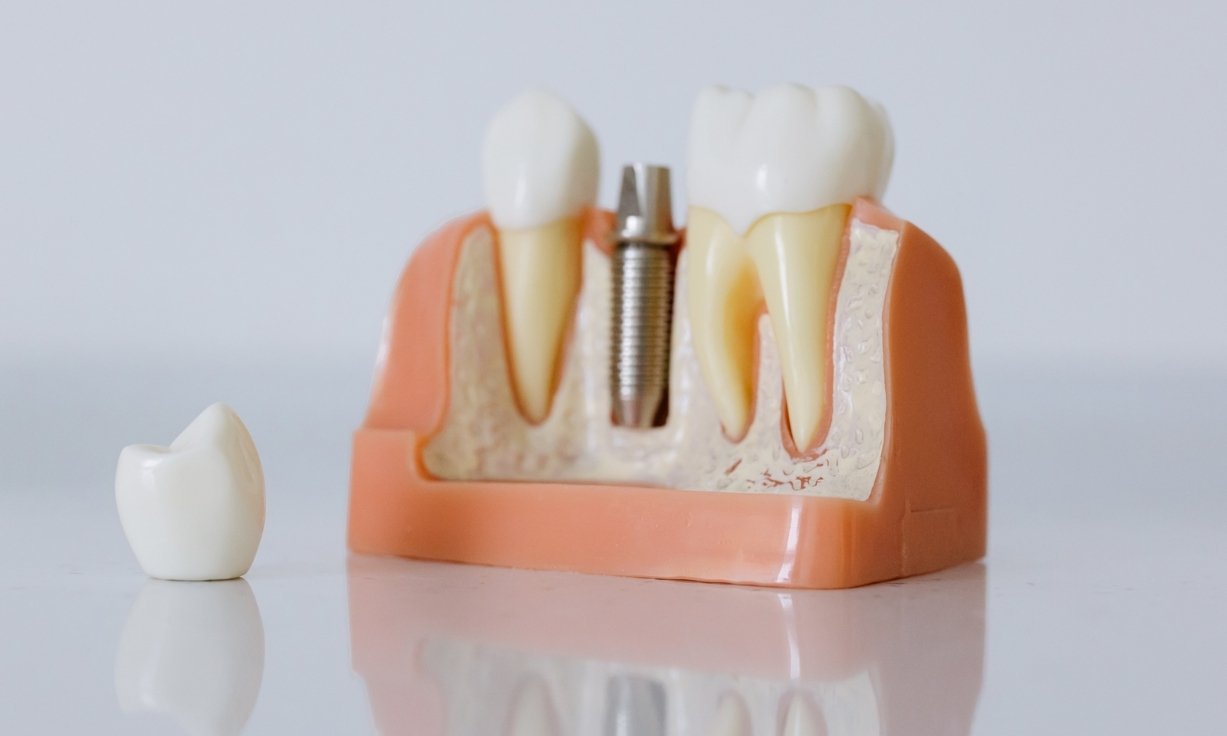
Dental implants are a revolutionary solution for replacing missing teeth and restoring oral functionality and aesthetics. They are artificial tooth roots made of biocompatible materials, such as titanium, surgically implanted into the jawbone. Dental implants provide a strong and stable foundation for attaching custom-made dental crowns, bridges, or dentures, mimicking the natural teeth’ appearance and function. This innovative treatment offers several advantages, including improved chewing ability, speech, and self-confidence. They also help prevent bone loss in the jaw, maintaining the facial structure. Understanding the concept of dental implants allows individuals to make informed decisions about their oral health and regain a complete and beautiful smile.
Different Types of Dental Implants
1. Endosteal Implants: These are the most common types, placed directly into the jawbone for a sturdy foundation.
2. Subperiosteal Implants: These implants are placed on or above the jawbone but beneath the gum tissue, suitable for patients with insufficient bone height or density.
3. Mini Implants: Smaller than traditional implants, they are used in cases with limited space or for securing dentures.
4. All-on-4 Implants: This technique involves placing four implants to support a full arch of teeth, offering a quicker and more cost-effective solution.
5. Zygomatic Implants: When there is significant bone loss in the upper jaw, these implants anchor into the cheekbone for stability.
Advantages Of Opting For Dental Implants
1. Improved oral function: Dental implants provide a strong and stable foundation for replacement teeth, allowing for better chewing and speaking abilities than other options.
2. Enhanced appearance: Dental implants closely resemble natural teeth, restoring a natural and attractive smile. They also help maintain facial structure by preventing bone loss in the jaw.
3. Long-lasting solution: With proper care and maintenance, dental implants can last a lifetime, making them a durable and cost-effective option for tooth replacement.
4. Increased comfort: Dental implants eliminate the discomfort and inconvenience of removable dentures, as they are securely fixed in the jawbone and do not slip or shift while eating or speaking.
5. Improved self-confidence: Dental implants restore the ability to smile, speak, and eat confidently, improving overall self-esteem and quality of life.
The Procedure:
1. Initial consultation: The process begins with a comprehensive dental examination and consultation to assess the patient’s oral health and determine the suitability for dental implants.
2. Implant placement: In a surgical procedure, dental implants, usually made of titanium, are precisely placed into the jawbone. It serves as the anchor for the replacement tooth or teeth.
3. Osseointegration: Over several months, the implants undergo osseointegration, fusing with the surrounding bone tissue, providing a stable and secure foundation.
4. Placement of the prosthetic tooth/teeth: Once the implants have fully integrated with the jawbone, the dentist will attach the custom-made prosthetic tooth or teeth, such as a crown, bridge, or denture, to complete the restoration process.
Who Is Eligible For Dental Implants?
Any individual with the following is eligible to opt for these Implants:
1. Sufficient bone density: Candidates for implants should have adequate bone density in the jaw to support the implant. In some cases, bone grafting may be necessary to enhance bone density before the implant.
2. Good oral health: Candidates should practice good oral hygiene and be free from any active gum disease or oral infections. It’s important to have a healthy mouth to ensure successful implant placement and long-term implant success.
3. Non-smokers: Smoking can significantly affect the success of dental implants. Candidates who are non-smokers or willing to quit smoking are generally better suited for dental implant procedures.
4. Overall health: Candidates should have good overall health and be free from uncontrolled chronic conditions that may interfere with healing, such as diabetes or immune disorders. A thorough medical evaluation is typically conducted to assess the candidate’s suitability for such implants.
Aftercare Tips For Dental Implants
1. Oral hygiene: Proper oral hygiene is crucial for the long-term success of dental implants. It involves brushing your teeth at least twice daily, flossing daily, and using an antibacterial mouthwash. Regular dental check-ups and professional cleanings are also essential to monitor the condition of the implants and ensure optimal oral health.
2. Avoiding harmful habits: To maintain dental implants, it’s important to avoid habits that can damage them, such as chewing on hard objects, biting nails, or using teeth as tools. These habits can put excessive pressure on the implants, potentially leading to complications.
3. Healthy lifestyle choices: Maintaining a healthy lifestyle, including a balanced diet and avoiding tobacco use, can contribute to the long-term success of dental implants. A nutritious diet supports oral health while avoiding smoking or tobacco products helps prevent oral complications and implant failure.
4. Regular follow-up appointments: Regular follow-up appointments with your dentist are crucial for monitoring your dental implants’ health. Your dentist will assess the stability and condition of the implants and address any concerns or issues promptly to ensure their longevity.
As we conclude this journey into the world of dental implants, it’s evident that they are more than mere replacements for missing teeth. They embody a unique blend of science, skill, and artistry, restoring smiles and transforming lives. With their ability to provide stability and natural aesthetics, they truly stand as a remarkable innovation in the field of dentistry, empowering individuals to embrace their newfound confidence and oral well-being
FAQs:
1. What are the different types of implants available?
The most common type are endosteal implant placed directly into the jawbone. Another type is the subperiosteal implant, placed on or above the jawbone but beneath the gum tissue. Other variations include mini implants and zygomatic implants, used in specific cases where traditional implants may not be suitable.
2. Are they suitable for everyone?
While these implants are a highly effective solution for many people, only some may be suitable candidates. Factors such as overall health, jawbone density, and oral health condition are considered during the evaluation. Your dentist or oral surgeon will assess your situation to determine if they are the right option.
3. Is the procedure painful?
The procedure is typically performed under local anesthesia, ensuring you do not experience any pain. Some discomfort or soreness may occur after the procedure, but it can usually be managed with over-the-counter pain medications. Your dentist will provide detailed post-operative care instructions to help minimize discomfort and promote proper healing.
4. How long do they last?
They are designed to be a long-lasting solution for missing teeth. Proper care and maintenance can last for many years, often even a lifetime. Regular dental check-ups, good oral hygiene practices, and a healthy lifestyle can contribute to the longevity of such implants. However, individual factors such as oral hygiene habits, overall health, and jawbone density can also influence their lifespan.