Pay Online
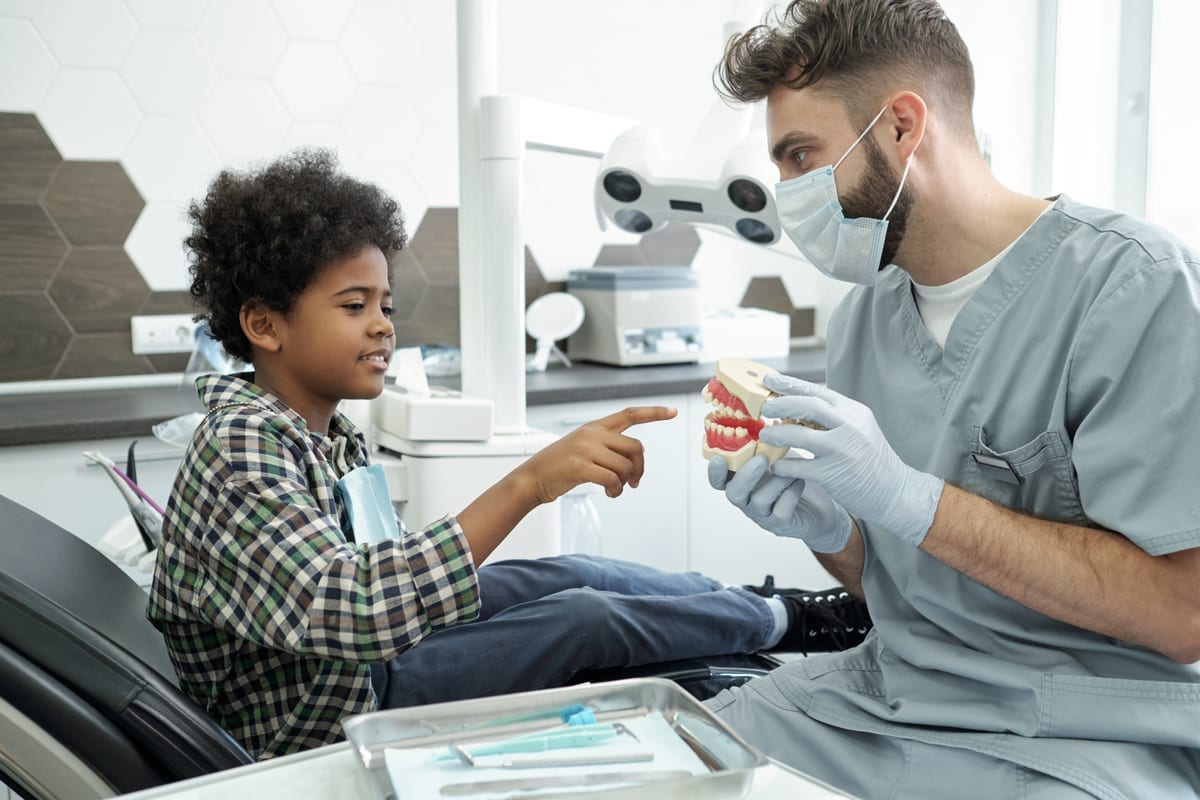
Most parents in Aurora, IL assume orthodontic care starts when a child loses all their baby teeth. That assumption causes many families to miss a critical window. Knowing when your child should see an orthodontist — and which signs parents miss early — can make a significant difference in treatment outcomes. At Young Dental Care, Dr. Bindi Patel helps families understand these timelines before small concerns become bigger problems.
The Recommended Age for a First Orthodontic Evaluation
The American Association of Orthodontists recommends a child’s first evaluation by age 7. At this age, the mouth has a mix of baby and permanent teeth. That combination gives a trained eye a clear picture of how the jaw and bite are developing. Many children show no issues at this stage — but the evaluation itself is still valuable.
Early evaluations are not about starting braces right away. They are about identifying potential problems before they worsen. Some alignment concerns are far easier to correct in a growing child. Acting early can reduce the complexity and duration of later treatment.
In Aurora, many families wait until middle school to think about orthodontics. By then, some developmental windows have already closed. A simple check at age 7 costs very little time and can save significant effort down the road.
What a Phase 1 Evaluation Actually Looks For in Aurora
Phase 1 orthodontic treatment refers to early intervention, typically between ages 6 and 10. Not every child needs it — but when it is needed, it targets specific structural concerns. A Phase 1 evaluation examines jaw width, bite alignment, and the eruption pattern of permanent teeth. It also assesses habits that can affect dental development.
During the evaluation, the provider looks for signs that the jaw is too narrow to accommodate incoming teeth. They also check whether the upper and lower jaws are growing in proportion. Bite problems like crossbites, underbites, or deep overbites are easier to address while bone is still forming. A growing jaw responds to guidance in ways an adult jaw simply cannot.
The goal of Phase 1 is not a perfect smile. It is creating the right conditions for healthy dental development. When it is done well, Phase 2 treatment — traditional braces or aligners — becomes shorter and more effective. Some children who receive Phase 1 care need less Phase 2 intervention overall.
Early Signs Parents Often Miss at Home
Parents are often the first to notice something unusual. The challenge is knowing which observations matter. Many early orthodontic signs appear subtle and easy to dismiss. Here are key warning signs to watch for in your child:
- Mouth breathing: Chronic mouth breathing can affect jaw development over time.
- Thumb sucking past age 4: Prolonged habits can push teeth and reshape the palate.
- Crowded or overlapping teeth: Visible crowding before all permanent teeth arrive signals a space issue.
- Difficulty chewing or biting: A child who avoids certain foods may be compensating for bite discomfort.
- Early or late loss of baby teeth: Either extreme can disrupt how permanent teeth erupt.
- Shifting jaw or clicking sounds: These may indicate jaw alignment issues worth evaluating.
- Asymmetrical facial appearance: One side of the face appearing different from the other can reflect jaw imbalance.
None of these signs mean your child definitely needs orthodontic treatment. But each one warrants a professional conversation. Bringing these observations to Dr. Patel at Young Dental Care gives you a clearer picture. A simple evaluation removes the guesswork.
How Preventive Dental Care Connects to Orthodontic Health
Orthodontic health does not exist in isolation. The foundation of a healthy smile starts with strong, cavity-free teeth and healthy gums. Preventive Dentistry plays an essential role in supporting proper dental development. When teeth are healthy and clean, eruption patterns are easier to monitor and manage.
Children who maintain regular dental visits are more likely to catch early alignment concerns on time. Their dentist can track changes across multiple visits and refer appropriately. That continuity of care matters enormously during ages 6 through 12. It allows parents and providers to act at the right moment — not too early, not too late.
Untreated dental problems can also complicate orthodontic outcomes. Decay or gum issues may require Restorative Dentistry before braces can begin. Addressing underlying health first protects the investment of orthodontic treatment. A healthy mouth is always the starting point.
In some cases, dental injuries can create urgency. A knocked-out or fractured tooth in a child may affect developing teeth nearby. Emergency Dentistry can address immediate damage and help minimize long-term developmental impact. Quick action after an injury preserves more options for the future.
What Aurora Parents Should Do Next
If your child is approaching age 7, now is the right time to schedule a dental evaluation. You do not need to wait for visible problems to appear. Many of the most impactful orthodontic interventions work precisely because they start before obvious issues emerge. Early action gives your child more options — and usually simpler ones.
Here is a simple action plan for Aurora parents:
- Schedule a comprehensive dental exam if your child has not had one recently.
- Note any habits like thumb sucking, mouth breathing, or difficulty chewing.
- Ask your dentist about your child’s bite and jaw development at the next visit.
- Request an orthodontic referral or evaluation if your dentist recommends one.
- Follow up annually so any changes are caught and addressed promptly.
Dr. Bindi Patel and the team at Young Dental Care in Aurora, IL are here to guide your family through every stage of dental development. We take a thorough, patient-centered approach to evaluating young smiles. Our goal is to give you the information you need — without pressure or confusion. Book Now to schedule your appointment with our team.
Frequently Asked Questions
At what age should my child first see an orthodontist?
The American Association of Orthodontists recommends an initial orthodontic evaluation by age 7. At this age, enough permanent teeth have erupted to allow a thorough assessment of bite and jaw development. Early evaluation does not always mean early treatment — but it identifies concerns at the most treatable stage.
What is Phase 1 orthodontic treatment and does my child need it?
Phase 1 orthodontic treatment is early intervention typically performed between ages 6 and 10. It targets specific structural problems like narrow palates, crossbites, or significant jaw imbalances. Not every child needs Phase 1 — a professional evaluation determines whether it would benefit your child’s long-term dental development.
Can I tell at home if my child might need orthodontic care?
Yes, parents can observe several early signs. Watch for crowded or overlapping teeth, mouth breathing, prolonged thumb sucking, jaw clicking, or difficulty chewing. These signs do not confirm the need for treatment, but they are worth discussing with your child’s dentist during a regular visit.
How does regular dental care relate to orthodontic health?
Preventive dental care creates the foundation for successful orthodontic treatment. Healthy, cavity-free teeth allow for more accurate monitoring of eruption patterns and bite development. Dentists who see your child regularly are also better positioned to catch alignment concerns early and refer for an orthodontic evaluation at the right time.
What happens if we wait too long for an orthodontic evaluation?
Waiting too long can close certain treatment windows that are only available during active jaw growth. Problems that are simple to correct at age 7 or 8 may require more complex intervention by the teenage years. Early evaluation does not commit you to immediate treatment — it simply keeps your child’s options open.