Pay Online
Preventive Dentistry Boulder Hill: Separating Myths from Facts
As graduation season approaches and families in Boulder Hill prepare for summer, dental health often takes a backseat to busy schedules. Many patients hold misconceptions about Preventive Dentistry Boulder Hill that can impact their oral health decisions. Understanding the truth behind common myths helps you make informed choices for your smile.
Dr. Bindi Patel at Young Dental Care believes patient education forms the foundation of excellent oral health. This guide addresses the most persistent myths about preventive dental care and reveals the facts that can transform your approach to maintaining healthy teeth and gums.
Preventive dentistry focuses on stopping dental problems before they start. Regular checkups, cleanings, and early intervention save you time, discomfort, and extensive treatments down the road. Let’s explore what’s true and what’s simply folklore when it comes to protecting your smile.
Myth: You Only Need to Visit the Dentist When Something Hurts
This misconception ranks among the most damaging to long-term oral health. Many Boulder Hill residents believe dental visits are only necessary when experiencing pain or obvious problems. The truth is quite different.
Pain often signals advanced dental disease. By the time you feel discomfort, tooth decay may have reached the inner pulp or gum disease may have progressed significantly. These conditions require more extensive treatment than they would have needed with early detection.
Preventive visits allow your dentist to identify issues in their earliest stages. Small cavities can be treated with simple fillings before they require root canals. Early gum inflammation responds to professional cleaning and improved home care before it advances to periodontitis.
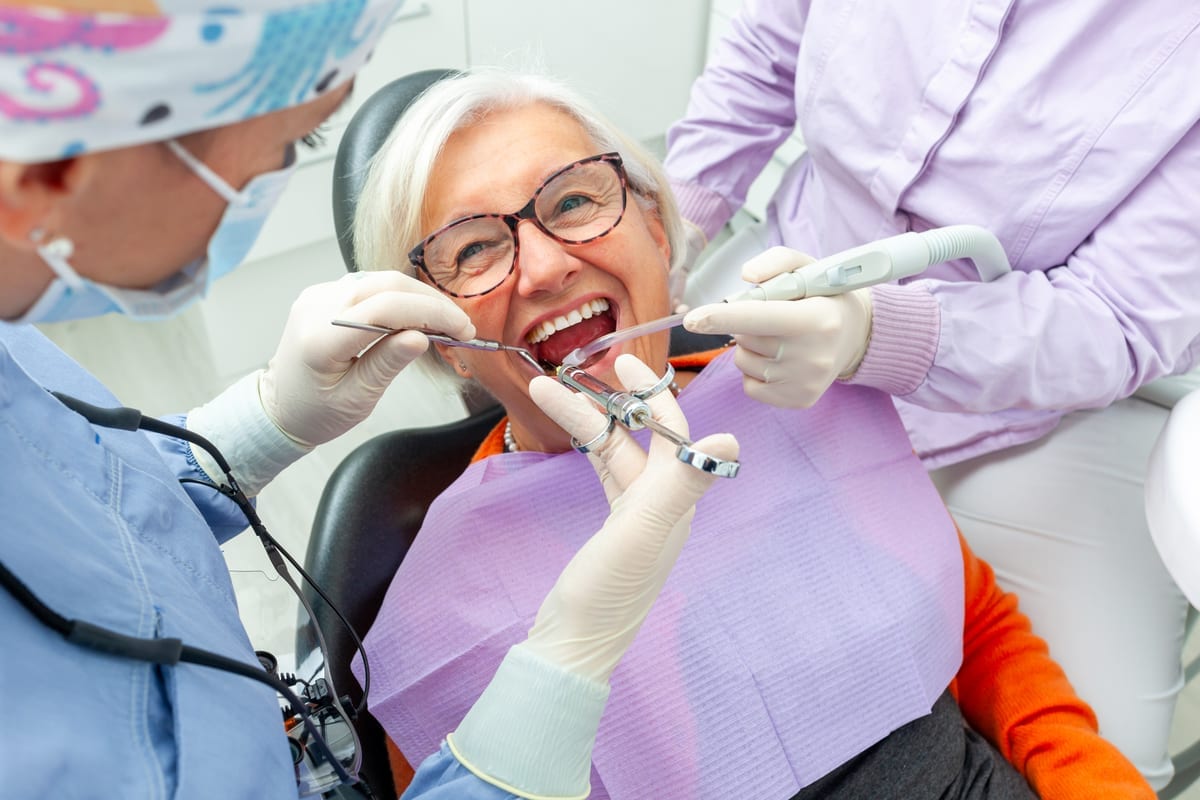
Regular checkups typically occur every six months. These visits include professional cleaning to remove tartar buildup that brushing alone cannot eliminate. Dr. Patel also performs comprehensive examinations to detect:
- Early signs of tooth decay between teeth or under old fillings
- Gum disease indicators like bleeding or pocket formation
- Oral cancer screening for abnormal tissue changes
- Bite problems or teeth grinding evidence
- Signs of systemic health issues that appear in the mouth
The late spring season provides an ideal time for families to schedule end-of-school cleanings. Getting preventive care now ensures dental health doesn’t interrupt summer plans with unexpected emergencies.
Myth: Brushing Harder Cleans Better
Many people believe scrubbing teeth vigorously removes more plaque and prevents cavities more effectively. This myth actually causes significant damage to tooth enamel and gum tissue.
Aggressive brushing wears away enamel over time. This protective outer layer cannot regenerate once lost. Exposed dentin underneath becomes sensitive to temperature and increases cavity risk. Hard brushing also damages gums, causing them to recede and expose tooth roots.
Proper brushing technique matters more than pressure. Use a soft-bristled toothbrush and gentle circular motions. Hold your brush at a 45-degree angle to your gum line. Let the bristles do the work rather than applying force.
Effective plaque removal requires:
- Two minutes of brushing twice daily
- Reaching all tooth surfaces including backs and chewing surfaces
- Gentle pressure that doesn’t blanch gum tissue
- A toothbrush replaced every three to four months
- Fluoride toothpaste to strengthen enamel
If you notice gum recession or tooth sensitivity, schedule a visit to discuss your brushing technique. Dr. Patel can demonstrate proper methods and recommend tools that protect your teeth while cleaning effectively.
Myth: Baby Teeth Don’t Matter Because They Fall Out Anyway
Parents sometimes neglect their children’s primary teeth under the false belief that these temporary teeth aren’t important. This myth can lead to serious consequences for developing smiles.
Primary teeth serve critical functions beyond chewing. They hold space for permanent teeth developing beneath the gums. When baby teeth are lost prematurely due to decay, neighboring teeth can shift into the gap. This creates crowding problems when adult teeth try to emerge.
Baby teeth also guide proper jaw development and help children learn clear speech patterns. Painful cavities in primary teeth affect eating, sleeping, and concentration at school. Infections in baby teeth can damage the permanent tooth buds forming underneath.
Preventive care for children includes:
- First dental visit by age one or when the first tooth erupts
- Fluoride treatments to strengthen developing enamel
- Dental sealants on permanent molars as they come in
- Regular cleanings every six months
- Education about proper brushing and healthy eating habits
Montgomery and Aurora families visiting Young Dental Care often ask about the right age to start preventive visits. Early childhood appointments establish positive dental experiences and catch problems while they’re still simple to treat. As graduation season reminds us how quickly children grow, investing in their dental health now pays dividends throughout their lives.
Myth: If Your Gums Bleed, You Should Avoid That Area
Bleeding gums cause many people to avoid brushing or flossing the affected areas. They fear causing more damage or worsening the bleeding. This response actually allows the problem to progress.
Bleeding gums signal inflammation, usually caused by plaque bacteria accumulating along the gum line. When you skip cleaning these areas, bacterial buildup increases. This leads to more inflammation, more bleeding, and eventually gum disease.
Healthy gums don’t bleed from normal brushing and flossing. If you notice bleeding, it means your gums need more attention, not less. Gentle, consistent cleaning removes the bacteria causing inflammation. Most cases of bleeding gums resolve within a week or two of improved oral hygiene.
However, persistent bleeding requires professional evaluation. Dr. Patel can assess whether you have gingivitis or more advanced periodontal disease. Professional cleaning removes hardened tartar that home care cannot eliminate. This allows gums to heal properly.
Warning signs that require a dental visit include:
- Bleeding that continues beyond two weeks of improved care
- Gums that appear red, swollen, or pull away from teeth
- Persistent bad breath despite brushing
- Loose teeth or changes in how your bite feels
- Pus between teeth and gums
The Midwest climate can sometimes contribute to dry mouth, which increases plaque accumulation. Staying hydrated and maintaining consistent oral hygiene becomes even more important during seasonal changes in Boulder Hill.
Myth: Sugar Is the Only Cause of Cavities
While sugar certainly contributes to tooth decay, blaming it exclusively oversimplifies cavity formation. This myth prevents people from addressing other important risk factors.
Cavities develop when bacteria in your mouth produce acid that erodes tooth enamel. These bacteria feed on all carbohydrates, not just sugar. Bread, crackers, pasta, and even healthy fruits contain carbs that bacteria metabolize into enamel-damaging acid.
Frequency of eating matters as much as what you eat. Each time you consume food or beverages other than water, your mouth becomes acidic for about 20 minutes. Constant snacking keeps your mouth in this acidic state all day. This continuous acid exposure increases cavity risk significantly.
Other cavity risk factors include:
- Dry mouth from medications or medical conditions
- Deep grooves in teeth that trap food and bacteria
- Genetic factors affecting enamel strength
- Acid reflux that bathes teeth in stomach acid
- Decreased saliva production as we age
Preventive strategies extend beyond reducing sugar intake. Drinking water throughout the day rinses away food particles and neutralizes acid. Chewing sugar-free gum after meals stimulates saliva production. Professional fluoride treatments strengthen enamel against acid attacks.
Understanding these factors helps you develop comprehensive prevention habits. The preventive services offered at Young Dental Care include personalized risk assessment and customized prevention plans based on your unique needs.
Building Your Preventive Dentistry Foundation in Boulder Hill
Now that we’ve addressed common myths, you can build an effective preventive dentistry routine. Knowledge empowers better decisions about your oral health and helps you avoid unnecessary dental problems.
Preventive Dentistry Boulder Hill encompasses more than just avoiding cavities. It includes protecting gum health, screening for oral diseases, and maintaining your overall wellbeing. Many systemic health conditions show early signs in the mouth. Regular dental visits contribute to your complete health picture.
As families in North Aurora and Prestbury prepare for summer activities, prioritizing preventive care ensures dental emergencies don’t disrupt your plans. Schedule checkups now before vacation season arrives in full swing. Mother’s Day also presents a thoughtful opportunity to gift dental care appointments to the special women in your life.
Dr. Patel and the team at Young Dental Care focus on education and early intervention. We believe informed patients make the best partners in maintaining optimal oral health. Our approach emphasizes understanding rather than fear, and prevention rather than emergency treatment.
Taking charge of your dental health starts with separating fact from fiction. Armed with accurate information, you can implement effective preventive strategies that keep your smile healthy for years to come. Book Now to schedule your appointment with our team.
Frequently Asked Questions
How often should I schedule preventive dental visits?
Most patients benefit from professional cleanings and examinations every six months. However, individuals with gum disease, high cavity risk, or certain health conditions may need more frequent visits. Dr. Patel creates personalized schedules based on your specific oral health needs and risk factors.
At what age should children start preventive dental care?
Children should have their first dental visit by age one or within six months of their first tooth erupting. Early visits establish a dental home, allow monitoring of development, and help children become comfortable with dental care. These early preventive appointments can prevent problems and build positive associations with dental visits.
Can preventive dentistry really save money in the long run?
Absolutely. Preventive care catches problems when they’re small and simple to treat. A small filling costs far less than a root canal and crown. Treating early gum disease with professional cleaning prevents expensive periodontal surgery later. Regular preventive visits represent a wise investment in your long-term oral and financial health.
What’s included in a typical preventive dentistry appointment?
A comprehensive preventive visit includes professional cleaning to remove plaque and tartar, polishing to remove surface stains, fluoride treatment to strengthen enamel, and a thorough examination of teeth, gums, and soft tissues. Dr. Patel also screens for oral cancer and discusses any concerns or changes in your oral health since your last visit.
Do adults really need fluoride treatments?
While often associated with children, fluoride benefits adults too. Professional fluoride treatments strengthen enamel and can reverse early decay. Adults with gum recession, dry mouth, frequent cavities, or weakened enamel particularly benefit from these treatments. They provide an extra layer of protection that toothpaste alone cannot achieve.