Pay Online

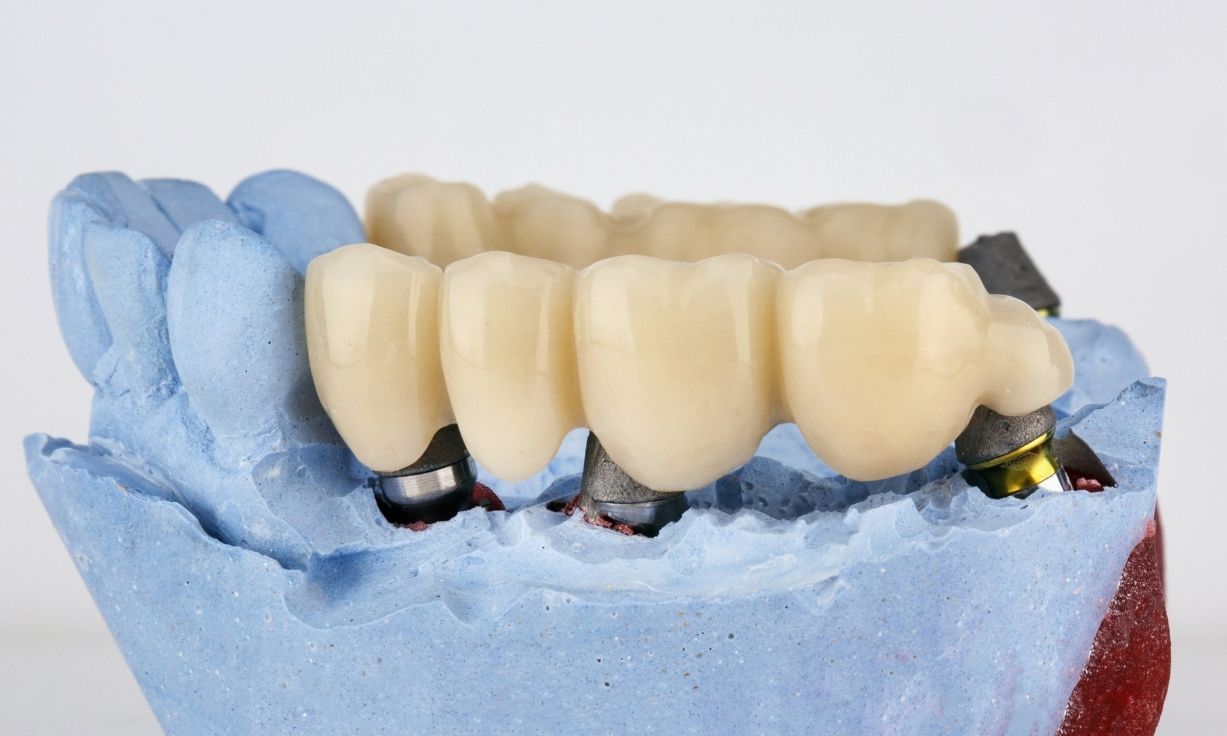
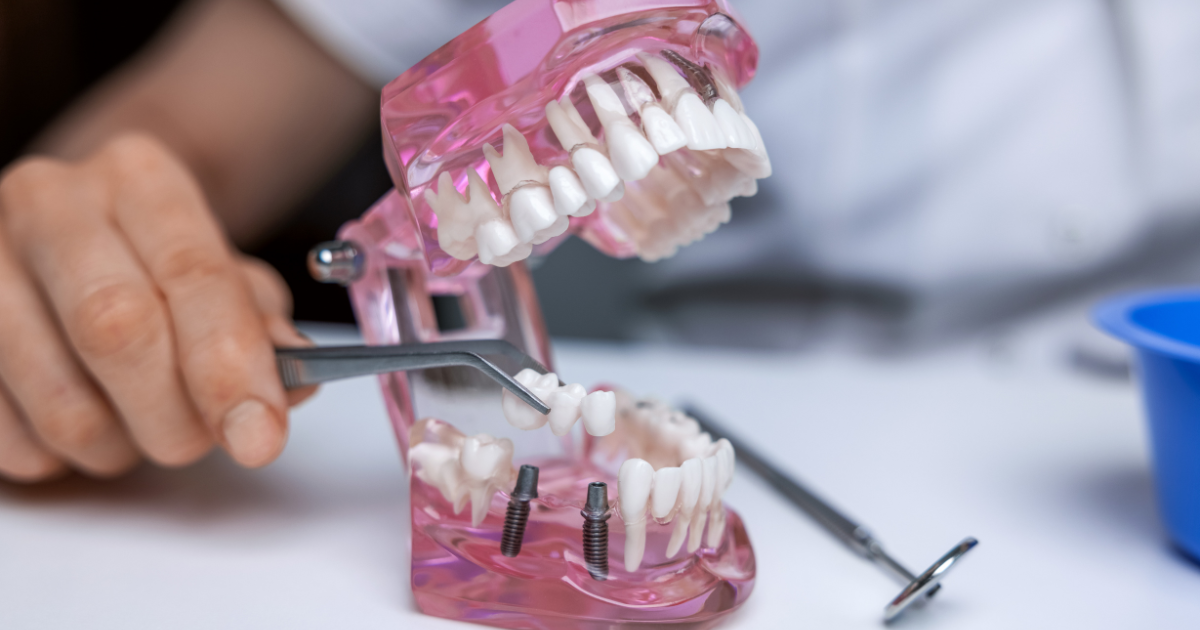
Have you recently had dental bridges placed and now find yourself wondering what you can eat while your mouth heals? You’re not alone! After getting bridges, choosing the right foods is essential to ensure a smooth recovery, protect your restoration, and promote overall oral health.
While it’s tempting to return to your regular eating habits, understanding what foods are safe and beneficial can make a huge difference in how well your bridges last. This guide will walk you through what you can eat, why it matters, and how to care for your bridges as you heal.
Why Eating the Right Foods Matters
Your diet plays a significant role in the healing process after getting dental bridges. Immediately after the procedure, your gums and the area surrounding your bridges may be tender or swollen, making certain foods uncomfortable or even damaging. Eating the right foods is crucial to avoid unnecessary pain, protect the integrity of your bridges, and promote faster healing.
For instance, foods that are too hard or crunchy can place pressure on your teeth bridges, potentially causing them to shift or even break. Similarly, foods that are sticky can cling to the restoration and lead to complications with cleaning. By sticking to soft, easy-to-eat foods, you’ll be providing your mouth with the best environment to heal while protecting your investment in your smile.
Moreover, maintaining a diet rich in nutrients supports the healing process by helping your gums regenerate, strengthening the supporting bone, and reducing inflammation. The right foods will help you feel comfortable while your bridges settle in place, making recovery a lot more pleasant.
Soft Foods You Can Eat
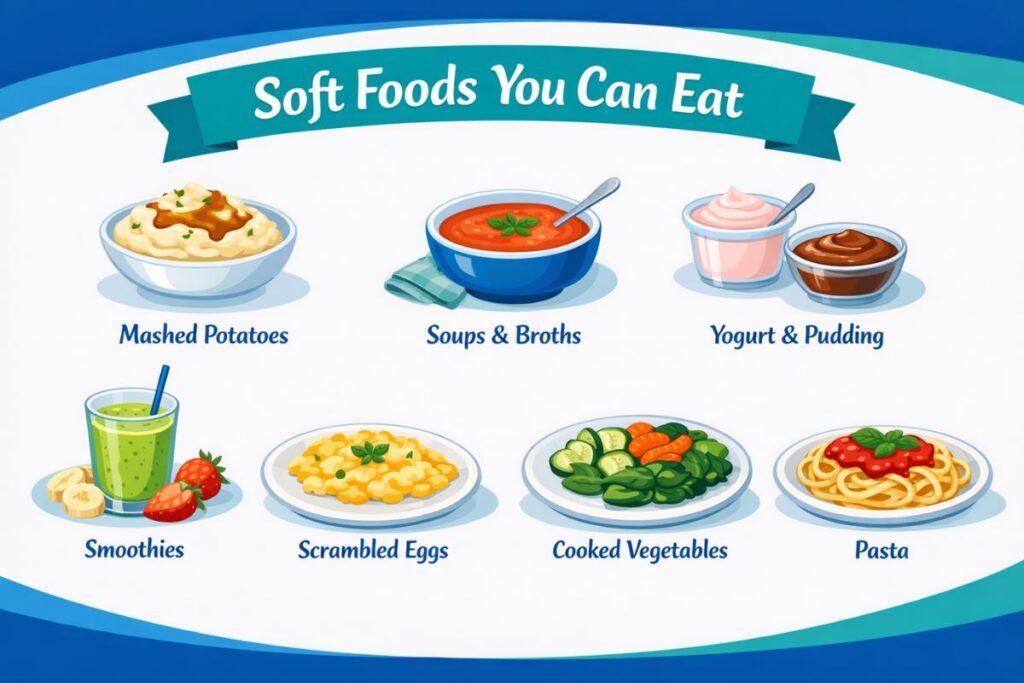
When you first get your dental bridges in Aurora, it’s important to choose soft foods that won’t irritate your gums or put stress on the bridges. Here are some great options to consider:
- Mashed Potatoes: Soft, comforting, and easy to chew, mashed potatoes are a great choice during recovery. You can even add some butter or gravy for extra flavor.
- Soups and Broths: Blended soups, like creamy tomato or potato leek, provide the nourishment you need while being gentle on your dental work. Just make sure they’re not too hot!
- Yogurt and Pudding: Smooth, cold foods like yogurt and pudding are soothing on your gums and help keep you hydrated. Plus, they provide essential nutrients.
- Smoothies: A perfect option for getting your fruits and vegetables in without chewing. Opt for smoothies that are not too acidic, as citrus can be a bit harsh on sensitive gums.
- Scrambled Eggs: Soft and high in protein, scrambled eggs are a great option for breakfast or a snack.
- Cooked Vegetables: Softly cooked vegetables like carrots, zucchini, and spinach are nutritious and easy to chew.
- Pasta: Soft pasta like macaroni, spaghetti, or ravioli is perfect for a satisfying meal without putting stress on your dental work.
These foods not only provide comfort but also aid in faster recovery by giving your gums and bridges the time they need to heal without unnecessary pressure.
Foods to Avoid
While there are plenty of foods you can enjoy after getting bridges, there are some that should be avoided to ensure a smooth recovery. Here’s a list of foods to steer clear of, at least for the first few weeks:
- Hard Foods: Foods like nuts, hard candy, and raw vegetables can put excessive pressure on your dental bridges and may cause them to shift or break.
- Crunchy Snacks: Popcorn, chips, and crackers are also best avoided as they can damage your bridges or get stuck in the gaps.
- Sticky Foods: Caramel, taffy, and chewing gum can stick to your dental bridges, making them harder to clean and potentially causing them to loosen.
- Chewy Meats: Tough meats like steak or jerky can be difficult to chew and may put stress on your dental bridges.
- Acidic Foods and Beverages: Citrus fruits, tomatoes, and vinegar-based foods may irritate your gums, which can be sensitive after the procedure. Similarly, drinks like soda and coffee can stain your bridges, affecting their appearance.
By avoiding these foods, you’ll reduce the risk of damaging your bridges and allow your mouth to heal in the best possible way.
Nutritional Tips for Healing
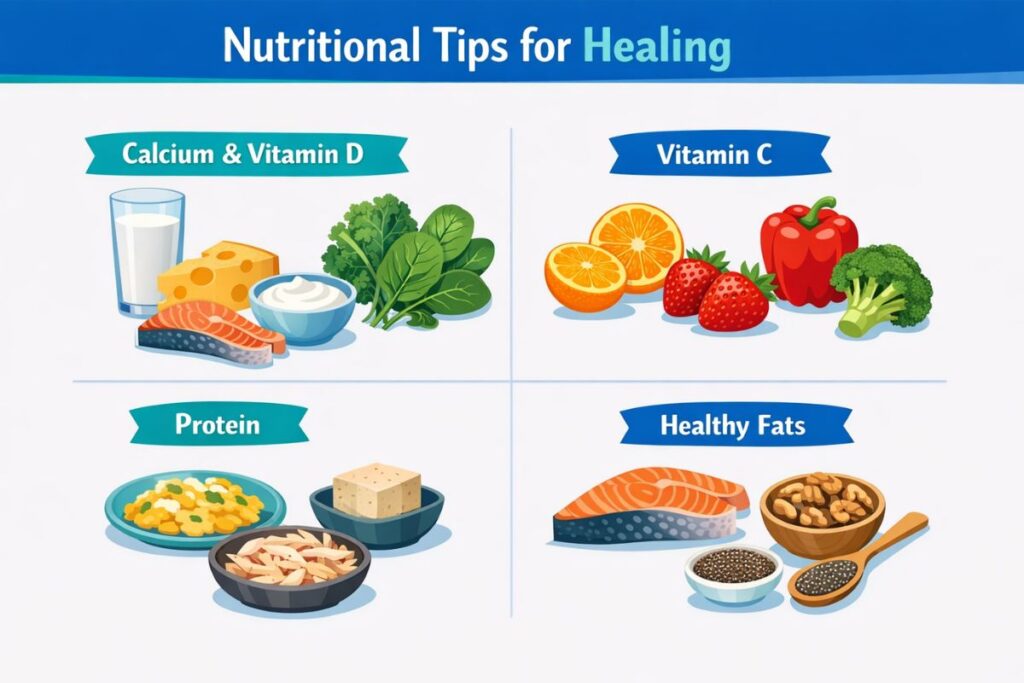
To support your healing process after getting dental bridges, it’s important to focus on foods that aid recovery and promote oral health. Here are some key nutrients to include in your post-procedure diet:
- Calcium and Vitamin D: These are crucial for bone health, which is important for the stability of your dental bridges. Dairy products like milk, cheese, and yogurt are excellent sources of calcium. Leafy greens, such as kale and spinach, are also high in calcium, and vitamin D can be found in fortified foods or fatty fish like salmon.
- Vitamin C: Vitamin C is essential for gum health and healing. It helps repair tissue and fight infection. You can get your daily dose of vitamin C from foods like citrus fruits, strawberries, bell peppers, and broccoli.
- Protein: Protein is essential for healing, and soft sources like scrambled eggs, tofu, and chicken (shredded or finely chopped) can provide the nutrients you need without being tough to chew.
- Healthy Fats: Omega-3 fatty acids can reduce inflammation and support the healing of your gums. Include foods like walnuts, chia seeds, and fatty fish in your diet.
Maintaining a balanced, nutrient-rich diet will not only help your bridges in Aurora settle properly but also keep your entire body healthy during recovery.
The Importance of Hydration
Staying hydrated is just as important as eating the right foods. Drinking plenty of water throughout the day will help your mouth stay moist, which promotes healing and keeps your gums comfortable. Dehydration can lead to dry mouth, which can increase the risk of plaque buildup around your dental bridges.
It’s also a good idea to avoid sugary or acidic drinks, such as soda, juice, and coffee. These can irritate your gums or stain your bridges, affecting both your comfort and the longevity of your dental work. Opt for water, herbal teas, and milk to keep your mouth hydrated and your bridges protected.
When Can You Return to Normal Eating Habits?
While your mouth heals, it’s best to continue with soft foods and avoid hard or chewy items for at least a few weeks. Depending on your healing process and the advice of your dentist, you should be able to gradually reintroduce normal foods.
For most people, soft foods can be eaten for the first 1-2 weeks, with a gradual return to normal eating after 3-4 weeks. However, it’s important to follow up with your dentist at Young Dental Care for personalized guidance on when it’s safe to resume normal eating.
Taking care of your bridges is an important part of ensuring their longevity and functionality. By eating the right foods, avoiding certain foods, and staying hydrated, you can help your mouth heal and protect your investment in your smile.
If you have any questions or concerns about your recovery process after getting dental bridges, don’t hesitate to contact us at Young Dental Care. Our team is here to guide you through every step of your recovery and ensure your dental work lasts for years to come. Schedule an appointment with us today to keep your smile healthy and beautiful!
People Also Ask
1. Can I drink coffee after getting dental bridges?
It’s best to avoid coffee in the first few days as it can stain your bridges. Stick to water or herbal tea instead.
2. Can I eat spicy food after getting bridges?
Spicy foods can irritate your gums while they are healing, so it’s best to avoid them until your mouth feels comfortable again.
3. Is it okay to eat soft fruits like bananas after getting dental bridges?
Yes, soft fruits like bananas are gentle on your and gums and are a good choice after your procedure.
4. How long do I need to avoid hard foods after getting dental bridges?
For the first 2-3 weeks, stick to soft foods. After that, you can gradually reintroduce harder foods as your mouth heals.
5. Can I eat dairy products after getting dental bridges?
Yes, dairy products like yogurt and cheese are good choices as they are soft and provide essential nutrients for healing.