Pay Online
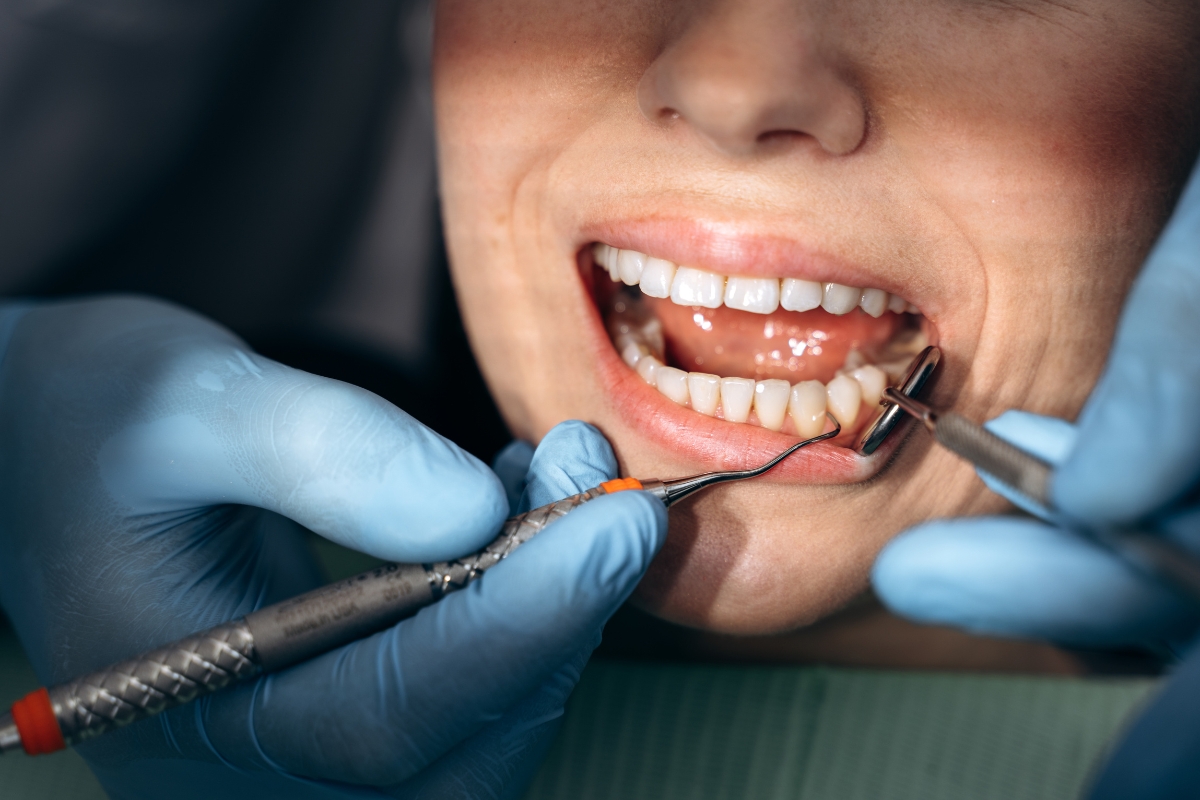
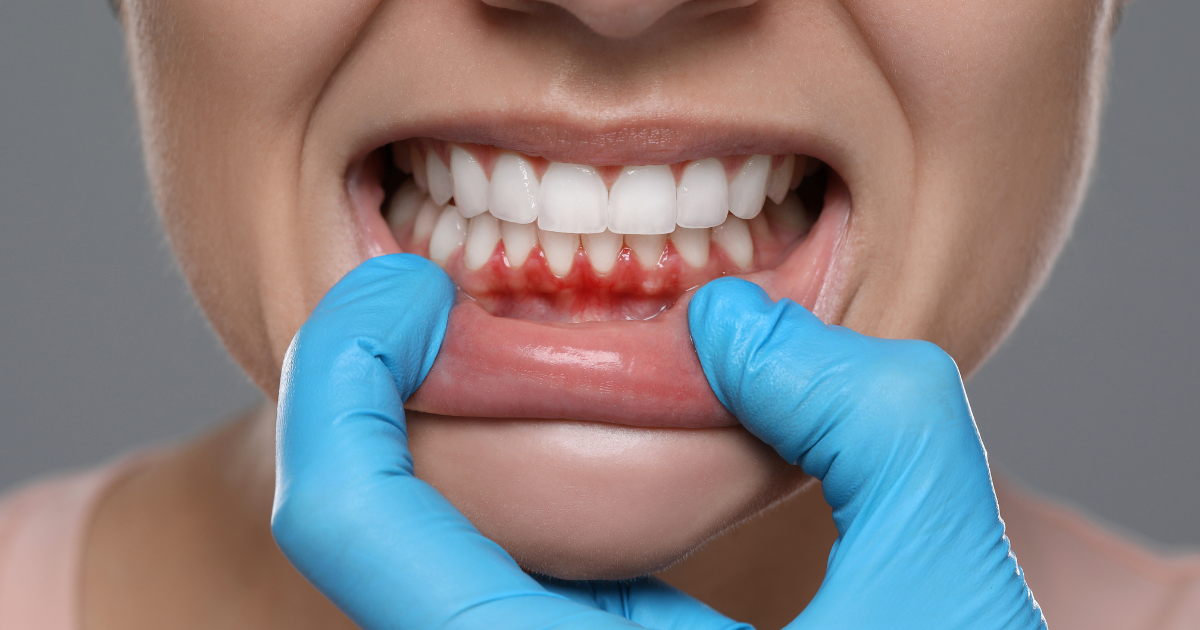
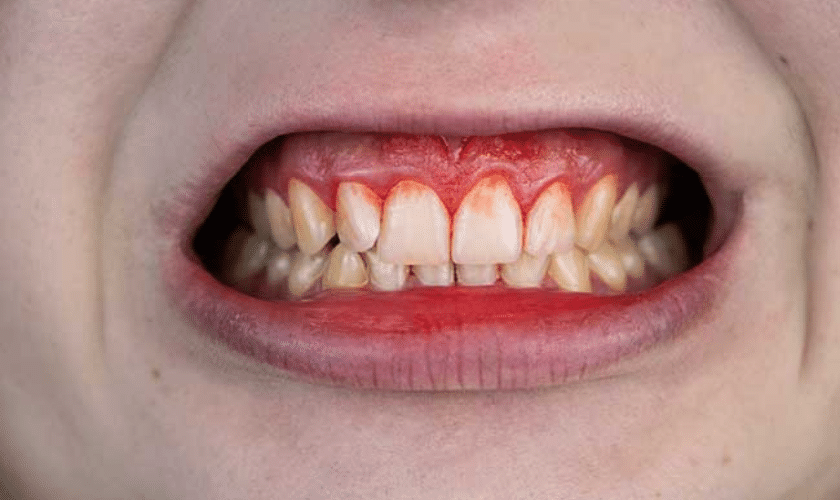
Many people experience gum disease without realizing it until it becomes a problem beyond bad breath. The habits you practice daily can have a significant impact on your oral health, even if you are noticing the first signs, such as gum redness or bleeding while brushing. In this blog, we explore the everyday habits that can accelerate the progression of gum disease and discover what you should avoid and what you must do to maintain a healthy smile.
The Role of Oral Hygiene in Gum Disease
Poor oral hygiene is a habit we all know harms our oral health, and disease often occurs. When you don’t brush and floss regularly, plaque, a sticky film of bacteria, builds up on your teeth and gums. Tartar is hardened plaque that can only be removed by a dentist. This buildup irritates the gums and leads to gingivitis, which is the earliest stage of gum disease.
- Brushing and Flossing: Make sure to brush your teeth at least twice a day and floss every day. Flossing gets food particles from between your teeth that your brush can’t reach.
- Skipping Routine Check-ups: If you’re not visiting your dentist for professional dental cleanings and check-ups, you’re at risk for gum disease. Routine checkups facilitate early diagnosis and timely management of issues.
If you have gum disease, don’t wait until it gets serious. You can stop the progression with professional gum disease treatment in Aurora, IL, and restore your health.
Smoking Plays a Significant Role in Gum Disease Progression
Cigarette smoking is another lifestyle factor that worsens gum disease. Because it may harm gum tissue and diminish blood flow to your gums, tobacco can make it harder for your gums to heal. Smokers are more likely to develop severe gum disease and lose their teeth. To boost gum health, you should quit smoking or get support to lessen its impact.
Diet and Nutrition: The Hidden Culprits
Your diet significantly affects the health of your gums. If you don’t have a good nutritional intake, particularly a lack of vitamin C, your immunity may weaken, and your gums may get infected. Sugar encourages the growth of harmful bacteria in your mouth, which also leads to gum disease.
- Eat a Balanced Diet: Eating nutritious food like fruits, vegetables, and lean proteins helps strengthen the gums. Therefore, eat a balanced diet.
- Limit Sugary Snacks: Cut back on sugary snacks to reduce plaque and cavities.
Stress: An Overlooked Factor in Gum Disease
Gum disease can be exacerbated by stress, which may seem an outrageous suggestion, but it is true. Heightened stress levels can weaken your immune system, making it harder for your body to fight infections, including gum disease. Your oral health can suffer from teeth grinding or poor eating habits, both of which are caused by stress.
How to Prevent Gum Disease Progression
To protect your gums from disease, follow these simple tips:
- Make flossing a habit.
- Give up smoking or get help if needed.
- Resume a healthy diet.
- Regular dental check-up and cleaning is a must.
If you notice signs of gum disease, such as bleeding gums or persistent bad breath, consult a periodontist. An effective gum disease treatment in Aurora, IL, will help you get back to good oral health and prevent damage.
Conclusion: Take Action Today for a Healthier Smile
Do not jeopardize your gum health with bad habits if you’re worried about gum disease and how it can get worse, and need gum disease treatment in Aurora, IL. Our team at Young Dental Care can help. Schedule an appointment with us today and learn how we can help keep your smile healthy for years to come.
FAQs
What are the initial indications of gum disease?
The early symptom of gum disease is red, swollen gums that can bleed while brushing. Take action quickly to stop progression.
Stress Might Lead to Gum Disease?
Stress most definitely weakens the immune system, making it harder for the body to fight off a gum infection.
Does smoking cause gum disease?
Although smoking is a key risk factor, gum disease also occurs due to a poor diet and oral hygiene.
How often can I get a dental check-up to avoid gum disease?
Make sure you see your dentist twice a year for cleanings and checkups.
Can gum disease be reversed?
In its early stages (gingivitis), gum disease can be reversed with proper treatment and oral hygiene. More advanced stages may require professional intervention.
What is the link between diet and gum disease?
A diet lacking essential vitamins, such as vitamin C, and high in sugar can weaken your gums and increase the risk of gum disease.
Can gum disease cause tooth loss?
Yes, untreated gum disease can lead to tooth loss by destroying the tissue and bone that support your teeth.