Pay Online

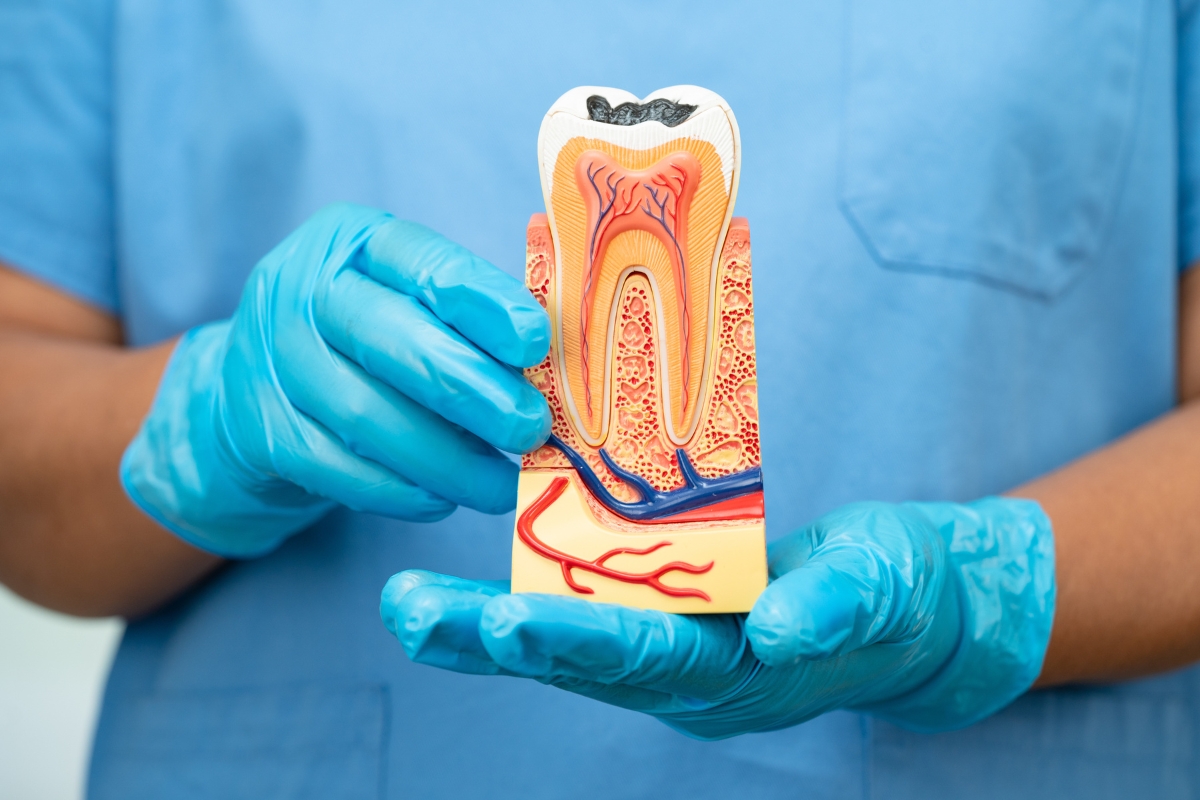
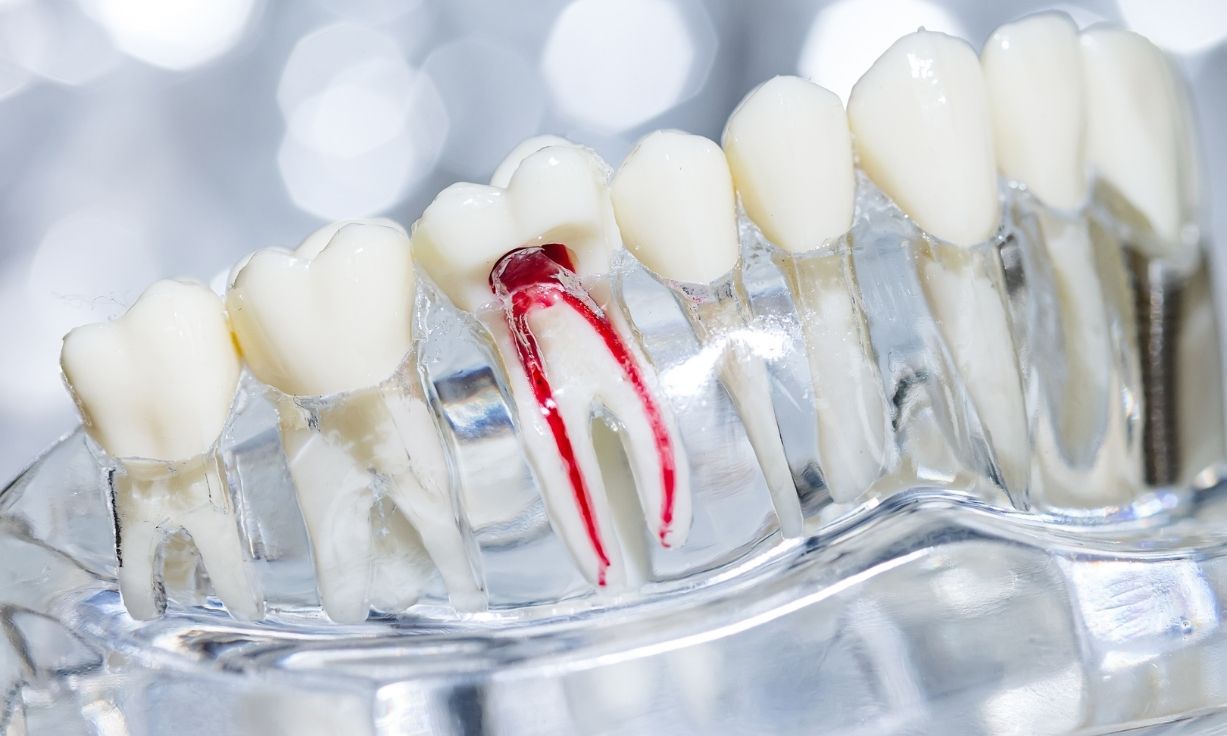
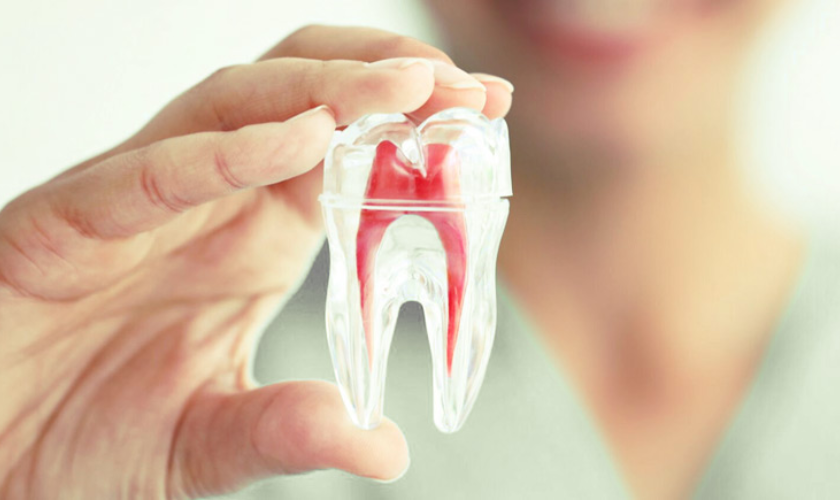
A root canal treatment is one of the most common dental procedures, performed to save a tooth that might otherwise need to be extracted. Many patients feel relief from infected tooth pain after the procedure. But some individuals think of mild discomfort or pressure later. Do not worry if you experience this. This guide explains possible reasons for lingering sensations and when to seek further care.
What Causes Pressure or Mild Pain After a Root Canal?
A root canal removes the infection from inside the tooth. But the healing process is not always immediate. You might still feel pressure or mild pain even after a successful treatment. Here are a few reasons for that:
- Healing Process: The surrounding tissues and bone need time to heal after a root canal treatment in Aurora, IL. This process can cause mild pain or pressure. This happens when you chew or push on the tooth.
- Post-Procedure Sensitivity: Patients sometimes feel sensitivity for a few weeks after the procedure. The tooth and the surrounding area are adjusting to the treatment.
- Clenching or Grinding: Bruxism (teeth grinding) or clenching puts heavy force on a treated tooth. This causes mild pain or pressure.
- Infection or Inflammation: In rare cases, the infection might not have fully healed. New bacteria might have entered the tooth. This causes pain or swelling in the area.
- Cracked Tooth: If the tooth has developed a crack, it can cause discomfort when pressure is applied, even after root canal treatment.
If you’re experiencing pain that persists beyond a few weeks or becomes more severe, it is essential to reach out to your dentist.
What Should You Do if You Feel Pain After a Root Canal?
- Visit Your Dentist for Assessment: Whenever you experience discomfort or pressure after a root canal, the best thing to do is to visit your dentist for an assessment. If needed, they can visually examine the tooth and take an X-ray to confirm whether a hidden problem is present.
- Consider Root Canal Retreatment: Sometimes a different root canal treatment is required to address the infection or inflammation that was not resolved during the initial procedure.
- Check for Cracked Crown: A dental crown after a root canal that is cracked or damaged may cause discomfort in the tooth. Hence, you may need a new crown.
Don’t Ignore Lingering Discomfort
If you have minor pain or pressure years after a root canal treatment in Aurora, IL, you don’t have to worry. Most causes are easily treatable, and it is best to address the issue as early as possible. By choosing to visit the Young Dental Care clinic, you are taking a step towards dental comfort and oral health maintenance. If you are in discomfort, do not hesitate to make an appointment with us for an in-person consultation and tailor-made treatments.
Schedule Your Appointment Today
If you’re experiencing discomfort after a root canal treatment in Aurora, IL, contact Young Dental Care. Our professional dental team is committed to your dental health and well-being. We will work with you to identify the cause of your pain and provide a solution tailored to your needs.
FAQs
Can a root canal fail years later?
Yes, a root canal can fail after several years due to recurrent infection or improper sealing.
Is mild pain normal after a root canal?
Usually, a patient may feel slight discomfort or sensitivity after a root canal, lasting for a few weeks. However, if the pain persists, it is advisable to have a dentist examine it.
What are the signs of a failed root canal?
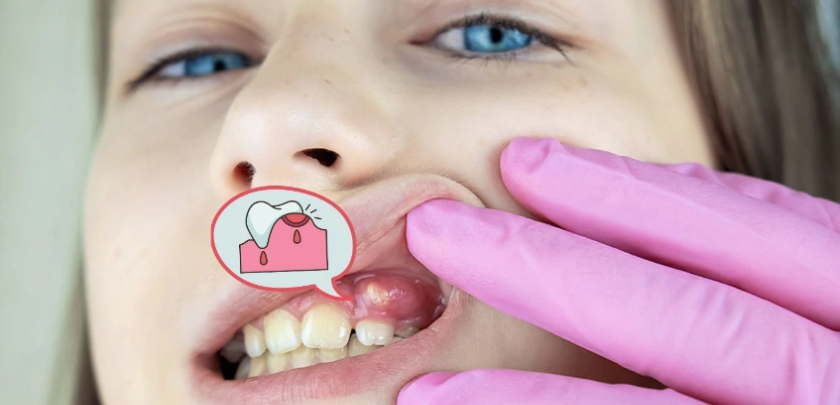
The signs include constant pain, swelling, and tenderness while chewing, as well as a pimple-like bump forming near the treated tooth.
Can a cracked tooth cause pain after a root canal?
Sure, a cracked tooth will definitely cause discomfort even after a root canal, and you may need further treatment.
How can I relieve pressure after a root canal?
Pain-relieving medication, a warm compress, and avoiding hard foods can all help with this. Still, it is better to check with your dentist if you have any other concerns.
Why does my root canal tooth feel sensitive?
The root canal procedure may result in sensitivity to the treated tooth; however, this should subside as the tissue heals. If the sensitivity continues for a long time, it may require a further check-up.
How long should a root canal last?
A root canal will remain effective for many years if good dental hygiene is maintained; however, the tooth may need to be retreated or crowned as it gets older.